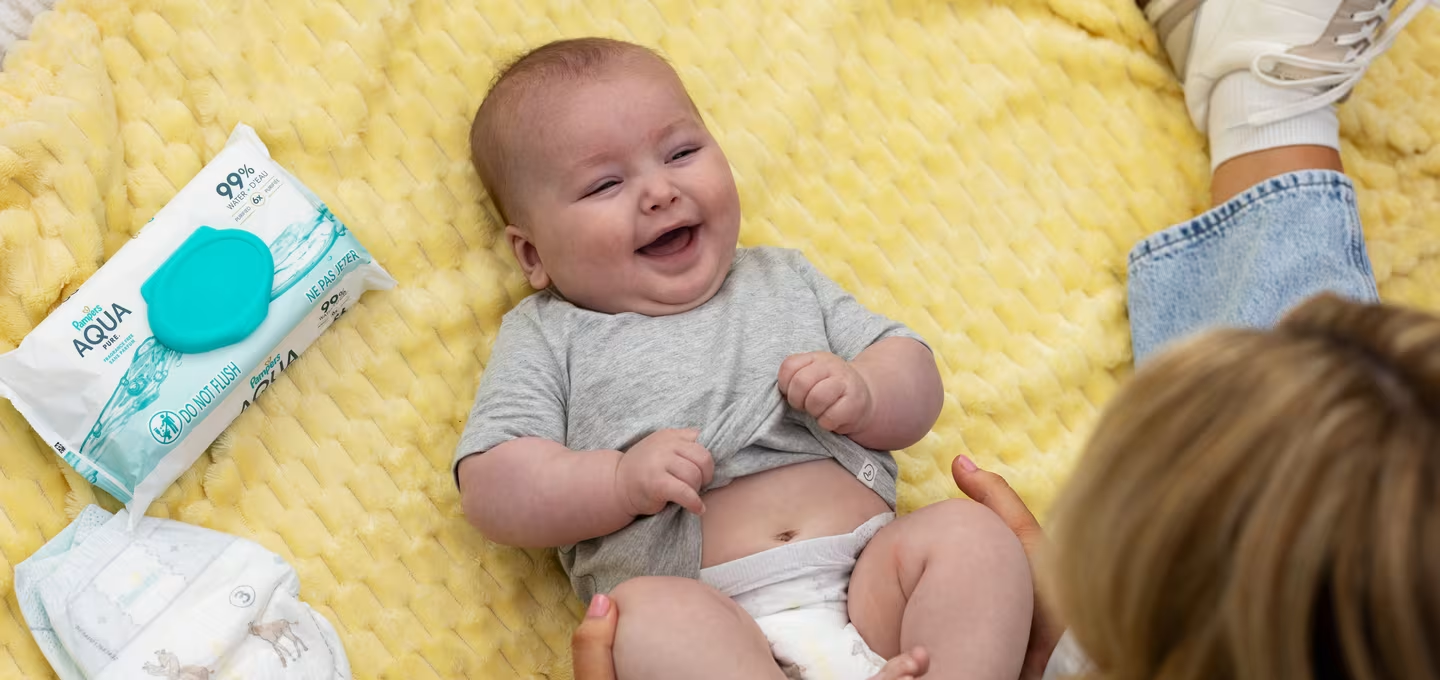
Pampers Baby Diaper Size Chart Guide

Key Takeaways
Choosing the right diaper size can make a big difference in your baby’s comfort—and help prevent leaks. A reliable diaper size chart by weight is the best place to start, since diaper sizes are based on weight, not age.
Still, every baby is unique. Along with checking your baby’s weight, look at how the diaper fits around the waist and legs. A good fit should feel snug without leaving red marks.
Here’s a quick look at Pampers diaper sizes:
In this guide, you’ll find a full diaper size chart, tips for getting the right fit, and how many diapers you may need at each stage.
Diaper Sizes Explained: A Simple Guide
Understanding diaper sizes, simply explained, starts with one key point: always use a diaper size chart by weight, not age.
You may come across a diaper size chart by age, but babies grow at different rates. One 3-month-old might still wear newborn diapers, while another may already be in size 2.
That’s why weight is the most accurate way to choose.
To make things easier, we’ve also addressed two common questions:
Pampers Diaper Size Chart by Weight
A diaper size chart by weight helps you find the best fit for your baby at every stage.
Here’s how to use this diaper weight chart:
Keep reading to learn more about finding the perfect fit, when to size up in diapers, and which Pampers diaper is best for your baby’s needs. Plus, pick up tips on preventing leaks and blowouts to ensure a more comfortable diapering experience.
In Summary
Choose diaper sizes by weight, not age
Expect to size up frequently in the first year
Check fit regularly to prevent leaks.
Diaper Size Calculator: Find the Right Fit for Your Baby
Find your baby’s ideal fit with the My Perfect Fit tool.
Pampers Diapers by Size and Benefits
Choosing the right diaper isn’t just about brand—it’s about finding the right diaper sizes by weight and the best fit for your baby’s stage and needs. With so many options available, many parents wonder, “What are the best Pampers diapers?” or even “What are the best Pampers for newborns?” when starting out.
Our reliable diaper size chart guide can help you compare options at a glance, from some of the best diapers for newborns to more active diapers made for babies who are always on the move. Understanding sizing and features can make all the difference.
You’ll also find helpful comparisons, including Pampers Swaddlers sizing, which you may find useful to understand sizing from newborn weights through larger sizes.
Not sure where to begin? Start with your baby’s stage—newborn, overnight needs, or active movement—and then compare sizes and features below.
Everyday Diapers
Best diapers for: Newborns and everyday comfort
Why choose these? Ideal if you’re choosing your first diaper or following a newborn diaper size chart. Perfect if you need reliable everyday protection and comfort for delicate skin.
Diapers for Overnight Protection
Best for: Longer sleep stretches and fewer nighttime changes
Why choose these? Helpful if you’re experiencing leaks overnight—even when using the correct diaper sizes by weight.
Diapers for Active Babies
Best for: Active babies who are crawling, standing, or walking
Why choose these? If your baby is constantly moving, these help maintain a secure fit across diaper sizes.
Potty Training Pants
Best for: Toddlers learning independence
Diapers for Special Use
Best for: Specific situations
Discover more about the best Pampers diapers for all your baby’s needs and stages.
Newborn Diapers
When your baby arrives, the right diaper can help keep them comfortable and dry.
Newborn diaper size (Size N) fits babies up to 10 pounds.
Newborns may use up to 10 diapers per day, so it helps to be prepared.
If your baby is born smaller, Pampers also offers three different preemie sizes, providing a snug and protective fit for even the tiniest of babies.
Many babies outgrow newborn size within the first month, but every baby grows at their own pace.
For more help, explore our guides:
How Should a Diaper Fit?
Every baby is unique, so how a diaper fits will depend on your little one’s shape as well as their weight. If you’ve ever wondered how a diaper is supposed to fit, you’re not alone—getting the right fit is key to keeping your baby comfortable and helping prevent leaks.
Using weight ranges is one of the most reliable ways to achieve a proper diaper fit—rather than choosing a diaper size by age or gender.
Because weight ranges can overlap, you may sometimes find yourself choosing between two sizes. In those cases, it’s helpful to know how to tell if a diaper is too big or too small, so you can decide which size offers the best fit for your baby.
Here’s our simple diaper fit guide to show how a diaper is supposed to fit on your baby:
By paying attention to how a diaper should fit on a baby, you’ll help prevent leaks, reduce the chance of blowouts, and make sure your baby stays comfortable throughout the day.
Why the Right Size Matters
When your little one wears the correct diaper size, everything just works better. Choosing the right diaper size and fit helps keep your baby dry, comfortable, and protected from leaks and blowouts.
Here are a few possibilities if the fit isn’t right:
By choosing the correct size from the Pampers diaper weight chart, you’re more likely to have the right fit diapers that help keep your little one dry, clean, and comfortable day and night.
When to Size Up Diapers
Beyond weight changes, there are several clear signs to help you know when to size up in diapers. Choosing the right fit for diapers is about comfort as much as it is about preventing leaks. If you’re wondering how to know when to size up in diapers or how to tell if a diaper is too small, watch for these signals:
These cues can help you decide whether it’s time to size up. Paying attention to the fit means fewer leaks and a more comfortable experience for your little one.
If you’re still unsure about when to size up diapers, our dedicated guide may help.

How Many Diapers in Each Size Will You Need?
Wondering, “How many of each size diaper do I need?” or “How many diapers do I need for a newborn?” On average, newborns go through up to 10 diapers per day. That adds up to nearly 70 diapers per week—or around 280 diapers in the first month alone.
Every baby is different, though, and diaper usage will change over time. Here’s a realistic way to think about how many diapers per size you might need:
Using our diaper size chart, which aligns sizes with weight ranges, can help you estimate how many diaper sizes you'll need as your baby grows.
Estimating how many diapers per day by age, tracking how many come in each pack, and swapping sizes gradually keeps you prepared without overstocking.
Pro tip
Download the Pampers Rewards app to earn Pampers Cash, every 10 scans you earn a $10 reward. You’ll unlock digital coupons, exclusive offers, and rewards that make stocking up on the right size a little easier on your budget.
FAQS AT A GLANCE
Pampers offers a wide range of diaper sizes to suit every stage: P (preemie), N (newborn), 1, 2, 3, 4, 5, 6, 7, and 8. Our Pampers diaper size chart helps you compare options and find the best size for your baby’s weight.
The Bottom Line
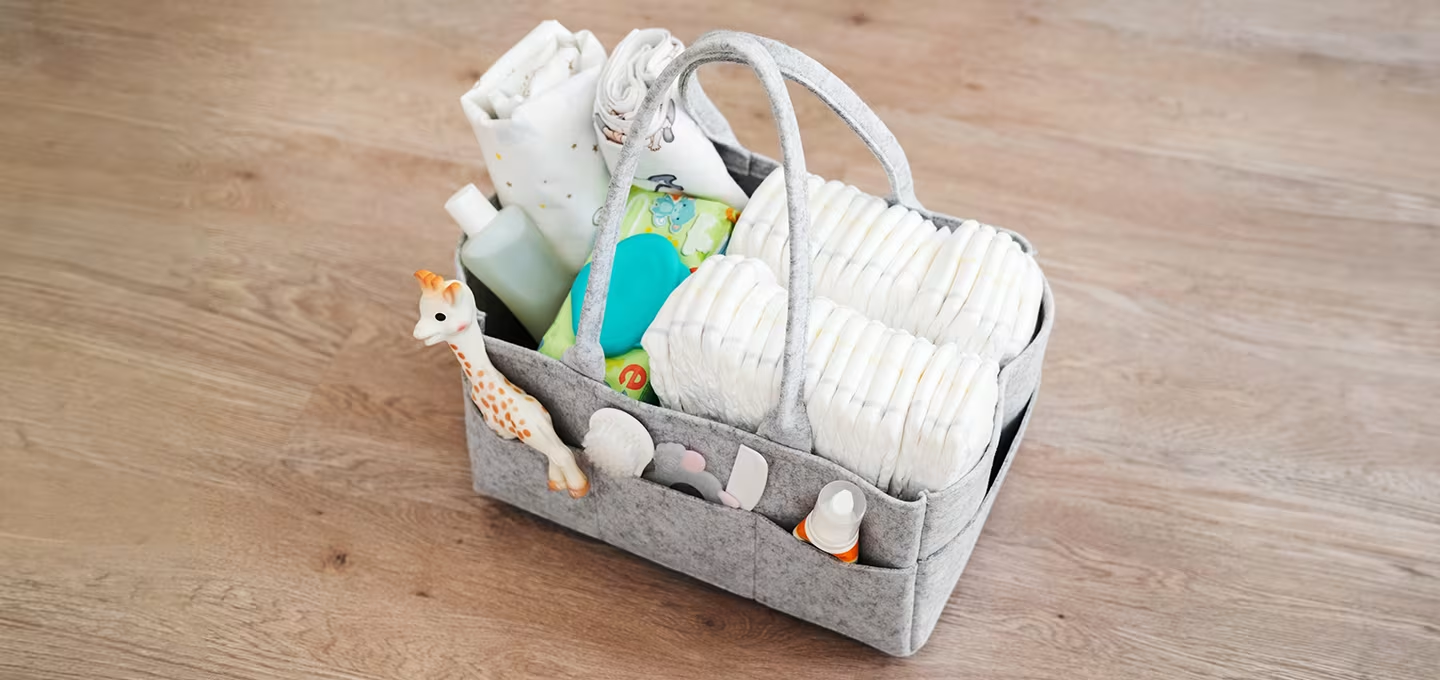
Once you’ve used the Pampers diaper size chart to find the right fit and learned how to change a diaper like a pro, selecting the right diaper size will be effortless. A properly fitting diaper keeps your baby comfortable, while also reducing the chances of leaks and blowouts. Even with the best fit, accidents can happen, so stay prepared with our diaper bag checklist for all situations.
And don’t forget to treat yourself! By using the Pampers Rewards App, you can earn rewards and exclusive offers on your diaper purchases, making every diaper change a little more rewarding.
Read more about Baby


Join a World of Support
through Pregnancy and Parenthood.
TRACK WITH TOOLS
LEARN WITH EXPERTS
GET REWARDED




Where You Already Belong