
Caffeine and Breastfeeding


You may be worried that drinking coffee or tea while breastfeeding could have a negative effect on your baby. The good news is that most women can still enjoy their favorite caffeinated beverages when nursing their little one. Read on to discover how much caffeine is safe to consume while breastfeeding, and what effects too much caffeine can have on your baby.
How Much Caffeine Can You Have While Breastfeeding?
In easy-to-remember terms, you can probably have up to two or three 8-ounce cups of coffee or five to six 8-ounce cups of black tea per day.
While nursing your baby, it’s generally considered safe to consume about 300 milligrams of caffeine a day. Keep in mind that caffeine isn’t found only in your regular cup of java or chai but also in many other drinks, as well as in certain foods and medications, including:
Does Caffeine Affect Your Breastfeeding Baby?
Moderate caffeine consumption by the mom generally doesn’t affect her breastfed baby. However, each little one is unique, so it could be that your baby is affected.
Babies born prematurely and infants who are younger than 6 months old break down caffeine more slowly, which means they may be more likely to be affected by the mom’s caffeine consumption than older babies.
If you’re concerned that your caffeine consumption may be affecting your baby, ask your healthcare provider for personalized advice.
What Are the Effects of Caffeine on Your Breastfeeding Baby?
If you're nursing and consume excessive amounts of caffeine (for example, 10 or more cups of coffee per day), your baby might have certain reactions, including:

What Should You Do If Your Baby Reacts to Caffeine in Breast Milk?
If you think your baby may be reacting to your caffeine intake, it’s a good idea to try reducing the amount you consume each day or to give up caffeine for a few weeks so that it clears your system. But there’s no need to give up breastfeeding in the meantime.
You'll want to eliminate caffeine from your diet gradually—giving up caffeine immediately can result in your experiencing headaches.
Consult your baby’s healthcare provider for guidance if you suspect your baby may be negatively affected by your caffeine intake or if you have any other questions about breastfeeding your baby.
How Much Caffeine Passes to Your Baby Through Breast Milk?
In fact, very little: Less than 1 percent of the caffeine you ingest passes onto your baby through breast milk. For example, if you drink three cups of coffee spread out over the course of a day while nursing your baby, there would be almost no caffeine detected in your baby’s urine.
What Drinks Contain Caffeine and in What Quantity?
| Beverage | Serving size (ounces) | Caffeine (milligrams) |
|---|---|---|
| Brewed coffee | 8 | 95-190 |
| Brewed decaf coffee | 8 | 2-5 |
| Espresso | 1 | 47-75 |
| Instant coffee | 8 | 27-135 |
| Black tea | 8 | 30-80 |
| Decaf black tea | 8 | 2-5 |
| Green tea | 8 | 28 |
| Cola | 12 | 34 |
| Diet cola | 12 | 46 |
| Energy drink | 8 | 75 |
| Energy shot | 2 | 200 |
Remember, for most women it’s considered safe to consume up to about 300 milligrams of caffeine per day while nursing their baby, which would mean you’d be within the safe limits if you were to have, say, one coffee and one black tea a day. Reach out to your baby's or your own healthcare provider if you have any questions or concerns.
The Bottom Line
If you’re a coffee or tea lover, it's good to know how to safely consume drinks or foods with caffeine when breastfeeding, and to be sure you’re ingesting moderate amounts and sticking within the daily recommended limit.
If you’re ever worried about how much caffeine you’re drinking and the effects of caffeine on your baby, talk to your baby’s healthcare provider for guidance.
- La Leche League: Caffeine
- CDC: Maternal Diet
- Healthy Children: Alcohol & Breast Milk
- Mayo Clinic: Caffeine
- Book: Mayo Clinic: Guide to a Healthy Pregnancy

How to Increase Milk Supply: Diet and Low Supply Causes
Struggling with low milk supply? Discover what to eat to increase breast milk and explore common causes behind low supply with expert-backed guidance.
Read more
Breastfeeding Tips to Support Your Journey
For some new parents, it can be hard to get started with breastfeeding, but these tips and positions can help you and your baby get the hang of it.
Read more
Breastfeeding Positions: Best Holds for Comfort, Latch, & Bonding
Learn the best breastfeeding positions for newborns and beyond, tips to avoid pain, and how proper holds support a healthy latch and comfortable feeding.
Read more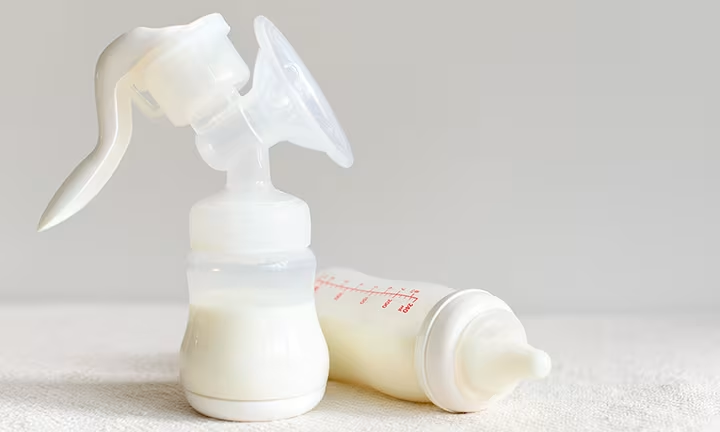
Power Pumping to Increase Your Breast Milk Supply
By Christopher B. Peltier
For nursing moms desiring more output, power pumping is a proven strategy. Learn the best power pumping schedule to optimize lactation effectively.
Read more
10 Fascinating Things About Breastfeeding You Might Not Know
Did you know that breast milk not only nourishes your baby, but also has antibodies which can help fight infections? Read more fascinating facts about breast milk you might not know.
Read more
How a Lactation Consultant Can Help You
Lactation consultants help mothers prevent and solve breastfeeding issues such as sore nipples or low milk supply. Find out how they can support your needs.
Read more
5 Tips for Breastfeeding in Public
If you’re thinking about breastfeeding your baby in public, here are some tips to get prepared, how to do it comfortably, and what to bring with you.
Read more
When to Wean a Baby Off Breastmilk
By Christopher B. Peltier
Weaning from breastfeeding is a gradual process. Learn when and how to wean, signs your baby is ready, and tips for a smooth transition for both of you.
Read more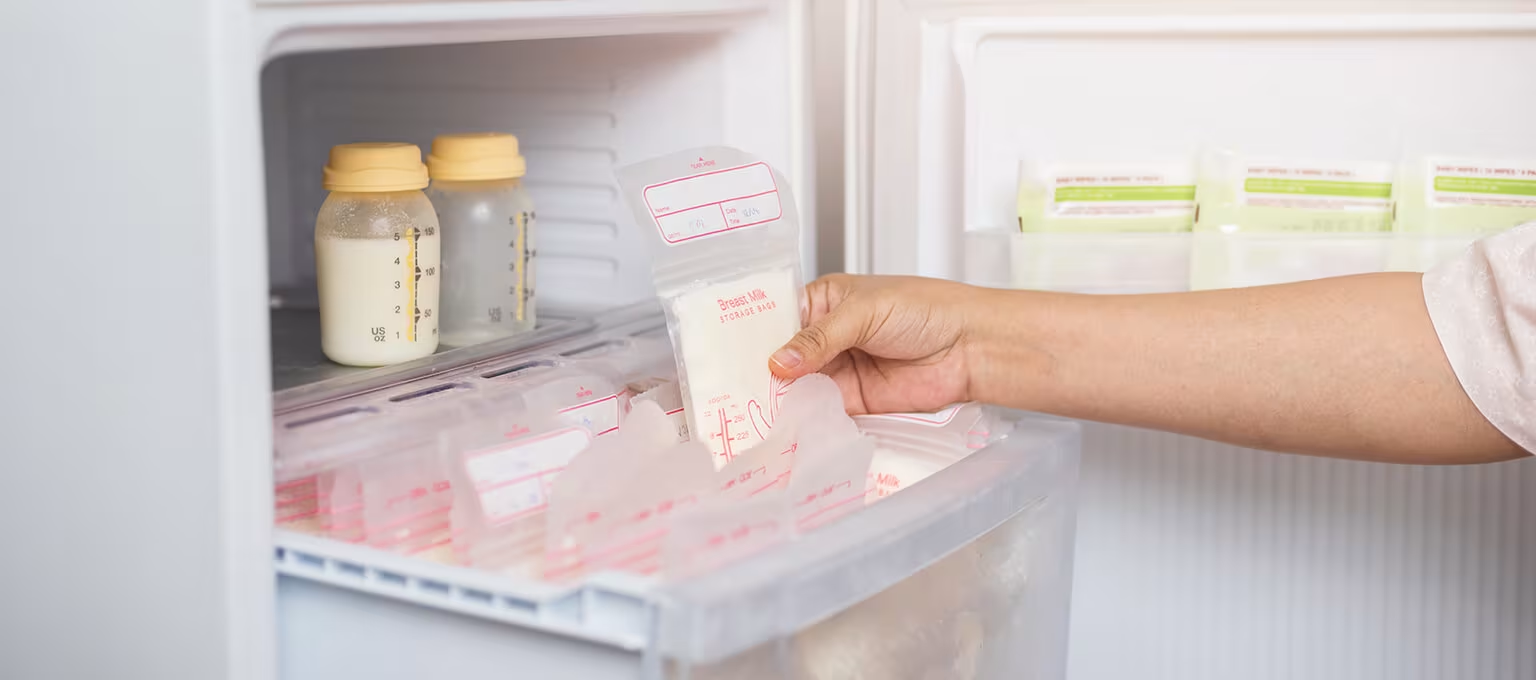
How to Store Breast Milk: All About Proper Storage
Discover safe storage tips to extend breast milk shelf life. Learn how to defrost and reheat pumped milk accurately for your baby's needs.
Read more
Breast Engorgement: What it Is, its Symptoms, Treatment, and More
Sometimes your breasts can become engorged and uncomfortable as they fill up with milk. Find out more about the symptoms and treatment for breast engorgement.
Read moreHow to Increase Milk Supply: Diet and Low Supply Causes
Struggling with low milk supply? Discover what to eat to increase breast milk and explore common causes behind low supply with expert-backed guidance.
Read moreBreastfeeding Tips to Support Your Journey
For some new parents, it can be hard to get started with breastfeeding, but these tips and positions can help you and your baby get the hang of it.
Read moreBreastfeeding Positions: Best Holds for Comfort, Latch, & Bonding
Learn the best breastfeeding positions for newborns and beyond, tips to avoid pain, and how proper holds support a healthy latch and comfortable feeding.
Read morePower Pumping to Increase Your Breast Milk Supply
By Christopher B. Peltier
For nursing moms desiring more output, power pumping is a proven strategy. Learn the best power pumping schedule to optimize lactation effectively.
Read more10 Fascinating Things About Breastfeeding You Might Not Know
Did you know that breast milk not only nourishes your baby, but also has antibodies which can help fight infections? Read more fascinating facts about breast milk you might not know.
Read moreHow a Lactation Consultant Can Help You
Lactation consultants help mothers prevent and solve breastfeeding issues such as sore nipples or low milk supply. Find out how they can support your needs.
Read more5 Tips for Breastfeeding in Public
If you’re thinking about breastfeeding your baby in public, here are some tips to get prepared, how to do it comfortably, and what to bring with you.
Read moreWhen to Wean a Baby Off Breastmilk
By Christopher B. Peltier
Weaning from breastfeeding is a gradual process. Learn when and how to wean, signs your baby is ready, and tips for a smooth transition for both of you.
Read moreJoin a World of Support
through Pregnancy and Parenthood.
TRACK WITH TOOLS
LEARN WITH EXPERTS
GET REWARDED




Where You Already Belong