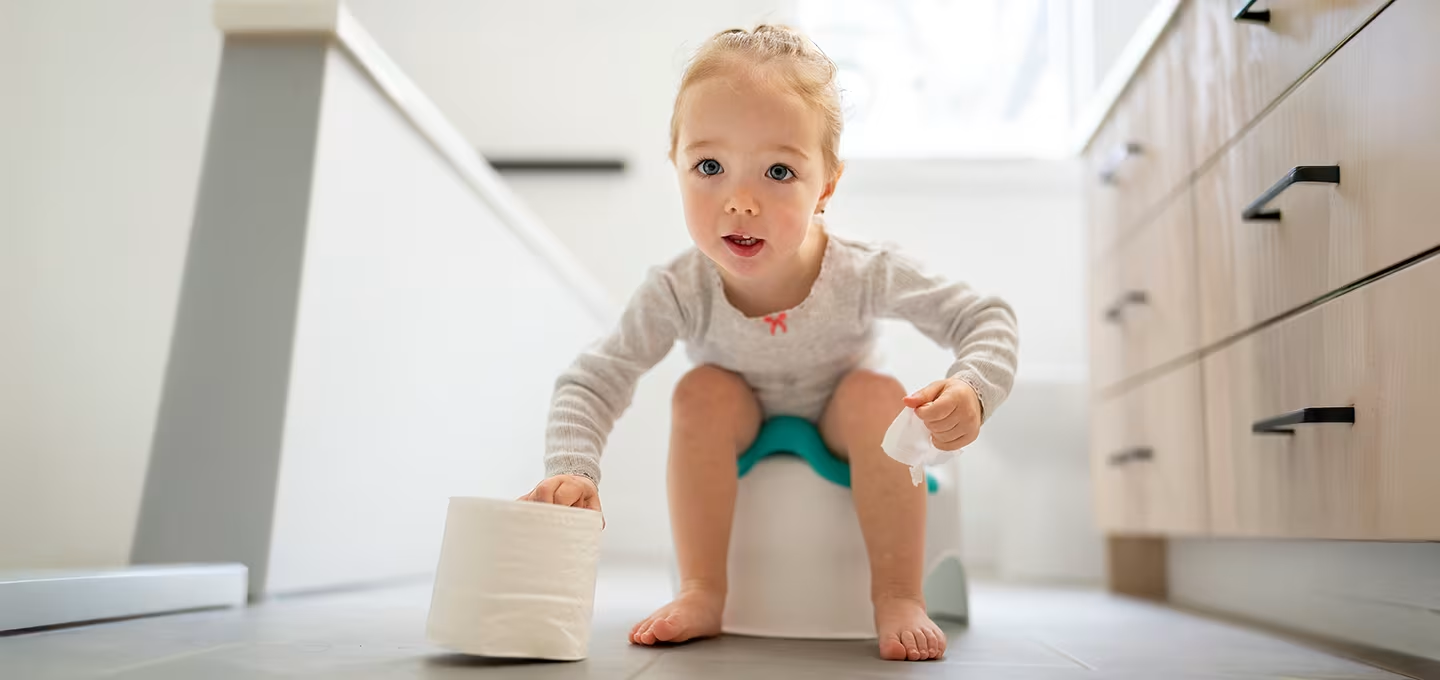
When to Start Potty Training: 7 Signs Your Child Is Ready

Wondering when to start potty training? While most toddlers are ready between 2 and 3 years old, the best time depends less on age and more on your child’s unique development. According to pediatric experts, the ideal moment is when your child shows interest in using the toilet, can follow simple directions, stays dry for longer periods, and starts to recognize when they need to go.
Potty training too early—before your child is ready—can lead to frustration and delay the process. Look for key signs of physical, emotional, and cognitive readiness before diving in. And remember, every child develops at their own pace.
Key Takeaways
Here’s a quick readiness checklist to help you get started:
Potty training is a process, not a race. Patience, encouragement, and consistency are key. In the sections that follow, we’ll walk you through the signs of potty training readiness and how to prepare and get started.
What Age to Start Potty Training?
You may be wondering when to start potty training or what’s considered the average potty-training age. According to the American Academy of Pediatrics and other pediatric experts, most children begin toilet training sometime between 18 and 36 months.
While some toddlers may show interest earlier, research suggests that beginning potty training before 18 months rarely leads to earlier completion. Many pediatricians recommend looking at your child’s age in combination with developmental readiness rather than rushing the process.
It’s important to remember there’s no single ideal potty-training age. Instead, the right time depends on your toddler’s individual progress—so if you’re wondering when you should start potty training, trust that somewhere between 18 months and 3 years is typically appropriate. We’ll cover the signs of potty-training readiness below.
Potty Training Readiness: Boys vs Girls
Many parents ask when to start potty training boys versus girls, and whether one tends to train faster than the other. While these are common questions, medical experts emphasize that every child is different, and gender is just one of many factors that can influence the timing of toilet training.
The American Academy of Pediatrics and other pediatric sources focus more on developmental readiness than on gender differences. Whether you're training a boy or a girl, the most important factor is whether your child shows signs that they’re ready to start.
That said, some families may notice differences in interest levels or approach between boys and girls. These differences are normal, but not universal—and they aren’t a reliable predictor of how long potty training will take.
If you're looking for gender-specific guidance, explore our practical tips for:
Signs of Readiness for Potty Training
It's important to understand that there isn't a specific "right age" for potty training, as this process involves your child developing a variety of skills. You know your child best, so trust your instincts about when the time is right. Potty training is often easier and more efficient when your child is at least 2 years old, or even a bit older.
In fact, instead of focusing on age, you might find it’s better to look out for the signs that your toddler is ready for potty training.
Here are some common signs of potty training readiness:
Want to see how your little one is growing? Our Baby Growth Chart Calculator lets you track their height, weight, and head circumference over time—just one of the many big-kid milestones to celebrate.

Baby Growth Chart Calculator
Keep an eye on your baby’s average growth by tracking height, weight, and head circumference with our simple tool.
This is a mandatory field.
This is a mandatory field.
This is a mandatory field.
This is a mandatory field.
*Input details of your baby’s last measurements. **Source: World Health Organization
Potty Training Tips to Help Prepare Your Toddler
If you’re wondering how to initiate potty training, starting with some simple prep steps can make the process easier for both you and your child. These early potty training tips help toddlers feel more comfortable and confident when the time comes.
Getting your toddler familiar with the potty—even before they’re fully ready to start—can ease anxiety, reduce resistance, and lay the foundation for success.
Here are some ways to prepare your toddler for potty training:
As you go through all those diapers or disposable training pants before your child is fully potty trained, why not get some great rewards and coupons for your Pampers products? Download the Pampers Rewards app to get started.
How to Start Potty Training
When you start noticing most of the readiness signs, it’s a great time to begin potty training your toddler. Experts recommend a calm, consistent approach, starting with bowel training and gradually progressing to full toilet use.
Here are some of the best ways to start potty training your toddler:
Discover even more potty training tips in our dedicated guide.
Tip
Be patient and consistent, and remember—every child moves at their own pace. If your toddler isn’t ready, it’s OK to pause and try again in a few weeks.
When to Delay Potty Training
Trust your instincts on whether or not the time is right to launch into potty training. Even if your toddler is showing signs of being ready for potty training, you might want to put off introducing this new skill in the following situations:
So, what are the signs that your child is not ready for potty training? If you're unsure whether your child is ready for potty training, it's helpful to refer to our list of Signs of Potty Training Readiness. If your child does not exhibit most of these signs, they may need more time before beginning the potty-training process.
FAQS AT A GLANCE
Every child is unique, and signs of readiness for potty training can vary. A good first indicator is when your child begins to show interest in the potty by asking questions about it. Additionally, if they seem eager to imitate you, that can also be a positive sign of readiness.
The Bottom Line
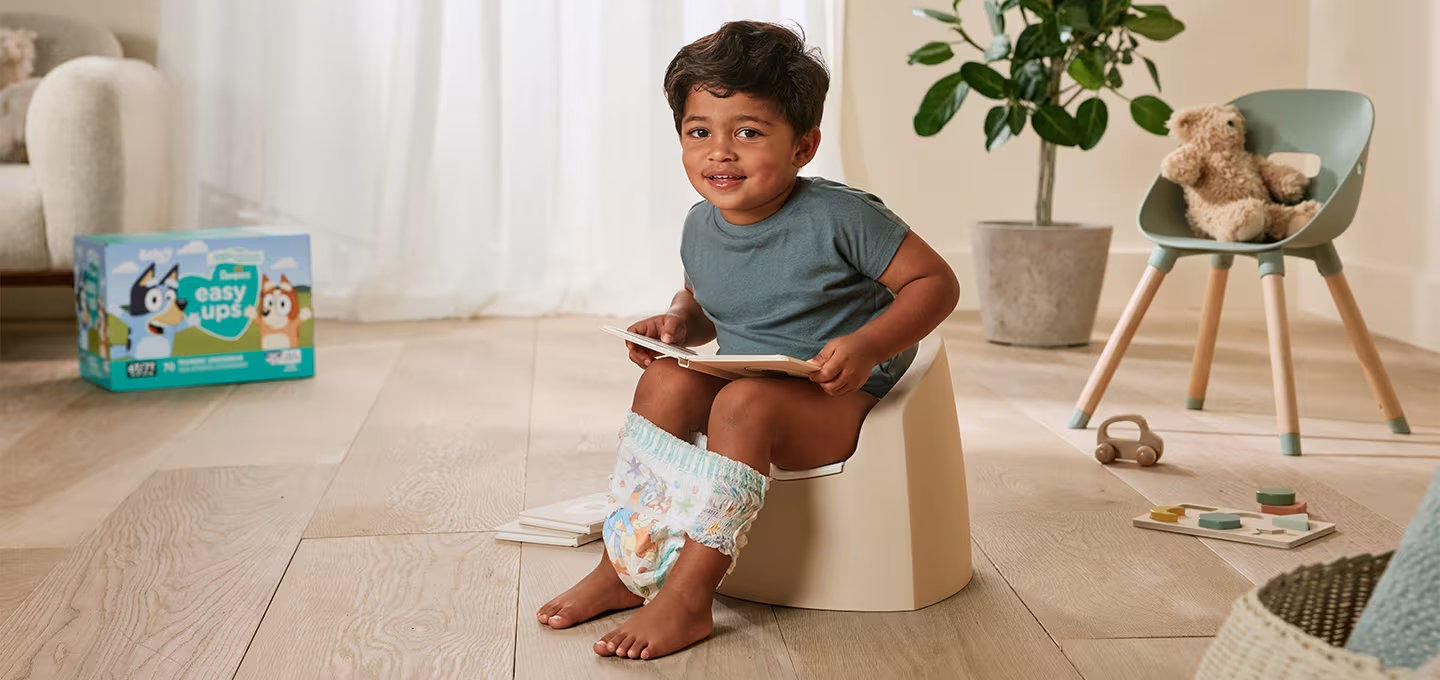
Starting potty training can be a wonderful learning experience for your child if they are ready to take this important step towards greater independence. Training pants such as Pampers Easy Ups can help support that growing independence by allowing children to practice pulling their pants up and down on their own while still providing protection during the learning process.
Although accidents are likely to happen along the way, maintaining patience and a positive attitude will help your child learn more quickly and reduce potential issues. Have fun and provide lots of positive reinforcement on this potty training journey!
And don’t forget to download the Pampers Rewards App, which helps you along the way with expert tips, helpful tools, and rewards for the Pampers products you already use.
Read more about Toddler
Join a World of Support
through Pregnancy and Parenthood.
TRACK WITH TOOLS
LEARN WITH EXPERTS
GET REWARDED




Where You Already Belong