
Diaper Rash: Causes, Symptoms, & Relief for Your Baby



In this article

What Is Diaper Rash?

What Does Diaper Rash Look Like?

What Causes Diaper Rash?

Types of Diaper Rash and Treatments

How Long Does Diaper Rash Last?

How to Prevent Diaper Rash?

When to Contact Your Healthcare Provider

FAQs at a Glance
Key Takeaways
Common causes of diaper rash:
Signs and symptoms of diaper rash:
How to help prevent diaper rash:
Diaper rash is a common skin irritation that many babies experience, showing up as irritated or discolored skin in the diaper area. While it can look uncomfortable, most cases are mild and improve within a few days with simple care.
With the right approach, you can help soothe your baby’s skin and reduce the chances of future flare-ups. In this guide, you’ll learn how to recognize diaper rash symptoms, understand what causes diaper rash, and find practical ways to treat and prevent it.
What Is Diaper Rash?
Diaper rash (or diaper dermatitis) is a common condition that causes irritated skin in your little one’s diaper area. It can look inflamed, flaky, or tender and may make diaper changes uncomfortable for your baby. On lighter skin tones, diaper rash may appear as a red or pink rash on the butt or in skin folds. On deeper skin tones, it can show up as dark brown, purple, or grayish patches.
Diaper rash is generally caused by excessive moisture, friction, or contact with stool or urine, rather than the diaper itself. Over half of all babies will develop diaper rash at some point.
Most cases are mild and clear up with simple care and diaper rash treatment.
Tip
Diaper rash happens to more than 50% of babies, so there’s no need to fret if you start to notice the diaper area becoming irritated and sensitive. This rash can typically be treated in a few days, but seek advice from your healthcare professional should the rash persist.
Diaper rash can feel overwhelming in the moment, but a simple care plan can make the next steps much clearer. Download our quick relief guide for practical steps to try over the next 24 hours.
What Does Diaper Rash Look Like?
Diaper rash can look different depending on the cause, your baby’s skin tone, and how severe the irritation is. While many cases are mild and clear up quickly, others may need closer attention.
For a deeper breakdown of causes, explore our guide to types of diaper rash.
Below is a practical way to recognize diaper rash symptoms and understand what they may suggest.
Common Signs and Symptoms of a Diaper Rash
Parents often search for diaper rash images to compare what they’re seeing—and while every baby’s skin is unique, there are some common signs of diaper rash to look for:
These signs and symptoms of diaper rash often show up in areas that stay moist or rub against the diaper, such as the buttocks, genitals, and inner thighs.
This quick guide can help you connect diaper rash symptoms with possible causes and next steps:
| What you may see | What it may suggest | What to do next |
|---|---|---|
| Mild redness or slight irritation | Basic diaper rash from moisture or friction | Keep the area clean and dry; change diapers frequently |
| Bright red rash with defined edges, especially in skin folds | Yeast diaper rash (fungal infection) | Consult your baby’s healthcare provider; antifungal treatment may be recommended |
| Yellowish crusting, oozing, or pus-filled bumps | Bacterial diaper rash | Contact your baby’s healthcare provider; prescription treatment may be needed |
| Small red bumps or rash after introducing new products | Irritant or allergic reaction | Stop using the new product and monitor symptoms |
| Dry, scaly patches beyond the diaper area | Skin conditions like eczema | Check with your baby’s healthcare provider for guidance |
If you’re unsure, it’s always best to consult your baby’s healthcare provider for help identifying a rash.
Mild vs. Severe Diaper Rash
Understanding the difference between a mild diaper rash and a severe diaper rash can help you decide what to do next.
| Mild diaper rash | Severe or bad diaper rash |
|---|---|
| Light redness or discoloration | Intense redness or dark discoloration |
| Small bumps or slight dryness | Blisters, open sores, or bleeding skin |
| Limited to a small area | Spreading beyond the diaper area |
| Baby seems mostly comfortable | Baby is very fussy or in pain during diaper changes |
A bad diaper rash may also include:
If you notice these symptoms, or if a rash doesn’t improve within a few days, your baby’s healthcare provider can recommend the right treatment.
Other skin conditions, like eczema or cradle cap, may look similar. If you're unsure what you're seeing, check with your baby’s healthcare provider for guidance on how to recognize baby rashes.
Parents also ask…
Is diaper rash painful for babies? Mild diaper rash may cause discomfort, while more severe diaper rash can be painful and make babies fussy, especially during diaper changes.
Can diaper rash spread to other areas? Diaper rash can spread beyond the diaper area if irritation continues or if the skin becomes infected, especially in warm, moist folds.
What Causes Diaper Rash?
Although it may seem like diaper rash from diapers is the issue, diapers themselves aren’t usually the direct cause. Instead, diaper rash develops when a combination of moisture, friction, and irritation affects your baby’s delicate skin.
The warm, damp environment inside a diaper can make it easier for irritation to develop—especially when urine, stool, or bacteria stay in contact with the skin for too long. Understanding what causes diaper rash can help you take simple steps to protect your baby’s skin.
Common Diaper Rash Causes
Here’s a quick look at the most common diaper rash causes:
In Summary
Diaper rash is most often caused by moisture, friction, and contact with stool or urine. Simple steps—like frequent diaper changes and proper fit—can go a long way in protecting your baby’s skin.

Other Possible Causes of Diaper Rash
In some cases, diaper rash may be linked to underlying conditions or infections. These include:
If you notice unusual or persistent symptoms, your baby’s healthcare provider can help determine the exact cause and recommend treatment.
What Factors Increase the Risk of Diaper Rash?
Some everyday situations can make diaper rash more likely, even with good diapering habits:
Helpful next step:
Not sure if your baby’s diaper is the right fit? Finding the correct size can help reduce leaks, friction, and irritation. Try our Diaper Size and Fit Quiz to help keep your baby comfortable.
How Long Does Diaper Rash Last?
The length of time it takes for diaper rash to go away depends on its severity. Mild diaper rash typically goes away after about 3 to 4 days with home treatment. However, some more severe diaper rashes may take longer or require treatment, such as antibiotics or antifungal creams.
If your baby’s diaper rash is not going away with basic care or the symptoms are worsening, your baby’s healthcare provider will be able to identify the severity of the diaper rash and the best course of action.
Parents also ask…
Can teething cause diaper rash? Teething doesn’t directly cause diaper rash, but it can lead to more frequent stools or irritation, which may increase the risk.
Can diaper rash come back after it heals? Yes, diaper rash can return, especially during illness, diarrhea, or periods of sensitive skin. Consistent diaper care helps reduce flare-ups.
Diaper Rash Treatment and Relief
Most cases of diaper rash are mild and improve with simple, consistent care at home. If you’re wondering how to help diaper rash or you’re looking for fast relief for diaper rash, focusing on a few key steps can make a big difference.
When it comes to diaper rash treatment, think in four simple steps:
For detailed guidance on diaper rash remedies and treatment options, explore our dedicated diaper rash treatment guide.
Small habits, like frequent diaper changes and using well-fitting, absorbent diapers, can support healing and help prevent future flare-ups.
How to Prevent Diaper Rash?
Diaper rash is common in babies, and while it’s not always possible to avoid diaper rash, there are some prevention measures you can try. Here are some tips for diaper rash prevention:
When to Contact Your Healthcare Provider
Most diaper rashes improve within a few days with gentle care. However, some symptoms may signal a more serious issue, such as an infected diaper rash, and may need medical attention.
It’s a good idea to consult your baby’s healthcare provider if you notice any of the following:
Your baby’s healthcare provider can help identify the cause and recommend the most appropriate treatment, especially if the rash is severe or persistent.
What Questions Should You Ask Your Baby’s Provider?
If you’re concerned about your baby’s diaper rash, it can help to come prepared with a few questions. This can make it easier to understand the cause and the best next steps.
You might consider asking:

FAQs at a Glance
To help diaper rash heal quickly, keep the area clean and dry, change diapers frequently, and apply a barrier cream recommended by your baby’s healthcare provider. Most mild rashes improve within a few days with consistent care.
The Bottom Line
Remember that a diaper rash is not caused by the diaper itself but is often linked to four main factors: overhydration, friction, imbalanced skin pH, and prolonged contact with stool. With help from your child’s healthcare provider, you can receive an expert diagnosis and treatment for managing symptoms.
Consider trying our Pampers® Swaddlers and Pampers® Sensitive™ Wipes together as a diapering regimen. These two powerhouse products are scientifically demonstrated to work together to balance pH levels, improving overall skin health and providing the ultimate comfort for your baby. Download our Pampers Rewards App to save on your Pampers Diapers and Wipes purchases.
- American Academy of Pediatrics. Caring for Your Baby and Young Child: Birth to Age 5, 7th ed. (New York: Bantam Books, 2019).
- Cleveland Clinic. “Diaper Rash (Diaper Dermatitis).”
- Healthy Children. “Changing Diapers.”
- Healthy Children. “Common Diaper Rashes & Treatments.”
- Kids Health. “Diapering Your Baby.”
- Mayo Clinic. "Baby Rashes."
- Mayo Clinic. "Diagnosis Treatment."
- Mayo Clinic. “Diaper Rash.”
- Mayo Clinic. "Hand-foot-and-mouth disease."

Types of Diaper Rash—How to Identify Them and What to Do
Learn the different types of diaper rash, how to identify each, and when to contact your child’s healthcare provider. Read more now.
Read more
Diaper Rash Treatment: How to Help Heal and Relieve Diaper Rash
Learn effective diaper rash treatment to soothe and heal your baby’s skin fast. Discover creams, care tips, and when to see a healthcare provider.
Read more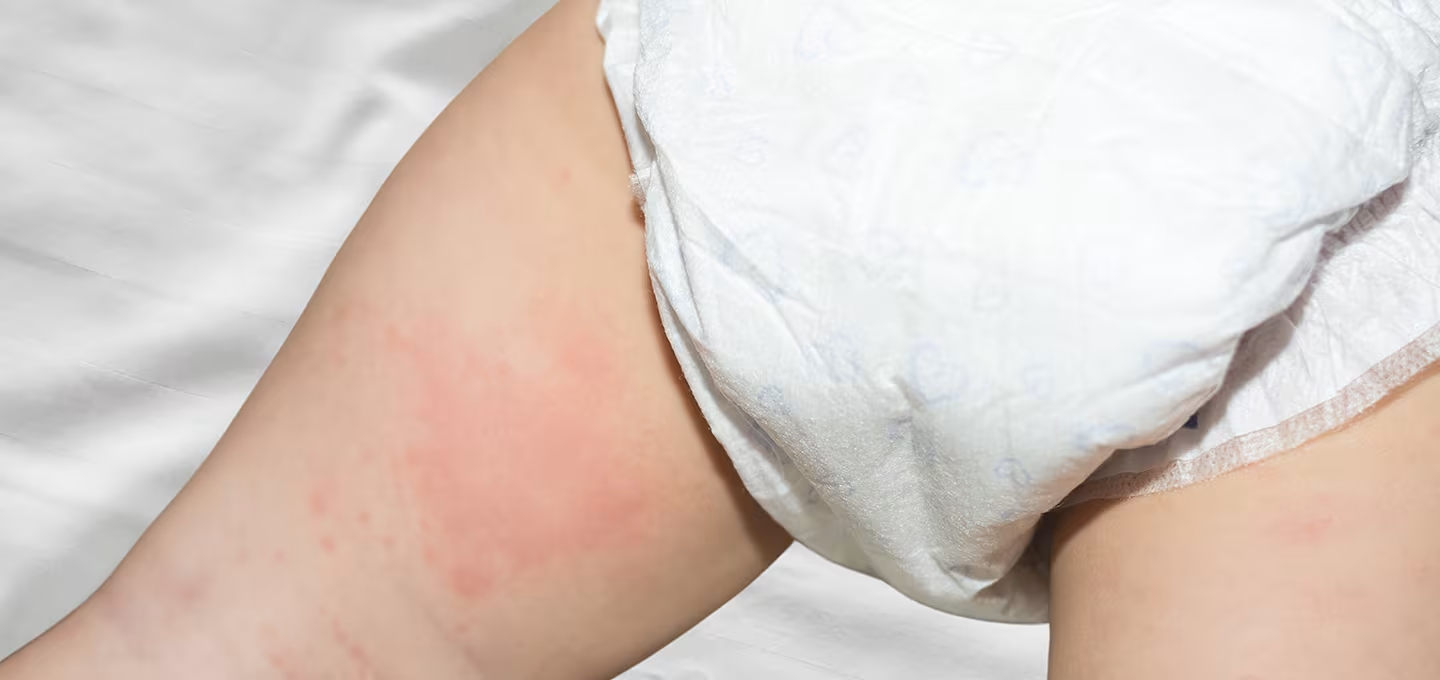
Diaper Rash Bleeding: How to Soothe, Prevent, and Heal Your Baby's Sensitive Skin
By Christopher B. Peltier
Learn how to manage diaper rash bleeding, understand when to seek medical advice, and keep your baby comfortable. Discover essential care tips here.
Read more
Home Remedies for Diaper Rash
By Christopher B. Peltier
Learn how to treat diaper rash fast with safe home remedies like breast milk and coconut oil. Discover what to avoid and when to call your healthcare provider.
Read more
Teething and Diaper Rash: Are They Connected?
By Christopher B. Peltier
Teething and diaper rash are often thought to be connected; however, teething generally doesn’t cause diaper rash. Read on to learn more.
Read more
When and How to Use Diaper Cream for Your Baby
By Christopher B. Peltier
Wondering about the uses of diaper creams? We’ll discuss when to use a diaper cream and provide a step-by-step guide on how to apply it.
Read more
Choosing Comfort: Pampers Best Hypoallergenic Diapers for Sensitive Skin
By Christopher B. Peltier
Find the best diapers for sensitive skin with Pampers. Hypoallergenic, gentle, and designed to keep your baby dry and comfortable all day.
Read more
Yeast Diaper Rash: Causes, Symptoms, and Treatment
By Christopher B. Peltier
Identify yeast diaper rash symptoms, like satellite lesions. Learn effective treatments, antifungal cream options, and prevention tips for your baby's skin.
Read moreTypes of Diaper Rash—How to Identify Them and What to Do
Learn the different types of diaper rash, how to identify each, and when to contact your child’s healthcare provider. Read more now.
Read moreDiaper Rash Treatment: How to Help Heal and Relieve Diaper Rash
Learn effective diaper rash treatment to soothe and heal your baby’s skin fast. Discover creams, care tips, and when to see a healthcare provider.
Read moreDiaper Rash Bleeding: How to Soothe, Prevent, and Heal Your Baby's Sensitive Skin
By Christopher B. Peltier
Learn how to manage diaper rash bleeding, understand when to seek medical advice, and keep your baby comfortable. Discover essential care tips here.
Read moreHome Remedies for Diaper Rash
By Christopher B. Peltier
Learn how to treat diaper rash fast with safe home remedies like breast milk and coconut oil. Discover what to avoid and when to call your healthcare provider.
Read moreTeething and Diaper Rash: Are They Connected?
By Christopher B. Peltier
Teething and diaper rash are often thought to be connected; however, teething generally doesn’t cause diaper rash. Read on to learn more.
Read moreWhen and How to Use Diaper Cream for Your Baby
By Christopher B. Peltier
Wondering about the uses of diaper creams? We’ll discuss when to use a diaper cream and provide a step-by-step guide on how to apply it.
Read moreChoosing Comfort: Pampers Best Hypoallergenic Diapers for Sensitive Skin
By Christopher B. Peltier
Find the best diapers for sensitive skin with Pampers. Hypoallergenic, gentle, and designed to keep your baby dry and comfortable all day.
Read moreYeast Diaper Rash: Causes, Symptoms, and Treatment
By Christopher B. Peltier
Identify yeast diaper rash symptoms, like satellite lesions. Learn effective treatments, antifungal cream options, and prevention tips for your baby's skin.
Read moreJoin a World of Support
through Pregnancy and Parenthood.
TRACK WITH TOOLS
LEARN WITH EXPERTS
GET REWARDED




Where You Already Belong