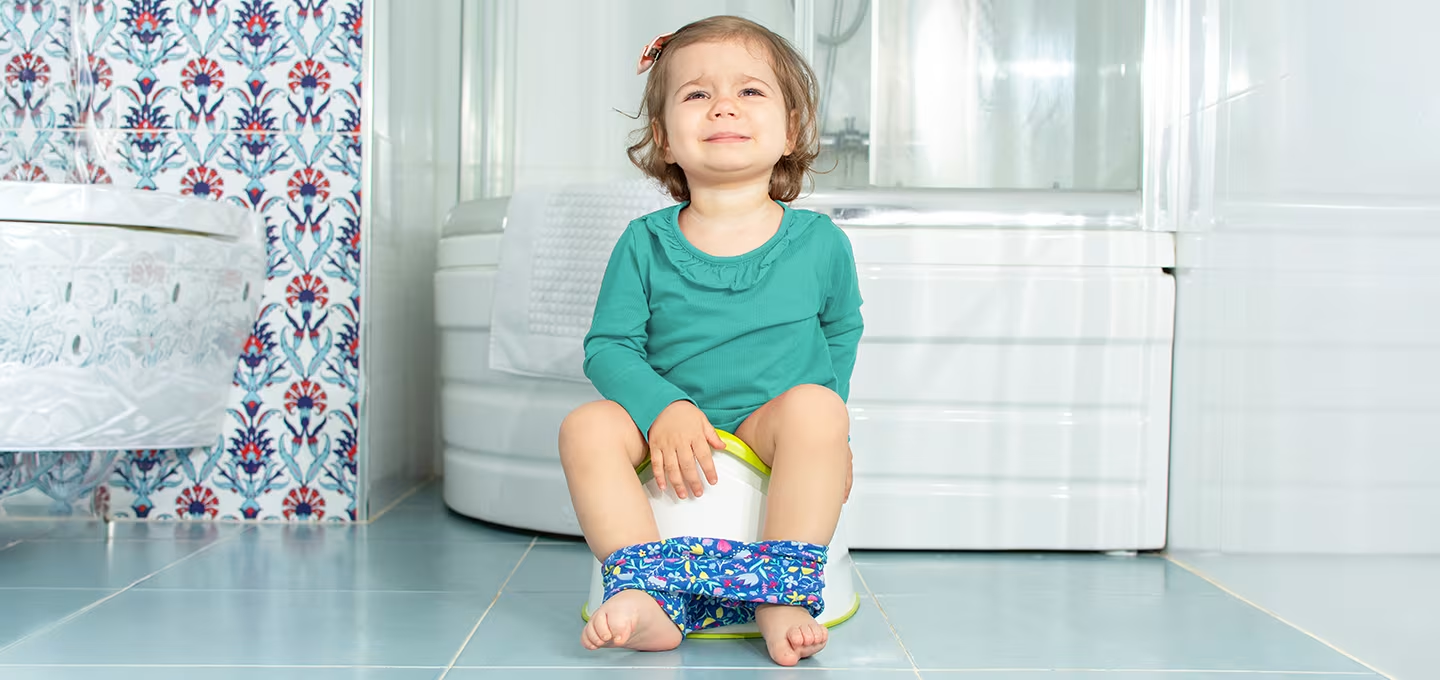
How to Deal With Potty-Training Regression



Potty training regression is a common and often frustrating phase where a child who was previously using the toilet successfully begins having accidents again. A variety of factors, including stress, changes in routine, emotional disruptions, or medical issues such as constipation or urinary tract infections, can trigger this setback.
It’s important to remember that potty training often isn’t a linear process—dips and lapses are common and generally normal.
Understanding the root cause is key to addressing potty-training regression.
Key Takeaways
Here’s a quick breakdown of what you need to know:
Common Causes:
Signs of Regression:
What to Do:
Most regressions are temporary and resolve within a few weeks. In the sections that follow, we’ll dive deeper into why potty-training regression happens and how to get your child confidently back on track.
What Is Potty-Training Regression?
After observing signs of potty-training readiness in your child, you've forged ahead with potty training, and all is going well. Then your child suddenly makes a reversal and appears to have forgotten how it all works or rejects even trying to use the potty. Accidents start happening regularly, at home and even at day care.
This is referred to as potty-training regression (or toilet training regression), characterized by a sudden abandonment or rejection of potty routines, frequent accidents, or even your child’s desire to revert to using diapers.
Potty training regression can occur at any age, whether your child is 3 years old, 4 years old, or older. It simply refers to a lapse in their toilet training skills after they had previously mastered them.
Signs of Potty-Training Regression
Potty training regression can be confusing and stressful—for both you and your toddler. One day your child may seem fully trained, and the next, you're asking yourself, “Why is my child suddenly wetting themselves?” While every child is different, some common signs might indicate a reversal in toilet training progress.
These signs may be part of a normal regression phase and not necessarily a permanent loss of skills. If your child is experiencing these behaviors, know that you’re not alone—and that potty training reversal is a common part of the process for many families.
Tip
Try to stay calm and encouraging. Rebuilding your child’s confidence around the potty is often the key to moving forward.
Toilet Training Accidents vs. Regression
Toilet training and accidents often go together, especially for toddlers still learning to recognize their body’s cues. An occasional toilet training accident is normal, even after early success. Toddlers and young children often struggle to recognize the urge to pee or poop, which can result in accidents before they reach the toilet.
It's important to remember that having a toilet training accident now and then is a normal part of the potty-training process. All children experience this, so it’s to be expected. However, if a potty-trained toddler is having accidents again—especially multiple times a day—it may signal a potty-training regression.
Shame After Accidents
For many toddlers, potty training poop accidents or wet pants bring feelings of embarrassment. Children at this age are just starting to understand shame, but don’t yet know how to manage it.
Signs of this might include:
These behaviors are usually not defiance—they're signs your child may feel ashamed or worried about your reaction.
Tip
Reassure your child that accidents are OK. Your calm response can help ease embarrassment and build confidence.
What Factors Can Cause Potty-Training Regression?
If your child is suddenly regressing with potty training, you’re not alone—and it doesn’t mean you’ve done anything wrong. Potty training isn’t a straight line, and it’s completely normal for toddlers and preschoolers to take a few steps back before moving forward again. But understanding what causes potty training regression can help you support your child through this stage with empathy and confidence.
Everyday Emotional Ups and Downs
Emotional development plays a huge role in toileting success. For toddlers and preschoolers, big feelings like stress, insecurity, or overstimulation can quickly lead to potty training anxiety. Even small disruptions in routine can cause a shift in behavior.
Common psychosocial triggers include:
During times of emotional upheaval, your child may be extra clingy, distracted, or even suddenly refuse to sit on the potty. Offering reassurance, consistency, and patience can go a long way.
Big Changes Can Bring Setbacks
Stressful events or big changes, such as a recent move, the death of a family member, or witnessing conflict, can cause regression. These changes might feel overwhelming to a child, making them crave the comfort and familiarity of earlier stages, like wearing diapers or being taken care of.
For example, if your preschooler is pooping their pants regularly after a distressing event, it may be their way of coping or expressing anxiety.
When Health Issues Play a Role
Sometimes potty training setbacks are linked to physical discomfort or health issues. Common culprits include:
These can make using the potty feel uncomfortable or even scary. If your toddler has suddenly changed toileting behavior, especially if they’re wetting more often or avoiding the potty altogether, it’s worth checking in with your child’s healthcare provider to rule out medical concerns.
They Might Just Need More Time
It’s also possible that your child simply isn’t developmentally ready for full independence with toileting, especially if training began early or during a stressful time. While some toddlers may seem potty trained, they might still need reminders, encouragement, and support.
For instance, if your toddler suddenly refuses to sit on the potty, they could be overwhelmed or afraid, especially if they had a previous accident or a scare. That doesn’t mean they won’t get there—it just means they need a little more time and reassurance.
Other Everyday Causes to Consider
Even in the absence of stress or medical concerns, some behaviors can still lead to accidents. You might notice your child:
These scenarios are normal, and they don’t mean your child is having accidents on purpose. They’re simply navigating the ups and downs of learning a big new skill.
Parents also ask… Is it normal for a child to experience regression more than once? Yes, it's normal for children to experience regression more than once, especially during times of stress or change. Each situation requires understanding and support to address the underlying cause. Can using a reward system help with potty training regression? A reward system can be effective in encouraging positive potty habits. Simple rewards, such as a sticker chart or a small toy, can motivate your child to use the potty independently. Do not punish your child if they are experiencing potty training regression. |
Potty training progress looks different for every child. See how your little one’s development compares with our Baby Growth Chart Calculator.

Baby Growth Chart Calculator
Keep an eye on your baby’s average growth by tracking height, weight, and head circumference with our simple tool.
This is a mandatory field.
This is a mandatory field.
This is a mandatory field.
This is a mandatory field.
*Input details of your baby’s last measurements. **Source: World Health Organization
5 Steps for Handling Potty-Training Regression
Wondering what to do about potty training regression? When your potty-trained child suddenly starts having accidents, refusing to use the toilet, or asking for diapers again, it can be frustrating and confusing. But with some understanding and consistency, your child can regain confidence. Here’s how to gently guide them through it:
Parents also ask… What should I do if my child suddenly refuses to use the potty? If your child suddenly refuses to use the potty, try to stay calm and patient. Offer encouragement and make the potty experience positive by using fun, motivational tools like stickers or a small reward for attempts. What role does diet play in potty training regression? Diet can impact bowel habits, which in turn affects potty training. Ensure your child has a balanced diet with plenty of fiber and fluids to promote regular bowel movements. |
How to Deal With Toilet Training Regression and Accidents
If your toddler is regressing in potty training, it’s easy to feel discouraged, especially when accidents seem to happen daily. But take heart: this is a common stage, and with a little patience and consistency, most children find their way back to success.
Here are a few gentle, supportive ways to respond to potty training accidents:
You can also invite your child to help clean up—not as a punishment, but as part of learning how to care for their body and belongings. According to pediatric experts, shaming or punishing a child for accidents can increase anxiety and delay progress.
Be Prepared for Setbacks
When you’re out and about, bring a change of clothes and extra underwear in your bag or your child’s backpack. Many daycares require a spare set on hand, just in case. Being prepared takes the pressure off your child and helps you stay calm if an accident happens.
A Gentle Alternative to Diapers
If your child is having repeated accidents after toddler potty training regression, you might wonder if it’s time to return to diapers. But before you do, consider trying training pants instead.
Training pants offer protection during this stage while still supporting your child’s independence. They’re easy to pull up and down, helping toddlers stay connected to the potty routine, and can even be worn under underwear for added confidence.
Just be sure the potty is still easily accessible, and your child knows they’re still expected to try. With time and support, training pants can be a helpful short-term bridge back to regular underwear.
| Designed to look and feel like real underwear, Pampers Easy Ups are a great choice for toddlers navigating potty training regression. With a 360° stretchy waistband and soft, breathable material, they’re easy for little hands to pull up and down—building confidence with every try. |
Support Yourself, Too
Dealing with potty training regression isn’t just hard on toddlers—it can be tough on parents, too. If your child has an accident, try not to take it personally or worry about how others might perceive it.
Keep in mind:
If you feel your frustration building, it’s perfectly fine to step away and ask your partner or another caregiver to step in for a moment. What matters most is that your child feels safe, loved, and supported.
Still feeling unsure how to deal with potty training regression? Reach out to your child’s healthcare provider for personalized guidance. You might also consider parenting classes or peer support groups—other parents are often eager to share potty training regression tips and personal stories that remind you this is all part of the journey.
How Long Does Potty Training Regression Last?
Potty training regression is usually temporary. For many toddlers, it lasts just a few days or weeks, especially when handled with patience and consistency. In some cases, it may take a little longer if your child is adjusting to a big life change or recovering from an illness.
Every child is different, so try not to compare timelines. What matters most is offering reassurance, keeping routines steady, and responding calmly to accidents. If regression continues for more than a few weeks or is paired with other concerning behavior, consider checking in with your child’s healthcare provider for guidance.
FAQS AT A GLANCE
Many children experience potty-training regression, and many, if not most children, have potty-training accidents as they're learning how to use the potty or toilet. Every child is different—some may experience many accidents, whereas others may have fewer. With time and a little patience on your part, your child will be successful at potty training.
The Bottom Line
Regression can occur for your potty-trained toddler at any time during their potty-training journey for various reasons, as we mentioned earlier. A sudden change in routine can derail a child's progress. Major life events, such as moving to a new home or going through a divorce, can disrupt their stability. Additionally, a new pregnancy, which means an impending sibling, may cause your child to seek extra attention.
No matter the reason for the potty-training regression, there are ways to manage the resulting accidents and get back on track for success. Explore effective strategies and tips for potty training. Identify the underlying issues, work towards finding solutions, and help your child understand the benefits of being potty-trained. Show your confidence in their ability to successfully achieve this goal.
Sooner than you think, you’ll have a potty-trained child ready to take on the world!
- American Academy of Pediatrics. Guide to Toilet Training. (New York: Bantam Books, 2016).
- American Academy of Pediatrics. The Wonder Years. (New York: Bantam Books, 2006).
- Cleveland Clinic. Potty Training Regression: What To Do About It
- Healthy Children. Emotional Issues and Potty-Training Problems
- Healthy Children. Potty Training Regression
Read more about Toddler
My Preschooler Isn’t Fully Potty Trained and I’m Okay with That
Potty training is different for every child, and it takes time. If you’re worried about potty training, read this heartfelt story from an experienced Mom.
Read more
Potty Training Tips for Boys and Girls
By Madeline Johnson
Potty training can be tricky, but with these tips and tricks, you might find potty training your little boy or girl is easier for you and more fun for your little one.
Read more
Potty Training While Traveling
Potty training is hard at home and can be even harder on the road. Follow these guidelines to help with potty training while traveling.
Read more
Potty Training Songs: Fun Tunes to Help Your Toddler
Looking for potty training songs? Check out our list of fun tunes that can make potty training an exciting journey for your toddler.
Read more
Potty Training Stories
Potty training can be surprising, challenging, and even hilarious. Check out these real-life stories from moms who've made it through the process.
Read moreMy Preschooler Isn’t Fully Potty Trained and I’m Okay with That
Potty training is different for every child, and it takes time. If you’re worried about potty training, read this heartfelt story from an experienced Mom.
Read morePotty Training Tips for Boys and Girls
By Madeline Johnson
Potty training can be tricky, but with these tips and tricks, you might find potty training your little boy or girl is easier for you and more fun for your little one.
Read morePotty Training While Traveling
Potty training is hard at home and can be even harder on the road. Follow these guidelines to help with potty training while traveling.
Read morePotty Training Songs: Fun Tunes to Help Your Toddler
Looking for potty training songs? Check out our list of fun tunes that can make potty training an exciting journey for your toddler.
Read morePotty Training Stories
Potty training can be surprising, challenging, and even hilarious. Check out these real-life stories from moms who've made it through the process.
Read moreMy Preschooler Isn’t Fully Potty Trained and I’m Okay with That
Potty training is different for every child, and it takes time. If you’re worried about potty training, read this heartfelt story from an experienced Mom.
Read morePotty Training Tips for Boys and Girls
By Madeline Johnson
Potty training can be tricky, but with these tips and tricks, you might find potty training your little boy or girl is easier for you and more fun for your little one.
Read morePotty Training While Traveling
Potty training is hard at home and can be even harder on the road. Follow these guidelines to help with potty training while traveling.
Read moreJoin a World of Support
through Pregnancy and Parenthood.
TRACK WITH TOOLS
LEARN WITH EXPERTS
GET REWARDED




Where You Already Belong