
Hand, Foot, and Mouth Disease Explained

Hand, foot, and mouth disease (HFMD) is a contagious viral infection that most often affects young children and causes painful blisters. If your little one is diagnosed with HFMD, there are steps you can take to help ensure a more comfortable recovery. With the right care, your child will be right back to normal within a few days.
Read on to learn more about the symptoms of HFMD, its causes, and what treatment is available.
What Is Hand, Foot, and Mouth Disease?
Hand, foot, and mouth disease is an infection caused by a virus, most commonly the Coxsackie virus. It causes painful red blisters on the hands, feet, mouth, throat, and diaper area.
HFMD is typically a minor childhood illness causing just a few days of fever and usually minor symptoms.
In the United States, outbreaks of HFMD occur more often in the spring, summer, and fall. The illness is more likely to affect children under 5 years old, although the virus can infect children up to 10 years old. Likewise, although it’s unusual, it can also infect adolescents and adults.
What Are the Symptoms of Hand, Foot, and Mouth Disease?
The first sign of HFMD infection is often a fever, followed by a sore throat and loss of appetite. It usually takes about three to six days after your child is first infected for these symptoms to start showing.
About a day or two after your little one comes down with the initial fever, painful sores begin to develop in the throat or the front of the mouth. A rash on the hands and feet or diaper area might follow within a day or two after that.
Just to recap, here are the most common symptoms of HFMD. Keep in mind that your little one might have all or only a few of them:

Causes of HFMD
Your little one is most likely to catch hand, foot, and mouth disease if they come into contact with an infected person’s
The illness can spread easily in child care settings because of all the diaper changes and potty training going on, and because your little one might still be prone to putting their hands in their mouth.
When to Contact Your Child’s Healthcare Provider
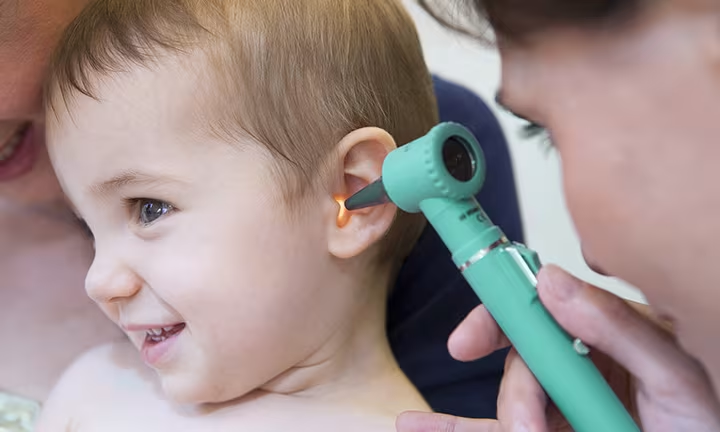
If you notice sores in your child’s mouth or a sore throat prevents them from drinking, contact their healthcare provider. Let your child’s provider know if their symptoms get worse after a few days, too.
Your child’s healthcare provider will consider these things when diagnosing HFMD:
How Is Hand, Foot, and Mouth Disease Treated?
Treatment can help ease the discomfort of the symptoms for your little one. For example, your child’s healthcare provider may recommend an over-the-counter pain and fever reducer.
Always check with your child’s healthcare provider about care and treatment, especially for infants and young babies. These are some possible at-home remedies for HFMD that might help comfort and help a toddler or older child:
Potential Complications
Although HFMD is usually a minor illness, it can sometimes worsen and cause more serious complications. Usually, dehydration is the first complication, as the sores in your little one’s mouth or throat can make swallowing painful. Make sure your child sips fluid frequently throughout the day while they're ill. If dehydration gets severe, the healthcare provider may recommend that your child receives fluids intravenously (IV).
It is rare, but sometimes a serious form of the HFMD virus can cause these two complications:
If your child is diagnosed with HFMD, your healthcare provider can let you know what signs or symptoms to watch out for to help prevent HFMD from worsening.
Can You Prevent Your Little One From Getting HFMD?
As your little one gets older, they may develop immunity to HFMD by building antibodies against it if previously exposed to the virus. In any case, here are some precautions you can take to help prevent your child from getting the infection:
How to Help Prevent the Spread of HFMD
If your child has HFMD, try to keep them away from others as much as possible. At home, this can be harder, but urge all family members to avoid touching their eyes, nose, and mouth. Insist on frequent handwashing for everyone, and disinfect high-traffic surfaces regularly.
Your child is most contagious in the first week, but the virus can remain in their body for weeks after the symptoms have disappeared. As long as the virus is in the body, it can infect others. If possible, keep your little one out of child care or school if they have a fever or any HFMD blisters.
Keeping your infected little one out of child care or school for more than a week may not be an option for you. If that’s the case, let the child care center or school know so they can take additional precautions such as extra hand washing and disinfecting to help prevent HFMD from spreading to the other children.
FREQUENTLY ASKED QUESTIONS
Fever is usually the first symptom of HFMD, followed by a sore throat and possibly blisters in the mouth.
The Bottom Line
Hand, foot, and mouth disease is a common infection that often goes away within a few days. If your little one catches it, just try to keep them as comfortable as possible and trust your child’s healthcare provider to offer some good suggestions to ease the symptoms. Things will return to normal soon enough.
Keeping your child’s bottom dry and clean is important. We can help with that! Turn all those Pampers diapers and into savings by downloading the free Pampers Rewards app today.
Read more about Baby








Join a World of Support
through Pregnancy and Parenthood.
TRACK WITH TOOLS
LEARN WITH EXPERTS
GET REWARDED




Where You Already Belong