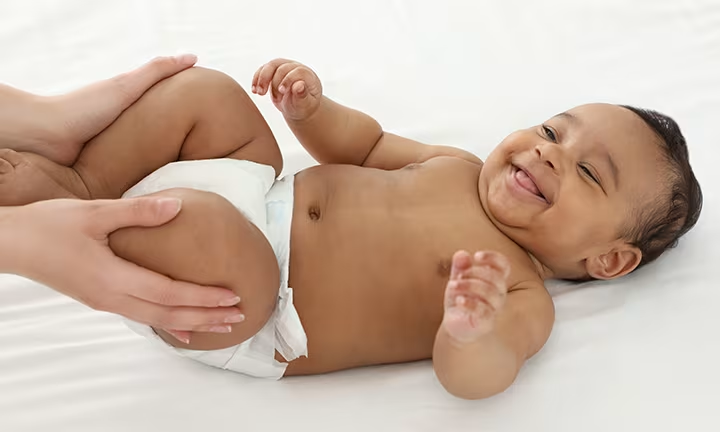
How to Massage Your Baby



Baby massage is more than just a soothing routine—it’s a powerful way to bond with your baby while supporting their physical and emotional development. Research shows that regular infant massage may help reduce crying, relieve gas and colic, improve sleep, and even enhance immune function. It also promotes better muscle tone, coordination, and skin health. For parents, it offers a chance to build confidence and connect deeply with their child through the power of touch.
Key benefits of baby massage:
By using gentle, rhythmic strokes with baby-safe oils or lotions, you can create a calming experience that evolves with your child’s age and needs—from newborns to toddlers. In the sections that follow, we’ll explore step-by-step techniques, safety tips, and age-specific guidance to help you make baby massage a nurturing part of your daily routine.
What Is Infant Massage and What Are the Benefits?
Infant massage is a soothing therapy that involves gently touching and stroking your baby in a way that communicates your love and care—plus, it has numerous benefits for your little one.
Research shows that massaging infants can support both physical and emotional well-being. Whether you’re practicing massage for a newborn or an older infant, these quiet moments of connection can have a powerful impact.

Baby Growth Chart Calculator
Keep an eye on your baby’s average growth by tracking height, weight, and head circumference with our simple tool.
This is a mandatory field.
This is a mandatory field.
This is a mandatory field.
This is a mandatory field.
*Input details of your baby’s last measurements. **Source: World Health Organization
How to Massage Your Baby
Learning how to massage a baby can be a beautiful way to bond while supporting your little one’s health and development. With just a few minutes, some calming touch, and the right baby massage techniques, you can help your baby feel relaxed, safe, and loved. Here’s a beginner-friendly guide on how to give an infant massage:
If you're still unsure about how to do an infant massage, don’t worry. There are books, videos, and even in-person classes that can help you feel more confident. Some local hospitals or wellness centers offer infant massage classes taught by certified instructors.
If your baby has any health conditions or was born prematurely, speak with their healthcare provider before starting any massage for newborns. They can guide you on the safest approach and help you adapt newborn massage techniques to suit your baby’s unique needs.

When and How Often Should You Massage Your Baby?
If you’re wondering when to start baby massage, you can start as early as you like. Just be sure to be extra gentle when massaging newborns.
Here are some tips on choosing the right times to massage your baby:
Choose a time that’s good for both of you. It’s up to you and your baby when and how often you do this activity together. You may decide to massage your baby in the evening as part of their bedtime routine. It can be a soothing ritual that helps calm them before bedtime.
Baby Massage for Sleep
Baby massage for sleep is a calming ritual that can help your little one wind down and feel secure before bedtime. Gentle, rhythmic strokes support your baby’s nervous system, reduce cortisol (a stress hormone), and encourage melatonin production—the hormone that helps regulate sleep cycles.
A consistent infant massage for sleep routine has been shown to help babies fall asleep faster, stay asleep longer, and wake less frequently during the night.
Try massaging your baby in a quiet room after a warm bath and before bedtime. Focus on soothing strokes on the arms, legs, back, and feet, and use a calming voice or lullaby to help set the tone for sleep. With regular practice, massaging your newborn or older baby may become one of your favorite tools to promote restful nights—for both of you.
Infant Massage for Gas Relief
Infant massage can be a gentle and natural way to relieve discomfort from trapped air and bloating. Babies often experience gas as their digestive systems mature, and massage can help move those tiny bubbles through.
Popular infant massage techniques to help relieve gas include:
Always wait at least 30 minutes after a feeding before doing a massage for gas relief on a newborn or older baby to avoid discomfort. If your baby seems fussy during or after feeds, ask your healthcare provider whether massage for infant gas relief is a good addition to your daily routine.
Baby Massage by Body Part
Different parts of your baby’s body may benefit from different infant massage techniques. Here's a breakdown of how to give your infant a massage from head to toe:
Soothing Head and Face Massage for Babies
Gentle infant head massage and facial massage can be especially calming. Use your fingertips to gently stroke from the center of your baby’s forehead outward. You can also use soft circular motions on their scalp, temples, cheeks, and jawline. Be extra cautious to avoid the fontanelle (soft spot on top of the head) and keep your pressure very light. Newborn head massage may help relieve tension or fussiness and can encourage relaxation—especially useful as part of a bedtime routine.
Gentle Baby Chest Massage
Place both hands flat in the center of your baby’s chest and gently sweep outward toward the shoulders in a butterfly motion. This baby massage technique is soothing and may help calm a fussy baby. Maintain steady, gentle pressure and observe your baby’s cues. Avoid the chest area if your baby is showing signs of illness or congestion unless cleared by their healthcare provider.
Infant Tummy Massage
Wondering how to massage your newborn’s belly? Tummy massage for newborns or older infants is a safe and natural way to support digestion and ease gas, especially helpful for colicky babies.
To perform infant abdominal massage:
This infant massage for gas may help reduce discomfort from trapped air and promote bowel movements. If your baby has colic, gentle tummy massage may also ease symptoms, particularly when used alongside soothing techniques like swaddling or carrying your baby.
Baby Back Massage to Relax and Soothe
Lay your baby on their tummy across your lap or on a safe surface. Gently stroke along their back from neck to bottom using the flats of your hands. Avoid pressing directly on the spine. This type of baby back massage can help relax your baby’s muscles and may support motor development over time.
Infant Arm and Hand Massage
Hold your baby’s upper arm gently and use your hands to stroke downward to the wrist. Try a wringing motion or softly roll the arm between your hands. For baby hand massage, softly open and close your baby’s fists, then use your thumbs to make small circles in their palms. This kind of sensory input can help promote flexibility and body awareness, especially as your baby learns to explore with their hands.
Massaging a Baby’s Feet and Legs
Baby foot and leg massage is often very relaxing for them. Use your thumbs to stroke from heel to toes in a rhythmic pattern and gently tug the toes. Light circular motions on the soles of the feet may also help calm a fussy baby. Try not to make your touch too light, as this may be ticklish for your baby (keep an eye on their reactions). For the legs, try a gentle wringing motion from thigh to ankle, or firmly stroke down each leg.
Choosing the Best Oil for Baby Massage
Whether or not to use baby massage oil is largely a matter of personal preference, but many parents find that it helps their hands glide more smoothly over their baby's delicate skin, making massage more comfortable and soothing.
If you decide to use an oil, the key is choosing one that is safe, gentle, and suitable for your baby’s sensitive skin. According to experts, a good baby massage oil should be:
Popular natural oils often used in infant massage include:
Olive oil for baby massage is not typically recommended for babies with eczema or sensitive skin, as some research suggests it may disrupt the skin’s natural barrier. It’s also recommended to avoid adult massage oils, nut-based oils, hand lotions, or essential oils.
Some parents wonder when to start oil massage for a newborn baby. You can begin gently massaging your baby (with or without oil) after the first few weeks, once the umbilical cord stump has healed and your baby’s skin has adjusted to life outside the womb. For premature babies or those with specific skin conditions, consult your healthcare provider before starting massage.
Before using any new oil, do a small patch test. Apply a tiny amount to a small area of your baby’s skin and wait 24 hours to check for any reaction, such as redness or irritation. If a reaction occurs, stop using the oil and consider trying a different product or skipping oils altogether.
You don’t need a special brand—many parents use oils they already have for their baby’s skincare. However, when looking for the best oil for baby massage, consider one that aligns with your baby’s needs, your values (organic, vegan, etc.), and any guidance from your child’s healthcare provider.
FAQS AT A GLANCE
You can typically begin massaging your baby when they’re around 2 to 3 weeks of age, once the umbilical stump has healed. Massage can be especially beneficial for bonding and soothing during this early stage.
The Bottom Line
Massaging your baby is an excellent way to soothe them and strengthen your bond. You may find that you enjoy this time together just as much as they do! Choose a moment when your baby is in a good mood, and who knows, it could become a cherished routine that your little one looks forward to.
In between your baby’s massage sessions, you’ll probably be changing lots of diapers. Why not make it a bit more rewarding? Download the Pampers Rewards App, scan all your diaper codes, and earn Pampers Cash. Then simply redeem for money off Pampers at one of your favorite retailers.
- Pregnancy, Childbirth and the Newborn: The Complete Guide. Penny Simkin, P.T., Janet Whalley, R.N., B.S.N., Ann Keppler, R.N., M.N. Meadowbrook Press, 2001.
- Cleveland Clinic: Gassy Baby? Try These 9 Gas Relief Tips
- Healthy Children: Colic Relief Tips for Parents
- Healthy Children: Gas Relief for Babies
- Healthy Children: The Benefits of Baby Massage
- International Association of Infant Massage: FAQ’s for Parents
- Kids Health: A Guide for First-Time Parents
- Kids Health: Bonding With Your Baby
- NCBI: Effects of Infant Massage: A Systematic Review
- Smart Sleep Coach: 7 Tips on How to Massage a Baby to Sleep
Join a World of Support
through Pregnancy and Parenthood.
TRACK WITH TOOLS
LEARN WITH EXPERTS
GET REWARDED




Where You Already Belong