
Understanding Natural Birth and How to Prepare for It


Natural childbirth is typically described as labor and delivery with little or no medical intervention.
If the natural delivery of your little one is something you’re considering, then find out more about what it is, how to prepare for natural birth, and what some of the potential benefits are.
Keep in mind that natural childbirth may not always be possible. Labor and delivery are unpredictable, and in some cases, medical intervention may be necessary to protect the safety of you and your little one.
Still, it’s great to know all of your options in advance so that you can feel comfortable with your choices. If preparing for natural childbirth or vaginal birth is on your mind, having this knowledge can be invaluable.
What Is Natural Childbirth?
Natural childbirth is, at its essence, letting nature take its course with a vaginal delivery. Of course, giving birth naturally is a deeply personal experience, and it’s really up to you to decide exactly what natural childbirth means in your situation.
Natural childbirth may include any or all of the following:
You might choose natural birth because you want to feel more deeply connected to the physical experience or because it might help you feel more in control.
You might want to consider a balanced approach to childbirth. This means having some medical intervention, like monitoring your baby, while still experiencing a natural birth without pain relief. This way, you can enjoy the benefits of both methods.
If you have a low-risk pregnancy, you might consider natural childbirth as an option. Discuss with your healthcare provider to ensure it's safe for you and your baby.
Some of the Benefits of Natural Childbirth
One common component of natural childbirth is avoiding or greatly reducing the use of pain medications during labor.
There are some potential benefits of giving birth naturally without pain relief:

Alternative Pain Relief Methods
There are many alternatives to medication when it comes to pain relief and comfort measures during labor.
These are some popular pain-management methods for natural childbirth:
Talk to your healthcare provider about pain relief options for childbirth. Consider which ones might work best for you, as choices can vary depending on the hospital or birthing center.
Getting familiar with and practicing these techniques ahead of time can make you feel more ready for natural childbirth. These methods are likely to be part of what you'll learn in your childbirth classes.
Preparing for Natural Childbirth
Preparing for natural childbirth can increase the chance of everything going well, and it can reduce some of the worries you may otherwise feel.
Consider the following ideas to help you prepare for vaginal birth:
When Natural Childbirth Might Not Be Best for You
There are circumstances in which natural childbirth might not be the safest choice for you or your baby. Your healthcare provider can provide guidance on this.
It’s also important to remember that labor and childbirth are unpredictable. Things might change on the day you go into labor, which can mean that natural childbirth may no longer be the best or safest course of action.
For example, if there’s a medical emergency, a cesarean section might become necessary. Or, you may find that, when the time comes, you’d like some form of medicated pain relief.
Stay informed about your options and keep an open mind. Remember, your healthcare provider is dedicated to ensuring both you and your baby are safe and comfortable. No matter your choice, giving birth is an incredible experience.
FAQS AT A GLANCE
Generally, natural childbirth is a vaginal delivery with little or no medical intervention, including pain medications.
The Bottom Line
If natural childbirth is your goal, preparing in advance — including preparing for the unexpected — will help you have the best experience possible. No matter how you deliver your baby, childbirth is an astounding achievement.
Although there are many unknowns when it comes to giving birth, one thing is for certain: from the day your little one arrives, you’ll be going through lots of diapers and wipes. Turn them into rewards and savings! Download the Pampers Rewards app today to get started.
- Mayo Clinic: Pregnancy week by week
- Cleveland Clinic: Labor without Medication: Coping Skills
- Kids Health: Dealing With Pain During Childbirth
- March of Dimes: Your Birth Plan
- Cleveland Clinic. Doula
- Kids Health: Birthing Centers and Hospital Maternity Services
- Kids Health: Natural Childbirth
- Cleveland Clinic: Labor without Medication: Coping Skills
- Kids Health: Cesarean Sections
- Mayo Clinic: Home birth: Know the pros and cons
- Book: Your Pregnancy and Childbirth: Month to Month, Sixth Edition Paperback – January 1, 2016
by American College of Obstetricians and Gynecologists (Author)
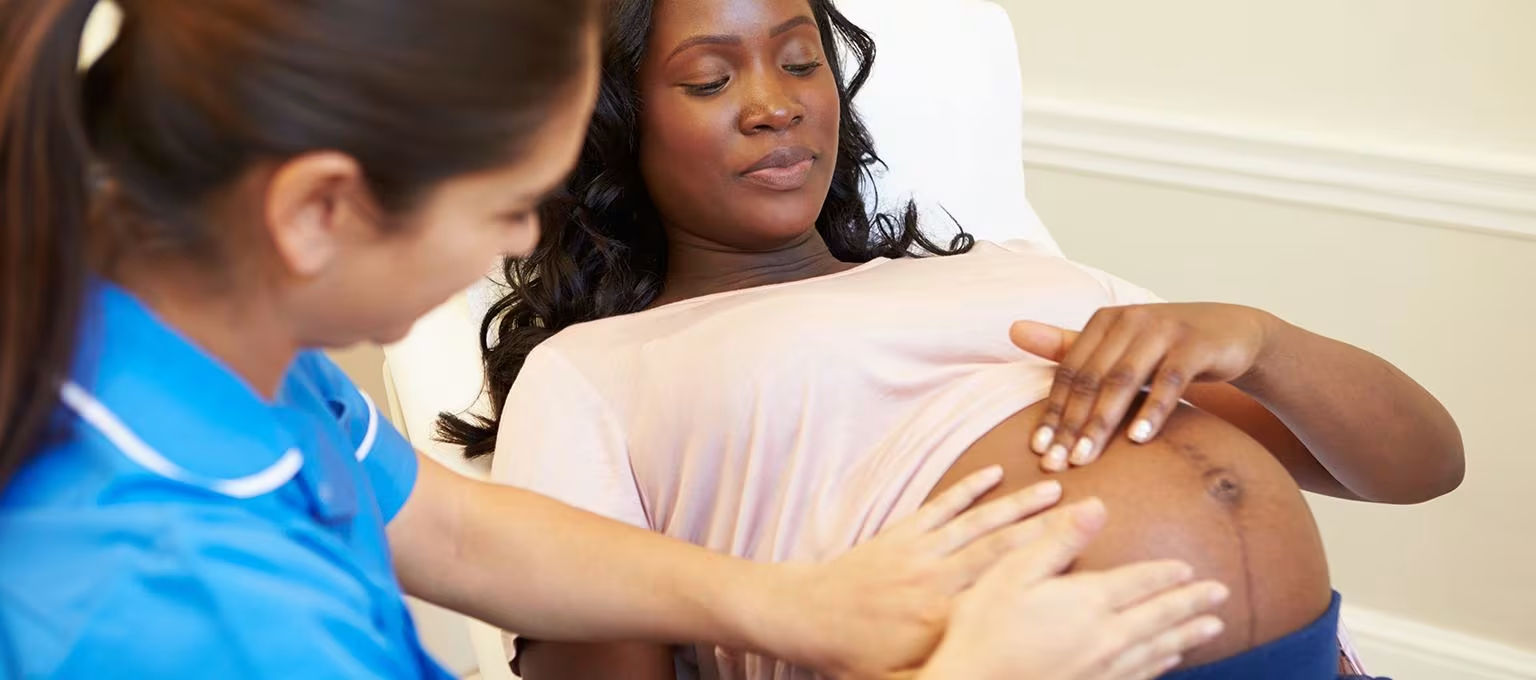
Breech Baby: Causes, Positions, & Delivery Options
Learn about breech baby positions, causes, and delivery options. Discover when babies turn head-down and what to do if your baby remains in a breech position.
Read more
What You Need to Know About Your Water Breaking
Ever wondered what it feels like when your water breaks? Read about the signs, what happens next, and when you should contact your healthcare provider.
Read more
When Does Your Baby Drop and How Soon After Will Labor Start?
One of the signs you’re getting ready for labor is when your baby drops. Learn what it means, when it usually occurs, and how to tell that it's happened.
Read more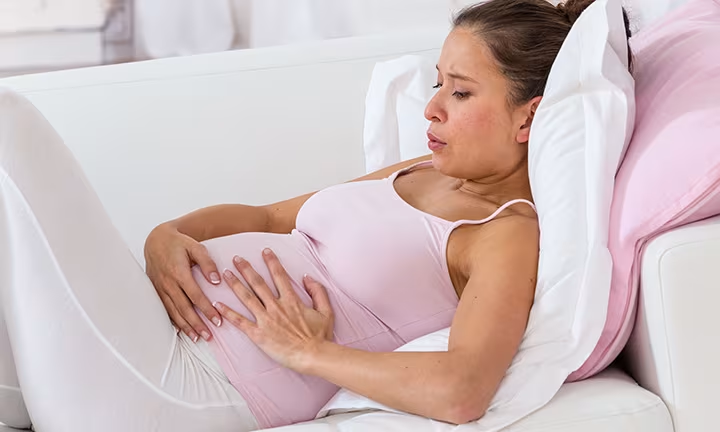
What Do Contractions Feel Like?
Contractions feel different for each woman and may differ from one pregnancy to the next. Find out what they feel like and read real parent experiences.
Read more
How to Prepare for Labor: Tips for Birth, Body, & Mind
By Leigh Lindsey
Learn how to prepare for labor with clear tips on birth plans, comfort techniques, signs of labor, exercises, and when to call your healthcare provider.
Read more
Episiotomy
Learn about episiotomy, its healing process, potential risks, and care tips. Find out what to expect and how to prepare. Read more for helpful insights!
Read more
FAQ: Vaginal Birth
Read about some of the most frequently asked questions on vaginal birth, and feel more prepared for the labor and delivery of your little one.
Read more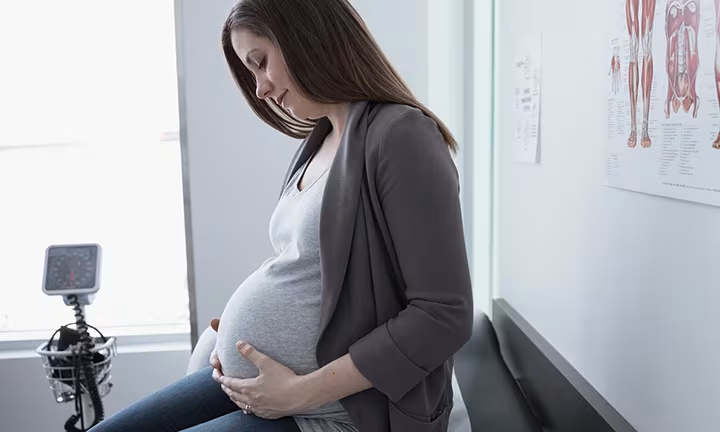
What Is an Epidural?
Discover what an epidural is, how it works, and when to get one during labor. Learn about the benefits and potential side effects. Explore your options today!
Read more
What Are Braxton Hicks Contractions and What Do They Feel Like?
Braxton Hicks are contractions that happen before actual labor. Learn more about when they normally start, what they feel like, what causes them, and more.
Read more
What Is a Mucus Plug?
If you’re curious about the mucus plug, we’ve got all the details, including what it is, what it looks like, and what it means for your pregnancy.
Read moreBreech Baby: Causes, Positions, & Delivery Options
Learn about breech baby positions, causes, and delivery options. Discover when babies turn head-down and what to do if your baby remains in a breech position.
Read moreWhat You Need to Know About Your Water Breaking
Ever wondered what it feels like when your water breaks? Read about the signs, what happens next, and when you should contact your healthcare provider.
Read moreWhen Does Your Baby Drop and How Soon After Will Labor Start?
One of the signs you’re getting ready for labor is when your baby drops. Learn what it means, when it usually occurs, and how to tell that it's happened.
Read moreWhat Do Contractions Feel Like?
Contractions feel different for each woman and may differ from one pregnancy to the next. Find out what they feel like and read real parent experiences.
Read moreHow to Prepare for Labor: Tips for Birth, Body, & Mind
By Leigh Lindsey
Learn how to prepare for labor with clear tips on birth plans, comfort techniques, signs of labor, exercises, and when to call your healthcare provider.
Read moreEpisiotomy
Learn about episiotomy, its healing process, potential risks, and care tips. Find out what to expect and how to prepare. Read more for helpful insights!
Read moreFAQ: Vaginal Birth
Read about some of the most frequently asked questions on vaginal birth, and feel more prepared for the labor and delivery of your little one.
Read moreWhat Is an Epidural?
Discover what an epidural is, how it works, and when to get one during labor. Learn about the benefits and potential side effects. Explore your options today!
Read moreJoin a World of Support
through Pregnancy and Parenthood.
TRACK WITH TOOLS
LEARN WITH EXPERTS
GET REWARDED




Where You Already Belong