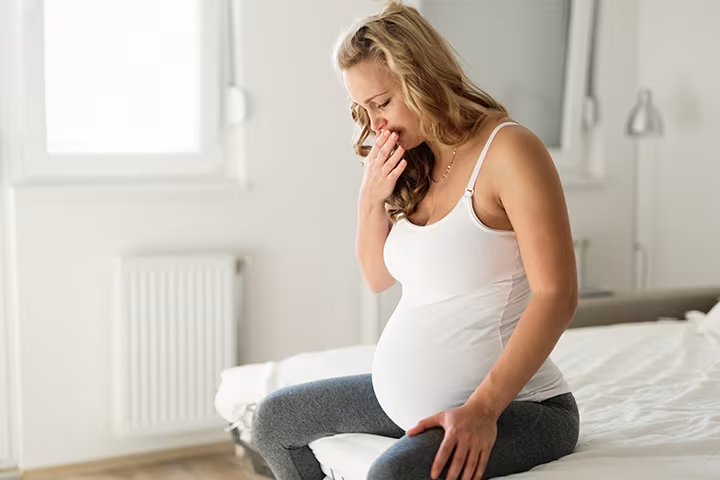
Morning Sickness: Nausea and Vomiting in Pregnancy


If you’ve been throwing up or feeling nauseous while pregnant, you’re not alone! Many pregnant people start to experience nausea and vomiting—also known as morning sickness—in the first month or two of pregnancy. Read on to find out why nausea and vomiting happen during pregnancy, when morning sickness typically starts and ends, and some helpful tips to help ease your symptoms.
What Is Morning Sickness?
Morning sickness is the nausea or vomiting that some people experience during pregnancy. Despite the name “morning” sickness, this common pregnancy symptom can occur at any time of the day.
When Does Morning Sickness Start?
Morning sickness usually starts sometime between 4 weeks and 9 weeks of pregnancy, and may be at its worst over the following month.
Keep in mind that the time when morning sickness starts may be different for each pregnant person and can even differ between pregnancies. And some pregnant people never experience morning sickness at all.
If you’re unsure how far along you are in your pregnancy, you can find out using our Due Date Calculator or by turning to your healthcare provider.
When Does Morning Sickness Peak?
If you’re wondering when morning sickness is the worst, the answer can vary from person to person. However, it’s common for nausea and vomiting to peak around weeks 8 to 10 of pregnancy.
When Does Morning Sickness End?
So, now that we’ve covered when morning sickness may start or peak, you may be wondering, “How long does morning sickness last?” According to experts, between 70 and 85 percent of pregnant people experience morning sickness in their first trimester, and most people find that their symptoms usually go away in the second trimester, sometime around 16 weeks. Every pregnancy is unique, so while the symptoms may last for up to several months for some, for a small percentage of people, symptoms may continue throughout their entire pregnancy.

Morning Sickness Symptoms
What does morning sickness feel like? Many would describe morning sickness as a nauseous feeling that may come with or without vomiting. Morning sickness can strike at any time of day. It may occur for a short period each day, come and go throughout the day, or last all day. It’s different for every pregnant person, and what you may experience during early pregnancy is unique to you.
If you have morning sickness, you may also experience loss of appetite, heartburn, reflux, or hunger pangs. You might also notice your nausea or vomiting is triggered by certain foods or smells. There is also a severe form of morning sickness known as hyperemesis gravidarum. Only about 2 percent of people with morning sickness experience this severe condition. Though no one knows what causes the condition, it's possible that people who are carrying more than one baby may be more likely to have severe nausea and vomiting than those carrying just one baby. For this type of morning sickness, your healthcare provider may prescribe medication to treat the nausea and vomiting.
What Causes Morning Sickness?
Experts aren’t quite sure what causes the nausea and vomiting associated with morning sickness, but there may be a link with the elevated levels of the pregnancy hormones hCG (human chorionic gonadotropin) and estrogen during early pregnancy.
These hormonal changes may heighten your senses, too. In other words, you may become more sensitive to certain smells, and your sense of taste may also change; for example, everything may taste sour, bitter, or simply off. Read more about pregnancy cravings and aversions.
What Helps with Morning Sickness?
Morning sickness is not enjoyable—most pregnant people can attest to that! So, if you want to know how to avoid sickness in pregnancy, or how to stop pregnancy nausea, while you can’t prevent it altogether, there are some ways to help relieve the symptoms:
These strategies may be effective in managing morning sickness and improving comfort during pregnancy. Always consult with your healthcare provider before starting any new treatment.
Morning Sickness Medication
Taking vitamin B6 supplements or doxylamine (an antihistamine found in Unisom) can help alleviate nausea. These are often recommended before trying prescription medications. Your healthcare provider may also prescribe medication to prevent nausea based on your situation.
Foods to Eat During Morning Sickness
Eating smaller, more frequent meals, snacking on salty crackers, and sipping ginger tea or ale, or sucking on ginger candy, may help relieve nausea. It may also help to eat a few dry crackers or toast first thing in the morning to help settle your stomach. If you’re really having a hard time with morning sickness, your healthcare provider may recommend switching to bland foods, such as the BRATT diet (bananas, rice, applesauce, toast, and tea), as these are easy to digest. It’s best to avoid greasy, spicy, and fatty foods during this time as these could make your symptoms worse. Some researchers have found that foods high in protein may relieve nausea better than foods high in carbohydrates. Test whether adding protein to every meal helps.
When to Call Your Healthcare Provider
Morning sickness is a normal occurrence during pregnancy; however, if you experience any of the following, call your healthcare provider:
The Bottom Line
Morning sickness can start early in your pregnancy, often between 4 and 9 weeks, and typically doesn’t last past your first trimester. However, your particular experience may be different, as each person's pregnancy is unique. Morning sickness is a very common pregnancy symptom, and it can happen any time of the day, not just in the morning. The good news is that eating things like salty crackers and drinking ginger tea throughout the day could help.
If you notice that you’re dehydrated or losing weight, or if your symptoms are particularly severe, it’s best to call your healthcare provider so that you can get treatment. Luckily, most pregnant people find that morning sickness goes away in the second trimester. In the meantime, if you’re having a hard time with morning sickness, try to see it as a good reminder that you’re creating a new life, and speak to your healthcare provider for personalized guidance and advice.
- American College of Obstetricians and Gynecologists. Your Pregnancy and Childbirth: Month to Month, 7th ed. (Washington, DC: American College of Obstetricians and Gynecologists, 2021).
- Mayo Clinic. Guide to a Healthy Pregnancy, 2nd ed. (Rochester, MN: Mayo Clinic Press, 2018).
- ACOG. “Morning Sickness: Nausea and Vomiting of Pregnancy.”
- Cleveland Clinic: Explaining the Cruel Injustice of Morning Sickness
- Cleveland Clinic. “Morning Sickness (Nausea and Vomiting of Pregnancy).”
- March of Dimes. “Morning Sickness.”
- Mayo Clinic. “Is nausea during pregnancy a good sign?
- Mayo Clinic. “Morning Sickness.”
- Mayo Clinic. “10 tips to survive nausea during pregnancy.”

Pregnancy Discharge: When Is It Normal and What Do Different Colors Mean?
Pregnancy discharge is usually normal, but it may indicate issues like infection. Know the signs and when to consult your healthcare provider.
Read more
Quickening and Fetal Movement
Wondering when you might feel your baby move for the first time? Learn more about what quickening is and all about fetal movement.
Read more
How Your Baby Bump Grows Week by Week
The first signs of a baby bump don’t typically appear until the second trimester, but read on to discover how your pregnancy belly grows and your body changes.
Read more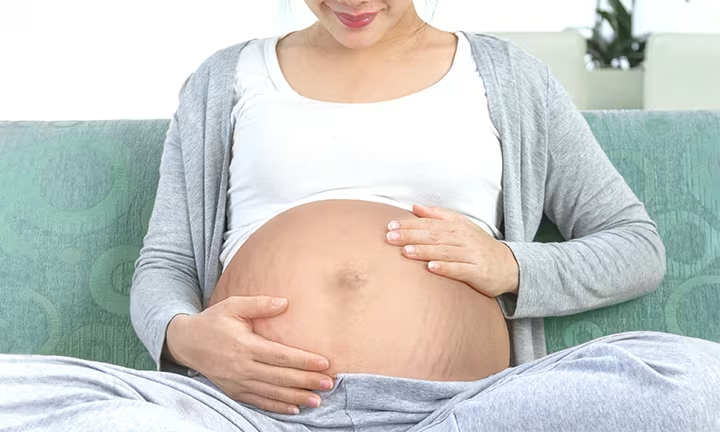
All About Stretch Marks During and After Pregnancy
As your body grows to accommodate your developing baby, you might get stretch marks. Learn what these marks are, when they may appear, and how to minimize them.
Read more
What Is Lightning Crotch During Pregnancy and What Causes It?
Lightning crotch: pregnancy's sudden jolts unraveled! Learn when it occurs, what causes it, and how to manage this discomfort with our simple guide.
Read more
I Struggled Through Hyperemesis Gravidarum Three Times and I’d Do It Again
Have you suffered with extreme nausea whilst pregnant? Read this inspiring account of how one mother motivated herself through her pregnancies.
Read more
Pregnancy Acne: Causes and Safe Treatment Options
Acne and facial breakouts during pregnancy are common. Read more about the causes of pregnancy acne, prevention strategies, and treatments you should avoid.
Read more
How to Cope With Constipation During Pregnancy
Constipation is a common symptom of the later stages of pregnancy. Learn what might cause it, when it usually starts, and discover remedies for some relief.
Read more
Back Pain During Pregnancy: Causes, Symptoms, & Relief Tips
Learn about the causes, symptoms, and relief tips for back pain during pregnancy. Find out when to contact your healthcare provider and get expert-backed strategies for comfort.
Read more
Linea Nigra: What It Is and When Does It Go Away?
By Charlotte Wool
Discover linea nigra: the natural pregnancy phenomenon of a dark vertical line on the abdomen. Learn causes, appearance, and care tips.
Read morePregnancy Discharge: When Is It Normal and What Do Different Colors Mean?
Pregnancy discharge is usually normal, but it may indicate issues like infection. Know the signs and when to consult your healthcare provider.
Read moreQuickening and Fetal Movement
Wondering when you might feel your baby move for the first time? Learn more about what quickening is and all about fetal movement.
Read moreHow Your Baby Bump Grows Week by Week
The first signs of a baby bump don’t typically appear until the second trimester, but read on to discover how your pregnancy belly grows and your body changes.
Read moreAll About Stretch Marks During and After Pregnancy
As your body grows to accommodate your developing baby, you might get stretch marks. Learn what these marks are, when they may appear, and how to minimize them.
Read moreWhat Is Lightning Crotch During Pregnancy and What Causes It?
Lightning crotch: pregnancy's sudden jolts unraveled! Learn when it occurs, what causes it, and how to manage this discomfort with our simple guide.
Read moreI Struggled Through Hyperemesis Gravidarum Three Times and I’d Do It Again
Have you suffered with extreme nausea whilst pregnant? Read this inspiring account of how one mother motivated herself through her pregnancies.
Read morePregnancy Acne: Causes and Safe Treatment Options
Acne and facial breakouts during pregnancy are common. Read more about the causes of pregnancy acne, prevention strategies, and treatments you should avoid.
Read moreHow to Cope With Constipation During Pregnancy
Constipation is a common symptom of the later stages of pregnancy. Learn what might cause it, when it usually starts, and discover remedies for some relief.
Read moreJoin a World of Support
through Pregnancy and Parenthood.
TRACK WITH TOOLS
LEARN WITH EXPERTS
GET REWARDED




Where You Already Belong