Pregnancy Diet: Best 21 Foods to Eat While Pregnant


Key Takeaways
When you’re pregnant, your eating habits become more important than ever, affecting your health, the way you feel, and, of course, your baby! Healthy pregnancy meals and snacks contain a good balance of nutrients, including protein, carbohydrates, and fats, helping to keep you well and supporting your little's one's growth and development. Read on to find out what a healthy pregnancy diet can look like, which foods best nourish you and your baby, how to plan vegetarian menus, and what your pregnancy cravings might mean.
What Is a Healthy Pregnancy Diet?
So, what should pregnant women eat to maintain a healthy pregnancy? It helps to know that a pregnancy diet is not about losing weight—the last thing you want to do is cut calories while pregnant. Additionally, the adage “eating for two” is outdated. Instead, try to focus on consuming a variety of healthful, nutrient-rich foods to support your developing baby. Generally, there are a few key principles to consider when planning a healthy pregnancy diet:
Pregnancy Weight Gain Calculator
Fill out your details:
Pregnancy Nutrition: What You Need to Eat
During your pregnancy, you’ll want to strive for a balanced diet with various nutrients, including protein, carbohydrates, fats, and key vitamins and minerals, such as folic acid, iron, calcium, and vitamin D.
One of the most essential nutrients is folic acid, which helps prevent congenital disabilities of the brain and spine, but your iron and calcium intake matters, too. Iron helps you produce more blood, which you, your developing baby, and the placenta all need. And you might already know that calcium is important for bones and teeth—those not getting enough of this nutrient might experience bone loss during pregnancy. You can get a nutritional boost from a prenatal vitamin, but a well-rounded diet may give you all you need to nourish yourself and your baby throughout pregnancy. Prenatal nutrition requirements will vary slightly from person to person. Consult your healthcare provider for advice on prenatal vitamins and whether you might need to take any extra supplements. If you’re interested in how to obtain these nutrients through diet, check out our pregnancy food chart below, a good starting point for those whose pre-pregnancy weight falls into the “normal” range. (Always work with your healthcare provider when crafting a pregnancy diet, as everybody is unique.)
| Pregnancy Food Chart | ||
|---|---|---|
| Nutrient | How much do I need? | Food sources |
| Protein | Protein is a crucial part of your pregnancy diet. Aim for about 5 or 6 ounces of protein each day. One egg is about 1 ounce, as is a ½ cup of nuts or seeds. |
|
| Complex carbohydrates | Try to get about 5 or 6 cups of carbohydrates from a mix of sources. Prioritize vegetables and whole fruits, then use grains to get the rest. |
|
| Fats and oils | As your pregnancy progresses, you’ll want to gradually increase your intake of fats and oils from around 5 teaspoons a day during the first trimester to 8 teaspoons by the end of your third trimester. |
|
| Folic acid | You’ll need about 600 micrograms of folic acid per day when pregnant. It may be tricky to get all the folic acid you need for your pregnancy diet from food sources alone, so your healthcare provider may recommend a daily prenatal vitamin. |
|
| Calcium | The recommended daily amount of calcium during pregnancy is 1,000 milligrams per day (1,300 per day if you’re younger than 19). A cup of milk contains about 300 milligrams of calcium. |
|
| Iron | You’ll need about 27 milligrams per day while you're pregnant. For example, there is about 3 milligrams of iron in 1/2 cup of boiled spinach and about 3 milligrams in 3 ounces of roasted lean beef tenderloin. |
|
| Vitamin D | For a pregnancy diet, vitamin D is essential, and you’ll need about 600 international units per day. Prenatal vitamins will likely be your primary source, which provide about 400 international units in each tablet. You can make up the rest with your diet |
|
Best 21 Foods to Eat While Pregnant
Not sure what to include in your pregnancy diet meal plan? Healthy food for your pregnancy might be a lot tastier than you think! We’ve included 21 of the best foods to eat while pregnant, whether you’re in your first trimester or the final stretch:
For more information about the amounts of these foods you might need per day in each trimester of pregnancy, download our pregnancy nutrition guide below:
Pregnancy Diet: Foods to Avoid
Besides understanding what to eat when pregnant, it’s equally essential to know what not to eat when pregnant. There are a few foods to avoid during pregnancy, as they can either impact the development of the fetus or are generally unhealthy. Here are a few foods to leave out of your pregnancy diet:
It’s always a good idea to consult your healthcare provider about any additions to this list or specific foods you personally may need to avoid. There’s a lot to think about, but for even more useful dos and don’ts, check out our guide to pregnancy.
Pregnancy Diet: Beverages
Staying hydrated is important, and you'll need to drink 8 to 12 cups of fluids daily. Water is the best option: Getting enough water can help ward off constipation, prevent your skin from getting too dry, and flush toxins and waste products from your body. Of course, water isn’t the only beverage out there, and besides wondering about what to eat when pregnant, many wonder what to drink. Here’s a brief guide on how to approach other common beverages while pregnant, including coffee, tea, alcohol, and soda:
Tips for Vegetarians and Vegans
If you’re a vegetarian or vegan, you can still get the nutrients you and your baby need. You may need to adjust your eating habits for a healthy vegetarian or vegan pregnancy diet, but plenty of nonmeat and nondairy food sources can satisfy your nutritional needs.
Pregnancy Diet Plan: How Many Extra Calories?
The amount of calories you'll need each day will increase during your pregnancy. However, prenatal nutrients needed in your first, second, and third trimester will likely stay about the same. A good approach is to eat twice as healthy rather than twice as much. So, when creating a pregnancy diet plan with healthy eating and portion balance at the forefront, heed the advice above, ignore the outdated “eating for two” adage, and consider the following calorie increases:
These general guidelines are based on someone with a body mass index (BMI) in the “normal” range. If you have questions about pregnancy weight gain, or if your BMI is considered “underweight,” “overweight,” or “obese,” it’s best to consult your healthcare provider.
Dealing With Those Quirky Hankerings
No one really knows why pregnancy cravings occur, but they’re not generally thought to be caused by food deficiencies. If anything, pregnancy hormones could be the culprit, as cravings tend to be particularly strong during the first trimester and pass after that. There’s no reason to avoid foods you crave if you eat in moderation. You might find yourself craving non-food items, such as laundry starch or clay. This is a condition called pica. If you crave nonfood items, be sure to consult your healthcare provider.
FAQS AT A GLANCE
Pregnant people with a body mass index (BMI) in the “normal” range before pregnancy should increase their calorie intake by about 340 during the second trimester and 450 in the third trimester. You have a slightly different number to reach if you're having twins (check our guide for more info)!
The Bottom Line
There’s a lot to think about when maintaining a healthy pregnancy diet, but don’t stress too much if you don’t quite hit your iron or calcium quota one day or if you’re craving ice cream and decide to treat yourself. Just try to have balanced meals and consult with your healthcare provider about how to get all those nutrients you and your baby need. We hope our guide and list of the best 21 foods to eat while pregnant will help inspire your diet during this exciting time. Feel free to get creative with your meal plans and have a little grace with yourself when cravings occur. Remember that a healthy pregnancy diet will help you bring your little one into the world!
- Book: Your Pregnancy and Childbirth: Month to Month, Sixth Edition Paperback – January 1, 2016, by American College of Obstetricians and Gynecologists (Author)
- Book: Guide to a Healthy Pregnancy, Second Edition Paperback – 2018 by Mayo Clinic, Myra J. Wick, M.D., Ph.D. (Author)
- ACOG: Healthy Eating
- Cleveland Clinic: Can You Safely Have a Vegetarian Pregnancy?
- Cleveland Clinic: Hypertension and Nutrition
- Cleveland Clinic: Pregnancy Nutrition
- Mayo Clinic: Cholesterol—Top Foods to Improve Your Numbers
- Mayo Clinic: Food to Avoid During Pregnancy
- Mayo Clinic: Improve Brain Health With the MIND Diet
- Medline Plus: Eating Right During Pregnancy
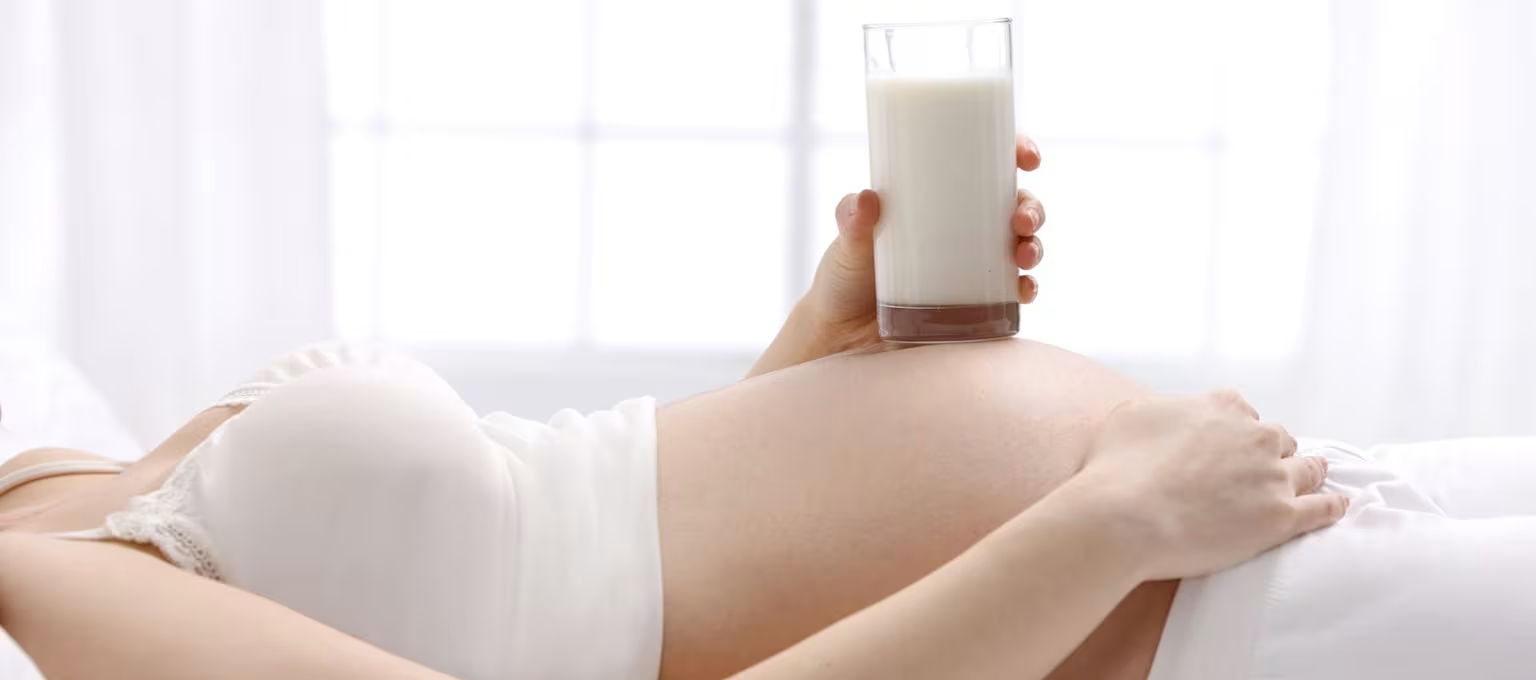
Iron and Calcium During Pregnancy
Calcium and iron are key nutrients for a healthy pregnancy. Learn about their benefits and how much you need per day.
Read more
Folic Acid During Pregnancy
Folic acid, a B vitamin, may help prevent birth defects. Learn when and how much folic acid you should be taking during your pregnancy.
Read more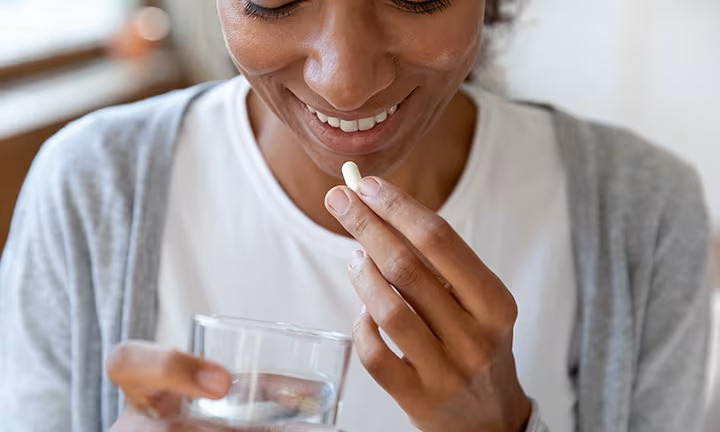
The Benefits of Prenatal Vitamins
Taking prenatal vitamins during your pregnancy may benefit you and your baby's health. Read more about iron, folic acid, vitamin D, whether you need them, possible side effects, and more.
Read more
What Not to Eat When Pregnant
What foods should you avoid during pregnancy? Learn what foods are safe and whether you can eat calamari, deli meat, eggs, and more in our helpful guide.
Read more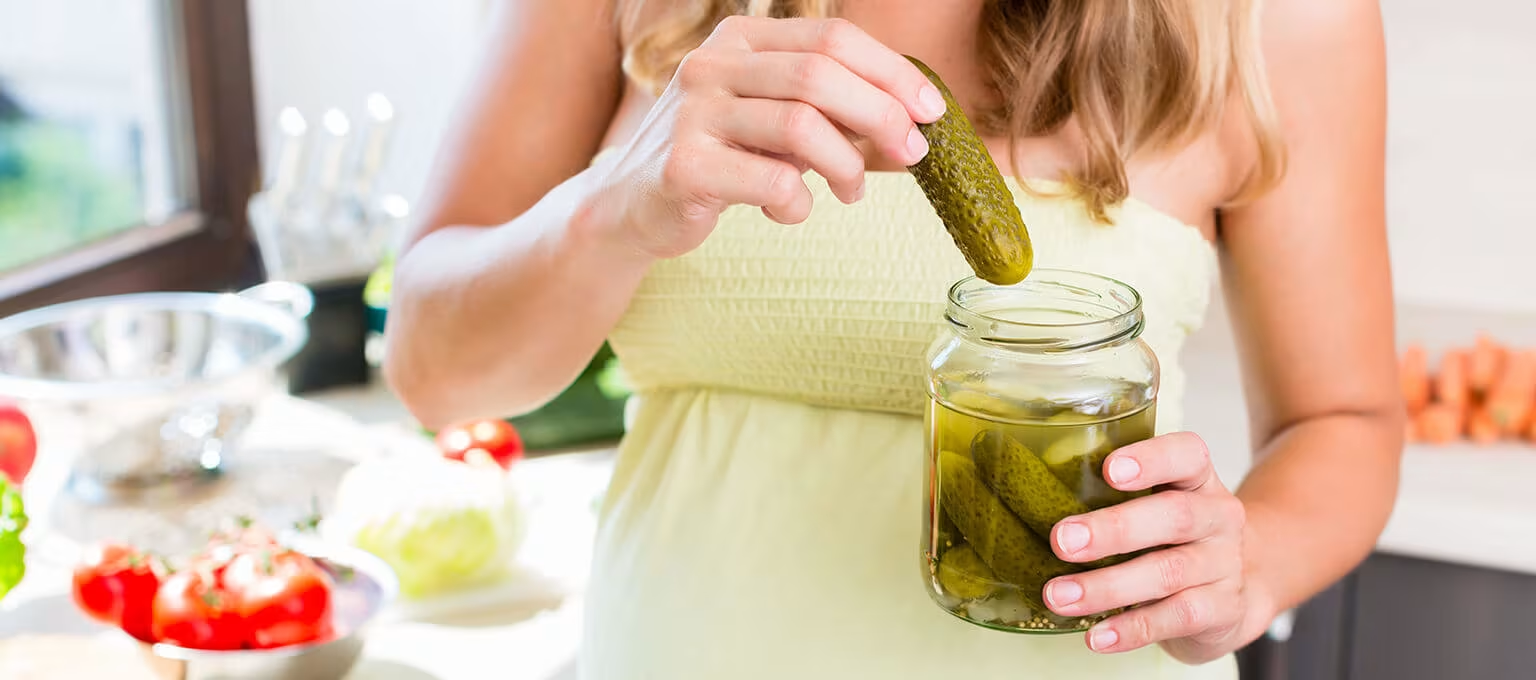
Pregnancy Cravings and Common Aversions: When Do They Start?
Most women will experience strange and unusual cravings at some point during their pregnancy. Discover ways to manage and understand your pregnancy cravings.
Read moreIron and Calcium During Pregnancy
Calcium and iron are key nutrients for a healthy pregnancy. Learn about their benefits and how much you need per day.
Read moreFolic Acid During Pregnancy
Folic acid, a B vitamin, may help prevent birth defects. Learn when and how much folic acid you should be taking during your pregnancy.
Read moreThe Benefits of Prenatal Vitamins
Taking prenatal vitamins during your pregnancy may benefit you and your baby's health. Read more about iron, folic acid, vitamin D, whether you need them, possible side effects, and more.
Read moreWhat Not to Eat When Pregnant
What foods should you avoid during pregnancy? Learn what foods are safe and whether you can eat calamari, deli meat, eggs, and more in our helpful guide.
Read morePregnancy Cravings and Common Aversions: When Do They Start?
Most women will experience strange and unusual cravings at some point during their pregnancy. Discover ways to manage and understand your pregnancy cravings.
Read moreIron and Calcium During Pregnancy
Calcium and iron are key nutrients for a healthy pregnancy. Learn about their benefits and how much you need per day.
Read moreFolic Acid During Pregnancy
Folic acid, a B vitamin, may help prevent birth defects. Learn when and how much folic acid you should be taking during your pregnancy.
Read moreThe Benefits of Prenatal Vitamins
Taking prenatal vitamins during your pregnancy may benefit you and your baby's health. Read more about iron, folic acid, vitamin D, whether you need them, possible side effects, and more.
Read moreJoin a World of Support
through Pregnancy and Parenthood.
TRACK WITH TOOLS
LEARN WITH EXPERTS
GET REWARDED



Where You Already Belong