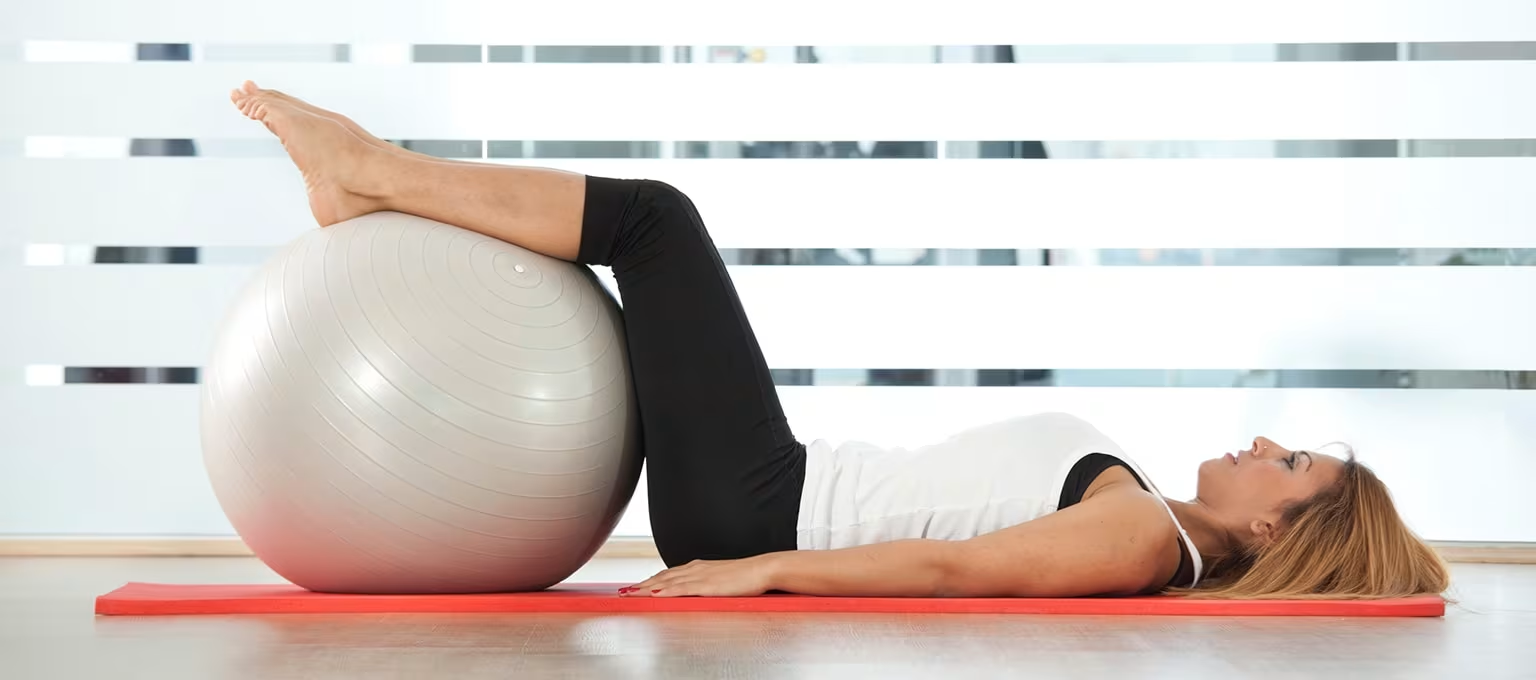
Why Kegel Exercises Are Great During and After Pregnancy


You may have heard about Kegel exercises before. But what exactly are they, and how do they work? Kegel exercises are a great (and discreet) way to strengthen the pelvic floor muscles. These muscles support your bladder, uterus, and rectum. It's beneficial to practice Kegel exercises both during and after pregnancy. Read on to learn about the benefits of Kegel exercises and how you can add them to your daily routine.
What Is Kegel Exercise?
Kegel exercise is a form of pelvic floor exercise that involves squeezing and relaxing muscles in the pelvic and genital areas. These muscles support the pelvic organs, including the bladder, uterus, small intestine, and rectum. Though swimming, walking, and running while pregnant provide great overall workouts for pregnant people, Kegel exercises during pregnancy directly benefit labor and delivery. Regular Kegel exercises during pregnancy and after you’ve given birth can help improve and maintain your bladder and bowel control by increasing the strength, endurance, and correct function of these important muscles. Kegels can be beneficial throughout life, and you might want to begin doing them during pregnancy or after your baby is born, when pelvic floor muscles often need to be strengthened.
The good news is that you don’t need to join a gym to train these muscles. Kegels can be done discreetly as a part of your daily routine.
Pregnancy Weight Gain Calculator
Fill out your details:
Benefits of Kegel Exercises for Women
The benefits of doing Kegel exercises for women ⎯ especially during pregnancy and after giving birth ⎯ include:
Strengthening the pelvic floor muscles during pregnancy also helps you develop the ability to relax and control these muscles in preparation for labor and birth. In the postpartum period, Kegels can help heal perineal tissues, which are stretched during vaginal birth.
How to Do Kegel Exercises
Kegel exercises during pregnancy, or at any point, are simple to incorporate into your daily routine. It’s all about squeezing and relaxing the same muscles you would use to stop a stream of urine.Here’s how to do Kegels:

Get comfortable. At first, you may find it easiest to practice lying down. Later on, you’ll be able to do them lying down, standing, or even while sitting.
As with all types of exercise, you will need to stick with Kegels and do them correctly to see the best results. Typically, individuals report noticing better bladder and bowel control after about 6 to 12 weeks. For continued results, make Kegels a permanent part of your daily routine.
When to Do Kegels and How Often
If you're pregnant or have just had a baby, it’s best to ask your provider before starting kegel exercises for pregnancy. During pregnancy, you may want to start in the second trimester when many pregnant people experience a much-needed energy boost. After your baby is born, you may be able to start doing Kegels within a few days of an uncomplicated vaginal birth⎯just make sure you feel ready. If you had complications during vaginal birth or had a c-section, wait until your healthcare provider gives you the all clear.
There is no set rule on how often to do Kegels. Some experts recommend doing Kegels at least twice a week, while others recommend doing them daily. There are many options in terms of how many Kegels to do and how often. For example, your healthcare provider may suggest doing 10 sets of Kegels three times per day; doing 50 squeezes throughout the day; or practicing twice a day before increasing to three times a day. With a little practice, you’ll be able to do them while you’re relaxing on the couch, waiting in line at the store, or even lying in bed. You can also contract your pelvic floor muscles before and during any situation where you might leak urine, such as when you sneeze or laugh.
Tips for Doing Kegel Exercise
To get the most out of doing your Kegels, keep these tips in mind:
The Bottom Line
Kegels are your little secret ⎯ no one will ever know when you’re working hard on your pelvic floor muscles whether during pregnancy or any other time. It can also be great for your overall physical and mental health to do other forms of pregnancy exercise, like prenatal yoga. Staying active and fit is key to getting ready for parenthood. Every little bit of movement helps!
- Cleveland Clinic: Kegel Exercises
- ACOG: Pelvic Floor Awareness
- ACOG: Pelvic Support Problems
- Mayo Clinic: Exercise after pregnancy: How to get started
- Cleveland Clinic: Exercises During Pregnancy
- ACOG: Exercise After Pregnancy
- ACOG: Committee Opinions: Physical Activity and Exercise During Pregnancy and the Postpartum Period
- Mayo Clinic: Kegel exercises: A how-to guide for women
- Cleveland Clinic: Kegel exercises
- Mayo Clinic: Exercise During Pregnancy: Safe And Beneficial
- Cleveland Clinic: Pregnancy and Bladder Control
- Women's Health: Pelvic organ prolapse
- Women's Health: Urinary incontinence
- ACOG: Urinary incontinence
- Mayo Clinic: Female pelvic floor muscles
- American Pregnancy: Kegel exercises
Prenatal Yoga: Benefits, Poses, and Tips During Pregnancy
Prenatal yoga can be a safe way to exercise during pregnancy. Read on to learn about all the benefits and how you can tailor yoga practice to each trimester.
Read more
All About Pregnancy Weight Gain
By Leigh Lindsey
Most weight gain during pregnancy is due to your developing baby, but everyone experiences it differently. Learn all about pregnancy weight gain with our guide.
Read more
Exercise During Pregnancy: Get Moving With Safe and Simple Pregnancy Exercises
Exercise during pregnancy can offer amazing benefits and help reduce some of those common aches and pains. Discover the best exercises and learn what to avoid.
Read more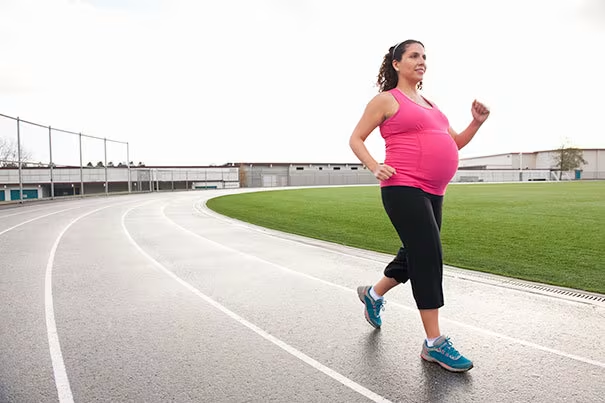
Hit the Road: Guide to Running While Pregnant
Running while pregnant can help you stay fit and blow off steam while carrying your baby. Read our list of dos and don'ts to make sure you stay safe.
Read morePrenatal Yoga: Benefits, Poses, and Tips During Pregnancy
Prenatal yoga can be a safe way to exercise during pregnancy. Read on to learn about all the benefits and how you can tailor yoga practice to each trimester.
Read moreAll About Pregnancy Weight Gain
By Leigh Lindsey
Most weight gain during pregnancy is due to your developing baby, but everyone experiences it differently. Learn all about pregnancy weight gain with our guide.
Read moreExercise During Pregnancy: Get Moving With Safe and Simple Pregnancy Exercises
Exercise during pregnancy can offer amazing benefits and help reduce some of those common aches and pains. Discover the best exercises and learn what to avoid.
Read moreHit the Road: Guide to Running While Pregnant
Running while pregnant can help you stay fit and blow off steam while carrying your baby. Read our list of dos and don'ts to make sure you stay safe.
Read morePrenatal Yoga: Benefits, Poses, and Tips During Pregnancy
Prenatal yoga can be a safe way to exercise during pregnancy. Read on to learn about all the benefits and how you can tailor yoga practice to each trimester.
Read moreAll About Pregnancy Weight Gain
By Leigh Lindsey
Most weight gain during pregnancy is due to your developing baby, but everyone experiences it differently. Learn all about pregnancy weight gain with our guide.
Read moreExercise During Pregnancy: Get Moving With Safe and Simple Pregnancy Exercises
Exercise during pregnancy can offer amazing benefits and help reduce some of those common aches and pains. Discover the best exercises and learn what to avoid.
Read moreHit the Road: Guide to Running While Pregnant
Running while pregnant can help you stay fit and blow off steam while carrying your baby. Read our list of dos and don'ts to make sure you stay safe.
Read moreJoin a World of Support
through Pregnancy and Parenthood.
TRACK WITH TOOLS
LEARN WITH EXPERTS
GET REWARDED




Where You Already Belong