How to Babyproof Your Home: Tips, Checklist, & Safety Advice




Babyproofing your home becomes essential once your little one starts crawling, standing, or exploring. Knowing how to baby-proof your house effectively means identifying and reducing hazards in every room, helping your child explore safely and confidently.
Here are some key steps to get started:
Room-by-room babyproofing—from the kitchen and bathroom to the nursery and garage—helps create a safer space for your little one to explore. Tools like childproof cabinet locks and outlet covers are helpful, but active supervision is always essential.
Below, you’ll find a practical guide on how to safely baby-proof your home, plus a complete babyproofing checklist and trusted tools to support you along the way.
What Is Babyproofing?
Having a little one at home brings plenty of joy and movement. As your baby becomes more mobile, you may start to notice just how many everyday items could pose a risk. While adults easily navigate things like hot stoves, sharp corners, or unsteady furniture, a curious baby or toddler won’t yet understand what’s dangerous.
That’s where babyproofing comes in. It's the process of spotting potential hazards and making your home safer for your child. This might mean securing furniture, using childproof cabinet locks, or blocking off certain areas. Learning how to safely baby-proof your home is an important part of supporting your child’s exploration while reducing the risk of injury.
When to Babyproof Your Home
You don’t need to wait until your little one is crawling to begin thinking about safety. Some parents start babyproofing their home during pregnancy, while others begin once the baby is born. Starting early may help ease the transition into the more mobile stages.
Once your little one starts to crawl and move about by themselves, you need to take extra steps to deal with dangerous objects and hazardous locations, because to them, the whole house looks like a playground!
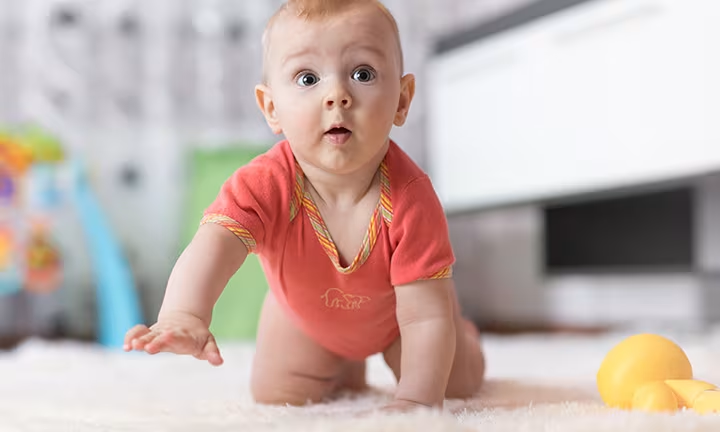
Prepare your home by babyproofing it before your baby is on the move. A good plan is to get down to your baby’s level (that’s right—crawl around on the floor!) to see what your baby sees and what could pose a hazard. As your little one grows older and becomes more active, try to anticipate where their curiosity and reach may take them.
Tips on How to Babyproof Your Home
Once your baby is on the move, your home becomes a whole new world to explore—and a few simple changes can go a long way toward creating a safer space. Learning how to babyproof your home often starts with room-by-room adjustments that address common hazards.
Here are some general babyproofing tips that apply to nearly every area of your home:
These steps can help you feel more confident as you learn how to baby-proof your house in a way that grows with your child. As your baby becomes more mobile, stay alert and flexible; child-proofing house spaces is an ongoing process.
Babyproofing the Nursery
Your baby’s room is a place for rest, play, and lots of diaper changes, so safety matters. Here are a few innovative ways to babyproof the nursery and help create a safer space:
Getting your home ready is just one step on the parenting journey. Our New Parents’ Guide is packed with helpful tips on everything from feeding and sleep to bonding and safety, to help you feel more confident every step of the way.
Babyproofing the Kitchen
The kitchen is full of tempting but risky items for a curious child, from sharp tools and breakable objects to hot surfaces and cleaning supplies. Here are some smart ways to help make this space safer:
Babyproofing the Bathroom
The bathroom might be part of your child’s daily routine, from bath time to brushing teeth, but it’s also full of potential hazards. Due to the presence of water, slippery surfaces, and cleaning products, it’s especially important to supervise your child at all times.
Here are a few ways to help make the bathroom safer:
Babyproofing the Living Room
Your living room might be the heart of your home, but it can also hold a few hidden hazards for little explorers. Here are some simple tips for babyproofing your living room:
Babyproofing the Backyard, Garage, and Car
Outdoor and storage areas can pose risks you may not think about right away. Here are a few quick ways to help keep things safer:
These quick precautions help extend your childproofing checklist beyond the home, so your little one is safer wherever you go.
Babyproofing Checklist
Check out our downloadable babyproofing checklist to help you create a safe environment for your little one at home.
Use this baby-proofing list as a starting point and adjust it based on your home layout and your baby’s stage of development. Keeping your childproofing checklist updated can help you stay ahead as your child grows and becomes more mobile.
FAQS AT A GLANCE
Many parents begin babyproofing during pregnancy or early infancy. It’s helpful to have basics in place before your baby starts crawling, usually around 6 to 10 months, so you’re ready when they begin exploring.
The Bottom Line
As your little one grows, so does their curiosity, and each stage brings new challenges and adventures. Helping to keep them safe at home begins with thoughtful baby-proofing tips that evolve as they develop.
From installing gates and childproof locks to covering outlets and anchoring furniture, the strategies we’ve shared can help reduce common hazards throughout your home. Using a simple babyproofing checklist enables you to stay on top of safety updates as your child becomes more mobile and independent.
Safety also extends beyond the home. You can explore other helpful topics, like toddler bike safety, or browse more parenting tips to support your journey.
Need help tracking your baby’s growth as they develop new skills? Try the Pampers Baby Growth Chart Calculator to see how your little one is growing compared to typical patterns.
And if you're looking to save along the way, the Pampers Rewards App offers digital deals to make parenting just a little easier.
- American Academy of Pediatrics, Caring for Your Baby and Young Child: Birth to Age 5, 7th ed. (New York: Bantam Books, 2019).
- healthychildren.org. "5 Common Household Products That Are Dangerous to Curious Toddlers."
- healthychildren.org. "Backyard Safety."
- healthychildren.org. "Bathroom Safety."
- healthychildren.org. "Childproofing Your Home."
- healthychildren.org. "Kitchen Safety."
- healthychildren.org. "Laundry Room and Detergent Safety."
- healthychildren.org. "Make Baby’s Room Safe."
- Kids Health. "Childproofing Your Home."
- Kids Health. "Household Safety: Preventing Burns and Fires."
- Kids Health. "Safety: Falls."
- womenshealth.gov. "Making Your Home Safe for Baby."
Making the Most of Being a Stay-At-Home Mom
Want to get the most out of being a stay-at-home mom? Learn how to plan your days so you can enjoy quality time with your baby and still take care of yourself.
Read more
What Is a Sip and See Party?
Sip and see parties are a fun way to introduce your new baby to friends and family. Get sip and see theme ideas, and learn the proper etiquette.
Read more
Find a Babysitter You Trust
A good babysitter provides two things that are priceless: time and peace of mind. So what's the best way to go about finding this special someone? Here, some tips to make your search successful.
Read more
18 best ways to help out a new mom
If you know new parents, you’ll know that every little bit of assistance is appreciated. Here’s our practical tips on how to help out with a newborn.
Read more
How to Make Friends as a New Mom
Discover easy ways to make friends as a new mom, from joining mom-and-baby classes to online forums, playdates, and park visits. Build your social circle today!
Read more![Smiling baby in a diaper stands on a bed holding an adult’s hands in a calm, cozy bedroom, showing gentle parenting support.]](https://images.ctfassets.net/pfeg73t23esw/6IObxc94bBKSqeyMaAgT8a/6e423508c9a7a78acd84d9e5dc0b5e29/Gentle-parenting_104_122334830_1440x680.jpg?fm=avif&w=3840&q=75)
Gentle Parenting Explained: A Calm, Kind Way to Raise Confident Kids
Curious about gentle parenting? Discover how this evidence-backed approach can help build emotional strength, better behavior, and family connection.
Read more
Non-Birthing Partners, Dads, and Newborn Bonding
By Christopher B. Peltier
Want to learn more about bonding with your newborn as a non-birthing parent? We offer insights on your important role and tips to help foster your bond.
Read more
Birth Flowers by Month: What is My Birth Flower?
Discover the charm of birth flowers by month. Discover the symbolic meanings of your baby’s birth month and add a touch of floral elegance to your celebrations.
Read more
Baby Horoscope by Date of Birth: Understand Your Baby's Zodiac Sign
Use this birth date horoscope guide to explore your baby’s zodiac sign and get a deeper understanding of their personality.
Read more
Your Essential New Parents Guide for Pregnancy, Labor, & Newborn Care
Get helpful tips on pregnancy, labor, and newborn care—all in one trusted guide for new parents. We’ll help you feel more prepared every step of the way.
Read moreMaking the Most of Being a Stay-At-Home Mom
Want to get the most out of being a stay-at-home mom? Learn how to plan your days so you can enjoy quality time with your baby and still take care of yourself.
Read moreWhat Is a Sip and See Party?
Sip and see parties are a fun way to introduce your new baby to friends and family. Get sip and see theme ideas, and learn the proper etiquette.
Read moreFind a Babysitter You Trust
A good babysitter provides two things that are priceless: time and peace of mind. So what's the best way to go about finding this special someone? Here, some tips to make your search successful.
Read more18 best ways to help out a new mom
If you know new parents, you’ll know that every little bit of assistance is appreciated. Here’s our practical tips on how to help out with a newborn.
Read moreHow to Make Friends as a New Mom
Discover easy ways to make friends as a new mom, from joining mom-and-baby classes to online forums, playdates, and park visits. Build your social circle today!
Read moreGentle Parenting Explained: A Calm, Kind Way to Raise Confident Kids
Curious about gentle parenting? Discover how this evidence-backed approach can help build emotional strength, better behavior, and family connection.
Read moreNon-Birthing Partners, Dads, and Newborn Bonding
By Christopher B. Peltier
Want to learn more about bonding with your newborn as a non-birthing parent? We offer insights on your important role and tips to help foster your bond.
Read moreBirth Flowers by Month: What is My Birth Flower?
Discover the charm of birth flowers by month. Discover the symbolic meanings of your baby’s birth month and add a touch of floral elegance to your celebrations.
Read moreJoin a World of Support
through Pregnancy and Parenthood.
TRACK WITH TOOLS
LEARN WITH EXPERTS
GET REWARDED




Where You Already Belong