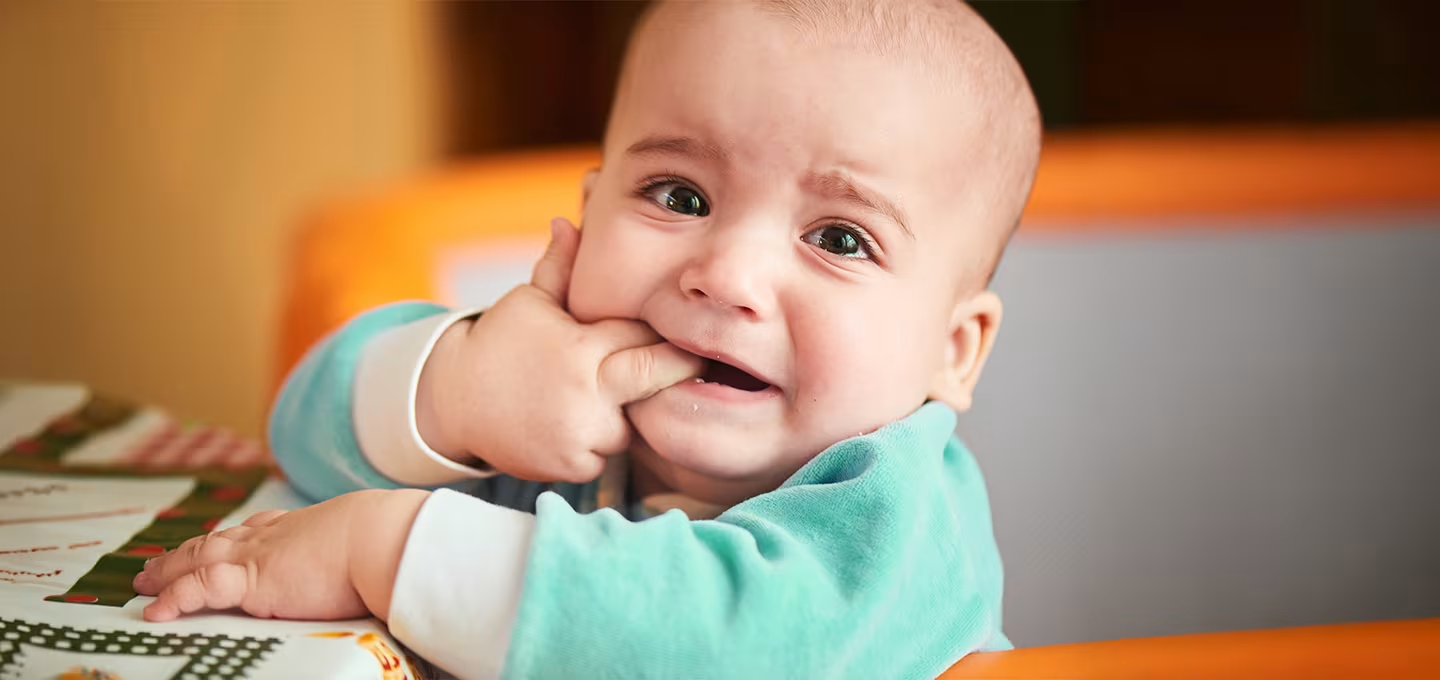
Teething Fever—Can Teething Really Cause a Fever in Babies?



Teething fever is a common concern for parents navigating their baby’s first teeth—but what’s fact and what’s myth? While teething may cause mild symptoms like swollen gums, drooling, fussiness, and a slightly elevated temperature (typically under 100.4°F), it does not cause a true fever. A temperature of 100.4°F or higher usually points to illness, not teething.
Here’s a quick guide to help you distinguish teething from something more serious:
| Symptom | Likely teething | Consult provider |
|---|---|---|
| Drooling, fussiness | ✅ | No |
| Slightly raised temp | ✅ | No |
| Fever ≥100.4°F | ❌ | Yes |
| Rash, vomiting, diarrhea | ❌ | Yes |
| Swollen gums, chewing | ✅ | No |
Safe relief methods include gum massage, chilled teething rings, and pediatrician-approved pain relievers. It’s best to avoid teething necklaces and numbing gels, which carry safety risks. Knowing the facts about fever and teething can help you stay calm and respond with confidence.
Key Takeaways
Does Teething Cause Fever?
Many parents ask, “Can teething cause a fever?” It feels like bad timing when your baby’s first tooth appears just as they run a temperature. The good news: there’s no strong medical evidence linking a “true” fever with teething.
While infant teething and fever sometimes appear together, medical experts from Mayo Clinic and the American Academy of Pediatrics (AAP) say teething does not reliably cause a significant fever (a rectal temperature of 100.4 °F / 38 °C or higher).
That means—if your baby has a fever while teething, the most likely cause is an infection or illness, not a tooth pushing through the gum.
Is My Baby Sick or Teething?
So, why do babies get fevers when teething? Teething tends to begin around 4 to 7 months, which often coincides with a baby's first colds, ear infections, or other minor illnesses—all of which may cause fever.
As your baby’s natural immunity from birth fades around 6 months, they become more susceptible to viruses and bacteria. That’s also when their curiosity grows: babies want to chew on everything, increasing their exposure to germs and the likelihood of getting ill and developing a fever.
Keep in mind that the “infant teething fever” confusion may arise simply because these milestones overlap.
Baby teeth eruption continues into toddlerhood, as most children won’t have a complete set of baby teeth until about age 3. So, a “teething fever” at night or otherwise in a toddler is still more likely linked to something else.
In Summary Baby teething does not cause a true fever. If your baby develops a high temperature while teething, it’s most likely caused by an infection or other illness. |
Can Babies Get a Low-Grade Fever When Teething?
Some parents report a low-grade fever during teething. While this can happen, it’s usually a mild increase in body temperature—and not a medical fever. Experts advise that teething temperature should not exceed 100°F (37.8°C).
If your baby’s temperature is under 100°F and they’re showing other teething symptoms, such as drooling or swollen gums, it may be due to teething. But, if you’re wondering, “Can a baby get a 103 fever from teething?” the answer is no. A fever this high is more likely caused by an illness.
Parents also ask… What temperature is considered a fever when a baby is teething? A teething baby might experience a slight increase in temperature, but a fever over 100.4°F (38°C) might indicate an illness rather than teething. How can I tell if my baby is teething or experiencing other discomforts? Look for signs such as drooling, gum rubbing, irritability, and a desire to chew on objects. These are common teething symptoms, whereas other discomforts might include congestion or a high fever, which are not typically associated with teething. |
How Long Does Fever Last While Teething?
Teething does not cause a true fever, so there is no consistent duration for how long a teething-related fever may last. If your baby has a persistent fever, it’s likely caused by something other than teething.
The best approach? Monitor your baby’s symptoms and follow up with your healthcare provider if a fever lasts longer than a day or is accompanied by other signs of illness.
How to Break a Teething Fever
If your baby has a fever (rectal temperature of 100.4°F (38°C) or higher), remember, it’s likely due to illness rather than teething. If it’s related to illness, fever relief might involve:
But if it's only teething, you can usually offer comfort through safe, home remedies—described below.
Get more tips on dealing with fever in babies in our dedicated guide.
Teething Remedies for Babies
Although your baby may not have a true fever due to teething, they may still experience discomfort. Common symptoms of teething include:
For soothing relief, explore our full guide on teething symptoms for babies. You’ll also find gentle remedies like:
As those first teeth start to pop through, it’s also a great time to check in on your little one’s growth. Use our Baby Growth Chart Calculator to track their size and celebrate each new milestone.

Baby Growth Chart Calculator
Keep an eye on your baby’s average growth by tracking height, weight, and head circumference with our simple tool.
This is a mandatory field.
This is a mandatory field.
This is a mandatory field.
This is a mandatory field.
*Input details of your baby’s last measurements. **Source: World Health Organization
When to Contact Your Healthcare Provider
While infant teething and fever may seem connected, it’s important to know when to consult your provider. Contact them if your baby:
You know your baby best. If something feels off, whether your baby is teething or not, it’s always best to seek guidance.
Parents also ask… What are the warning signs that a baby's fever requires medical attention? If a fever is persistent, above 100.4°F (38°C), or accompanied by symptoms like lethargy, a rash, or vomiting, it is important to contact your healthcare provider. Can teething affect a baby's eating and sleeping patterns? Yes, discomfort from teething may cause disruptions in eating and sleep, as babies might refuse food or have trouble settling due to gum pain. |
FAQS AT A GLANCE
Although very rare, teething may slightly raise your baby’s temperature. However, teething wouldn’t cause a temperature above 100 degrees Fahrenheit, so a fever related to teething wouldn’t be very high.
The Bottom Line
Teething really doesn’t cause fevers in babies or toddlers. Although your little one could develop a small rise in body temperature (a low-grade fever) when teething, it’s rare. A fever is typically a sign of something else, which could need medical attention. Your healthcare provider is always there to support you through these moments or when you have any questions or concerns.
As you care for your baby through teething and beyond, don’t forget—you can earn Pampers Cash on your Pampers diaper scans with the Pampers Rewards app. Download it today and start earning!
- Cleveland Clinic. Teething Doesn’t Cause Fevers — and Other Myths To Sink Your Teeth Into
- Cleveland Clinic. Teething/Teething Syndrome
- Healthy Children. Fever and Your Baby
- Healthy Children. Teething Pain Relief: How to Soothe Your Baby's Discomfort
- Kids Health. Fever (High Temperature) in Kids
- Mayo Clinic. Teething: Tips for Soothing Gums
Baby Teeth Chart: Timeline for Eruption & Care Tips
By Christopher B. Peltier
Explore our baby teeth chart to learn when teeth erupt and fall out, soothe teething pain, and care for your baby's first teeth with expert tips.
Read more
How to Soothe a Teething Baby: Natural Teething Remedies and More
Teething can be uncomfortable, and it’s difficult to watch your baby experience it. We’ve got some great tips on how you can soothe your teething baby!
Read more
When Do Babies Start Teething? Signs, Timeline, & Care Tips
By Christopher B. Peltier
Wondering when babies start teething? Learn about teething signs, how long it lasts, baby tooth care, and gentle remedies to soothe your teething baby.
Read more
Can Teething Cause Diarrhea?
By Christopher B. Peltier
Can teething cause diarrhea? Discover the connection, what’s normal, and when to seek help. Get tips on soothing your baby today!
Read moreBaby Teeth Chart: Timeline for Eruption & Care Tips
By Christopher B. Peltier
Explore our baby teeth chart to learn when teeth erupt and fall out, soothe teething pain, and care for your baby's first teeth with expert tips.
Read moreHow to Soothe a Teething Baby: Natural Teething Remedies and More
Teething can be uncomfortable, and it’s difficult to watch your baby experience it. We’ve got some great tips on how you can soothe your teething baby!
Read moreWhen Do Babies Start Teething? Signs, Timeline, & Care Tips
By Christopher B. Peltier
Wondering when babies start teething? Learn about teething signs, how long it lasts, baby tooth care, and gentle remedies to soothe your teething baby.
Read moreCan Teething Cause Diarrhea?
By Christopher B. Peltier
Can teething cause diarrhea? Discover the connection, what’s normal, and when to seek help. Get tips on soothing your baby today!
Read moreBaby Teeth Chart: Timeline for Eruption & Care Tips
By Christopher B. Peltier
Explore our baby teeth chart to learn when teeth erupt and fall out, soothe teething pain, and care for your baby's first teeth with expert tips.
Read moreHow to Soothe a Teething Baby: Natural Teething Remedies and More
Teething can be uncomfortable, and it’s difficult to watch your baby experience it. We’ve got some great tips on how you can soothe your teething baby!
Read moreWhen Do Babies Start Teething? Signs, Timeline, & Care Tips
By Christopher B. Peltier
Wondering when babies start teething? Learn about teething signs, how long it lasts, baby tooth care, and gentle remedies to soothe your teething baby.
Read moreCan Teething Cause Diarrhea?
By Christopher B. Peltier
Can teething cause diarrhea? Discover the connection, what’s normal, and when to seek help. Get tips on soothing your baby today!
Read moreJoin a World of Support
through Pregnancy and Parenthood.
TRACK WITH TOOLS
LEARN WITH EXPERTS
GET REWARDED



Where You Already Belong