
Understanding Blood in Your Baby's Diaper



Finding blood in your baby’s stool or diaper can be concerning—especially for new parents—but it’s often caused by common, manageable issues. There are several reasons you might find red or pink stains in your baby’s diaper, ranging from mild skin irritation and small anal fissures to food sensitivities or harmless color changes in stool. In most cases, these issues are temporary and not serious, but it's essential to be aware of what to look out for.
This guide explains the most common reasons for blood in a newborn’s or infant’s stool or diaper, what it typically looks like, and when it’s time to contact your baby’s healthcare provider. Understanding the difference between normal variations and signs that need medical attention can help you stay calm, confident, and informed as you care for your little one.
Key Takeaways
FAQS AT A GLANCE
Blood in your baby’s diaper could be from minor causes like an anal fissure due to constipation, or swallowing blood from a breastfeeding parent’s cracked nipples. If you’re unsure about the cause, consult your healthcare provider.
Common Reasons for Blood in an Infant’s Stool or Diaper
Seeing blood in your newborn or older baby’s stool or diaper can understandably cause concern. The causes of blood in a baby’s poop or diaper range from mild digestive irritation to less common medical conditions.
Below are the most common reasons, what it typically looks like, and when medical advice is recommended.
When Red Stool Isn’t Actually Blood
Seeing red or pink in your baby’s poop doesn’t always mean it’s blood. In some cases, changes in stool color are related to what your baby has eaten rather than true bleeding.
Once babies begin eating solid foods—typically around 6 months of age—certain foods can cause red-tinted stools that may look like blood in a baby’s diaper. Common examples include:
If your baby is younger than 6 months and not yet eating solids, red stool is less likely to be food-related and should be discussed with your baby’s healthcare provider.
These food- or supplement-related color changes are usually harmless and temporary. If your baby seems comfortable and otherwise well, the stool typically returns to its usual color on its own.
Tip
If you’re unsure whether you’re seeing blood or red food in your baby’s stool, think about recent foods, supplements, or medications and share this information with your baby’s healthcare provider for reassurance.
The right diaper can make a difference—especially during messy or sensitive moments. Take our quick quiz to find the best diaper for your baby’s needs.
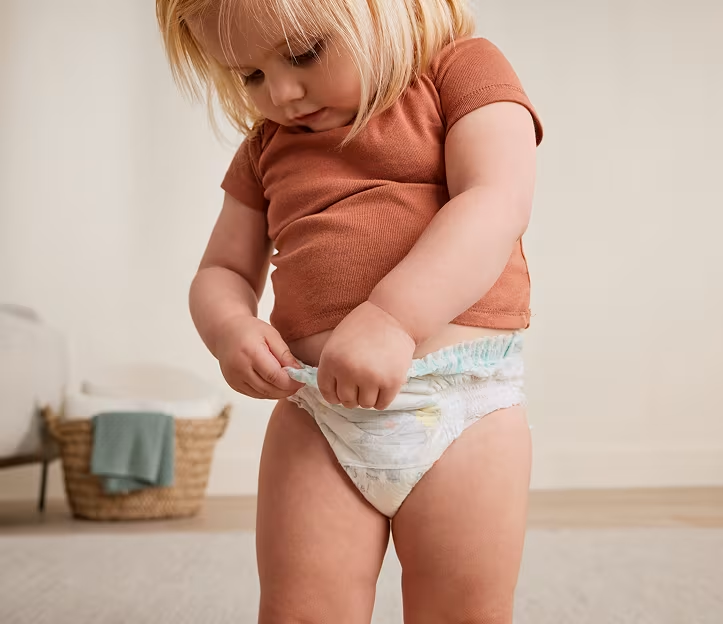
Find the perfect diaper
Every baby is unique, and so are their diapering needs. Take our quick quiz to discover the diaper that fits your little one’s stage, comfort, and lifestyle – because the right fit makes all the difference.
Tailored to your baby’s needs
Quick, fun, and stress-free
Clear recommendation + handy tips
Anal Fissure
An anal fissure is the most common reason for blood in an infant’s stool and accounts for the majority of cases of rectal bleeding in newborns, babies, and children.
This usually happens when a baby passes a firm or large stool, causing a tiny tear in the delicate skin around the anus. You may notice:
Infant constipation is often a cause of anal fissures and, therefore, blood in the stool. If your little one is experiencing hard stools, try our strategies for relieving constipation to reduce discomfort and prevent fissures.
Although seeing blood can be alarming, anal fissures are usually small, heal on their own, and are not dangerous. Keeping stools soft and the diaper area clean can help prevent recurrence.
Food Allergies
Food sensitivities—most commonly a cow’s milk protein allergy—can sometimes cause blood in an infant's stool, especially in younger and formula-fed babies.
This may appear as:
Milk protein allergy can affect both formula-fed babies and breastfed babies (through dairy in the breastfeeding parent’s diet).
If you suspect a food allergy, your baby’s healthcare provider may suggest dietary changes or a different formula. Always consult them before making feeding changes.
Swallowed Blood
If you notice blood in your breastfed baby’s stool, one possible explanation is swallowed blood.
This may occur if:
Swallowed blood can pass through the digestive system and show up as blood in a breastfed infant's stool. While usually harmless, persistent blood should be discussed with your provider.
Bacterial or Parasitic Infection
In rare cases, a bacterial infection might cause blood in the stool, or a parasitic illness may be responsible.
These infections may cause:
A urinary tract infection can cause blood in the urine, rather than the stool. If you notice blood in the diaper and your baby seems unwell, such as fever, vomiting, or abdominal pain, contact their healthcare provider immediately.
Urate Crystals
One common cause of concern in newborns is urate crystals in a diaper, which can look like pink, red, or rust-colored stains.
Urate crystals are:
They usually appear as a blood spot in a baby's diaper, but are not actually blood in the urine. Urate crystals often resolve as feeding increases and hydration improves.
You can discover more about baby pee and what to expect in our dedicated guide.
Diaper Rash
Parents sometimes ask, “Can diaper rash cause bleeding?” In some cases, yes.
Severe diaper rash can cause skin breakdown, leading to:
Keeping the diaper area clean and dry and using barrier creams may help protect irritated skin. If bleeding continues, check with your baby’s healthcare provider. You can learn more about diaper rash bleeding in our dedicated guide.
Other Severe Conditions
In rare cases, blood in a baby’s stool may indicate a more serious condition. These could include issues like intestinal inflammation, blockages, or congenital abnormalities.
Examples include:
These conditions are uncommon but may require immediate attention. If you’re concerned about persistent or significant blood in your baby’s stool, consulting your child’s healthcare provider is the best course of action.
| Parents also ask… |
|---|
What should I do first if I see blood in my baby’s diaper? Stay calm, gently clean your baby, and check their bottom for a small tear, rash, or irritation, then note the color and amount of blood and call your healthcare provider if you are unsure or if it looks more than a streak. How can I keep track of blood in my baby’s poop for the doctor? You can note how often it happens, how much there is, and what it looks like, and take clear photos of the diaper before changing. This helps your healthcare provider understand the pattern and decide what tests or checks are needed. |
Blood in a Newborn Girl’s Diaper
A brief, hormone-related “mini-period” can appear in the first days. |
If you notice blood in a baby girl’s diaper, it may not always come from the stool. In some cases, blood in a newborn's pee or a blood spot in the diaper could be mistaken for stool-related bleeding.
For female infants, it’s common to observe a small amount of blood in the diaper due to a "mini-period" or false menses. This occurs as a result of hormonal changes passed from the birth parent to the baby during pregnancy. This process is normal and indicates a healthy uterus, so there’s no cause for concern.
If you’re unsure whether the blood is from the urine, stool, or elsewhere, or if you notice persistent bleeding, consult your baby’s healthcare provider for reassurance and guidance.
Treatment for blood in your baby’s stool or diaper depends on the cause and may include:
Your baby’s healthcare provider will determine the appropriate approach based on your baby’s symptoms and overall health.
| Parents also ask… |
|---|
How do feeding changes affect blood in my baby’s diaper? Sometimes a switch in formula or a new food in the breastfeeding parent’s diet can trigger irritation or an allergy, which may show as streaks of blood and mucus. If you notice a pattern after a specific change, mention it to your healthcare provider. Are there ways to reduce the chance of seeing blood in my baby’s diaper again? Keeping your baby’s stools soft, changing diapers regularly, using gentle wipes like Pampers Sensitive Wipes, and following any allergy or feeding advice from your provider can lower the risk of irritation or small tears. Regular checkups also help catch issues early. |
When to Visit Your Healthcare Provider?
If you notice blood in your baby’s stool, it’s natural to feel concerned. While many causes, such as minor anal fissures or dietary factors, are harmless and temporary, there are times when reaching out to your healthcare provider is essential.
Consider seeking medical advice if:
The bleeding is persistent or significant
The stool appears black, tar-like, or jelly-like
Your baby shows additional symptoms like fever, vomiting, abdominal pain, or lethargy
There are signs of an allergy or infection, such as mucus in the stool or changes in feeding habits
You’re unsure of the cause, or the bleeding doesn’t resolve over time.
Your little one’s healthcare provider may evaluate the situation and, if necessary, recommend appropriate tests or treatments. Trust your instincts. If something feels off, it’s always best to consult a professional.
The Bottom Line
Small streaks can be benign—but when in doubt, call your provider. |
Finding blood in your baby's diaper can be alarming, but many causes are minor and manageable. From simple issues like constipation to more serious concerns, understanding your baby's stool, including its color and consistency, can help ease your worries. If you’re ever unsure or notice ongoing symptoms, consulting your baby’s healthcare provider is the best course of action. Being informed can provide peace of mind as you care for your child.
Don’t forget to download our free Pampers Rewards app! It helps you earn rewards on all your Pampers purchases, making it a great way to save while providing the best for your baby.
- HealthyChildren: "Milk Allergy: Foods and Ingredients to Avoid."
- HealthyChildren: "Red Stools in Children: Common Causes."
- HealthyChildren: "Symptom Viewer: Stools - Blood In."
- Healthy Children: “Infant Allergies and Food Sensitivities.”
- Healthy Children: “The Many Colors of Baby Poop.”
- La Leche League: “Poop and Pee In the Exclusively Breastfed Baby.”
- Healthy Children: Baby’s First Days: Bowel Movements and Urination

Meconium: Your Baby’s First Poop
Learn what meconium is, its composition, and how long it lasts. Understand meconium staining and aspiration syndrome (MAS) with expert medical insights.
Read more
How Many Wet Diapers Should a Newborn Have?
By Christopher B. Peltier
Wondering how many wet diapers a newborn should have? Learn day-by-day expectations and when to call your baby’s provider. Read more.
Read more
Understanding Baby Pee: Wet Diapers, Frequency, Color, and Smell
Learn all about your baby’s pee, including normal urinary frequency, why there might be a strong smell, the meaning behind different pee colors, and more.
Read more
Baby Poop: The Ultimate Guide to Colors, Texture, and Frequency
By Christopher B. Peltier
Black, green, yellow, brown, red, or gray—baby poop can come in many different colors. Find out what your baby’s poop can tell you about their health.
Read more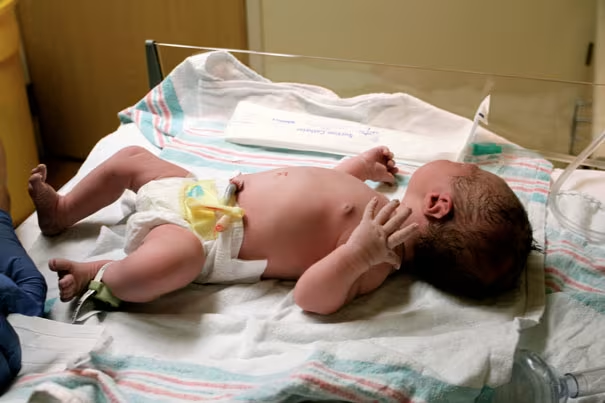
How To Put Diaper On Newborn With Umbilical Cord
Did you know that newborns might need 10 diaper changes a day? You'll get a lot of practice changing your baby and keeping the cord area clean too. Learn more about diapering and cord care.
Read more
Formula Feeding and Constipation
Wondering about formula feeding and constipation? Learn what’s normal, possible causes, and gentle tips to help your baby feel comfortable. Read more.
Read moreMeconium: Your Baby’s First Poop
Learn what meconium is, its composition, and how long it lasts. Understand meconium staining and aspiration syndrome (MAS) with expert medical insights.
Read moreHow Many Wet Diapers Should a Newborn Have?
By Christopher B. Peltier
Wondering how many wet diapers a newborn should have? Learn day-by-day expectations and when to call your baby’s provider. Read more.
Read moreUnderstanding Baby Pee: Wet Diapers, Frequency, Color, and Smell
Learn all about your baby’s pee, including normal urinary frequency, why there might be a strong smell, the meaning behind different pee colors, and more.
Read moreBaby Poop: The Ultimate Guide to Colors, Texture, and Frequency
By Christopher B. Peltier
Black, green, yellow, brown, red, or gray—baby poop can come in many different colors. Find out what your baby’s poop can tell you about their health.
Read moreHow To Put Diaper On Newborn With Umbilical Cord
Did you know that newborns might need 10 diaper changes a day? You'll get a lot of practice changing your baby and keeping the cord area clean too. Learn more about diapering and cord care.
Read moreFormula Feeding and Constipation
Wondering about formula feeding and constipation? Learn what’s normal, possible causes, and gentle tips to help your baby feel comfortable. Read more.
Read moreMeconium: Your Baby’s First Poop
Learn what meconium is, its composition, and how long it lasts. Understand meconium staining and aspiration syndrome (MAS) with expert medical insights.
Read moreHow Many Wet Diapers Should a Newborn Have?
By Christopher B. Peltier
Wondering how many wet diapers a newborn should have? Learn day-by-day expectations and when to call your baby’s provider. Read more.
Read moreJoin a World of Support
through Pregnancy and Parenthood.
TRACK WITH TOOLS
LEARN WITH EXPERTS
GET REWARDED




Where You Already Belong