What Causes Diaper Blowouts and Leaks?


Key Takeaways: What Causes Diaper Blowouts?
FAQS AT A GLANCE
It’s every parent’s nightmare—when a runny diaper mess squirts right up your baby’s back. This usually happens when the diaper is too big, too small, or incorrectly positioned. If there are gaps or if the waistband is too low, this can increase the chance of poop escaping, especially during the newborn stage when stools are often looser in consistency.
Diaper blowouts are messy, but they’re also common—especially in the newborn months when stools are often frequent and runny. If you’re wondering what causes a blowout, you're not alone. It usually comes down to a mix of poop consistency, diaper absorption, frequency of diaper changes, and how well the diaper fits around the waist and legs.
Common causes include:
Next, we’ll break down the causes of blowouts and leaks, how to spot them, and the simplest ways to prevent the next poop escape.
What Are Diaper Blowouts? Understanding the Basics
A diaper blowout (or blowout diaper, baby blowout, leaky diaper) is when poop (or pee) leaks out of the diaper—up the back, out the legs, or even through the front. You’ll also hear "newborn blowout" for those common newborn messes. Diaper blowouts usually involve soft or runny poop, meaning the diaper couldn’t contain it all. This can point to improper fit, high output, or a baby’s burst of movement.
Are Frequent Diaper Blowouts Normal?
Wondering if frequent diaper blowouts are just your baby? Not at all—daily diaper blowouts (or weekly) are common with newborns, especially those breastfeeding. Constant diaper blowouts might mean you need to double-check how a diaper should fit or switch sizes, but usually aren’t a cause for concern.
If you want to learn more about how often to change diapers, we’ve got you covered in our dedicated guide.
Tip
How many diaper blowouts are normal? Occasional blowouts are expected (a few a week can be typical), especially for breastfeeding newborns. For daily diaper blowouts that persist, consult your healthcare provider for advice.
What Causes Diaper Blowouts? Common Reasons Explained
So, why do blowouts happen? Here are the most common reasons for diaper blowouts and leaks:
Some other possible causes of diaper blowouts and leaks might include baby growth spurts and increased movement as your little one becomes more active.
In Summary
Why do babies have blowouts? Diaper size and fit, dietary factors, bowel movement frequency, and diaper absorption are generally contributing factors. Start by checking your baby's diaper size and fit to cut back on the mess!
How Pampers Swaddlers Help Prevent Blowouts
If you’re trying to minimize leaks and messy changes, Pampers Swaddlers are designed with thoughtful protection features:
With a soft, contoured fit and reliable leak protection, Pampers Swaddlers help keep messes where they belong—inside the diaper.
Common Diaper Positioning and Sizing Mistakes
As we mentioned above, diaper blowouts are commonly caused by incorrect diaper size or fit. If you’ve ever asked yourself, "How should a diaper fit?"—you’re not alone. It takes a little trial and error! Here’s what you should look for to keep your baby comfy and avoid issues like the diaper leaking from the front, from the sides, around the legs, or the dreaded diaper blowout up the back:
How to know when to go up a diaper size? If you notice red marks, the fastening tapes don't reach the center of the waistband, you can't comfortably fit two fingers under the waistband, the diaper isn't fully covering your baby's bottom, or you notice frequent diaper rash, it's probably time for a size check—babies grow faster than you think!
Take a look at our easy size and weight chart for tips on when to move up a diaper size, and how to know if the diaper is too big or too small—all crucial for stopping diaper leaks and blowouts!
Not sure your baby’s diaper is the right fit? The right size means fewer leaks and more comfort. Take our quick quiz to find their perfect match.
Find the perfect diaper
Every baby is unique, and so are their diapering needs. Take our quick quiz to discover the diaper that fits your little one’s stage, comfort, and lifestyle – because the right fit makes all the difference.
Tailored to your baby’s needs
Quick, fun, and stress-free
Clear recommendation + handy tips
Parents also ask…
Are blowouts more common in certain stages?
Yes, blowouts often occur during growth spurts, potty training transitions, or when your baby is very active, and diapers can’t keep up with movement or volume.
Why does my newborn keep peeing through the diaper?
Newborns may pee frequently and in large amounts. Leaks can happen if the diaper is too small, not absorbent enough, or positioned incorrectly.
Why Nighttime Blowouts Happen (and How to Prevent Leaks Overnight)
Dealing with diaper leaks and blowouts at night always seems more overwhelming than daytime messes. The good news? Nighttime diaper leaks are common, and they usually happen for a few simple reasons:
Tip
If you’re wondering how to stop diaper leaks at night, simple adjustments—like checking the fit, sizing up if needed, or choosing a more absorbent overnight diaper like Pampers Zzz—may help reduce diaper leaks and prevent leaking through the diaper at night.
Remember, most leaks are often a sign your baby is growing and sleeping longer—not a sign you’re doing anything wrong.
Quick Tips for Preventing Blowouts and Leaks
Here are a few tips to help prevent blowouts and make diapering easier and more comfortable for you and your baby:
For more tips to help prevent diaper blowouts and leaks, check out our dedicated guide.
Parents also ask…
How often should I check my baby’s diaper to prevent blowouts?
Checking diapers every 2–3 hours, or more often during heavy feeding or overnight, helps prevent leaks and reduces the chance of blowouts.
Can teething cause more diaper leaks?
Teething can sometimes increase stool frequency or looseness, which may lead to more frequent blowouts.
When to Contact Your Healthcare Provider
Most blowout diapers are just a messy moment, and it’s usually due to diaper sizing or positioning. But if things seem off with your little one, don’t hesitate to contact your healthcare provider. Contact your provider if:
What’s “normal” changes as your baby grows—you can always check our baby poop guide or, better still, reach out to your provider if you’re worried about the causes of frequent diaper blowouts.
The Bottom Line
Here’s the truth: Diaper blowouts are often a rite of parenting passage. The best news? Most blowouts don’t last long, and with regular diaper fit checks, frequent changes, and a bit of patience, you can help make them more manageable.
If the messes just keep coming or your baby seems uncomfortable, don’t hesitate to call your healthcare provider for guidance. You’ve got this—even on those extra messy days! For more tips and exclusive rewards on all those diapers your little one is using, download the Pampers Rewards app.
How to Save on Diapers Without Compromising Quality
Want to save on diapers without compromising quality and comfort? We’ll provide some tips on how to make diapering more affordable.
Read more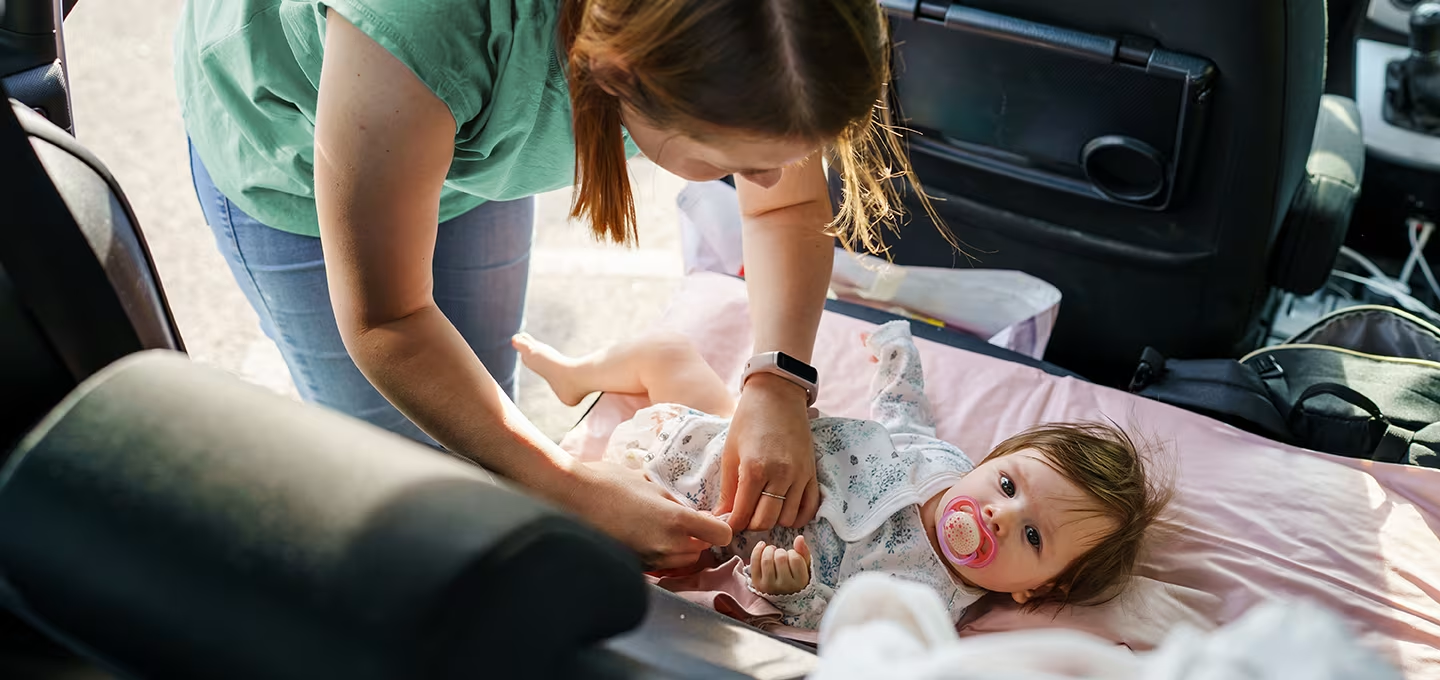
How to Change a Diaper in Different Scenarios: Practical Tips for Smooth Changes
Learn about changing a diaper in different scenarios with practical tips for smooth changes. Make diapering stress-free!
Read more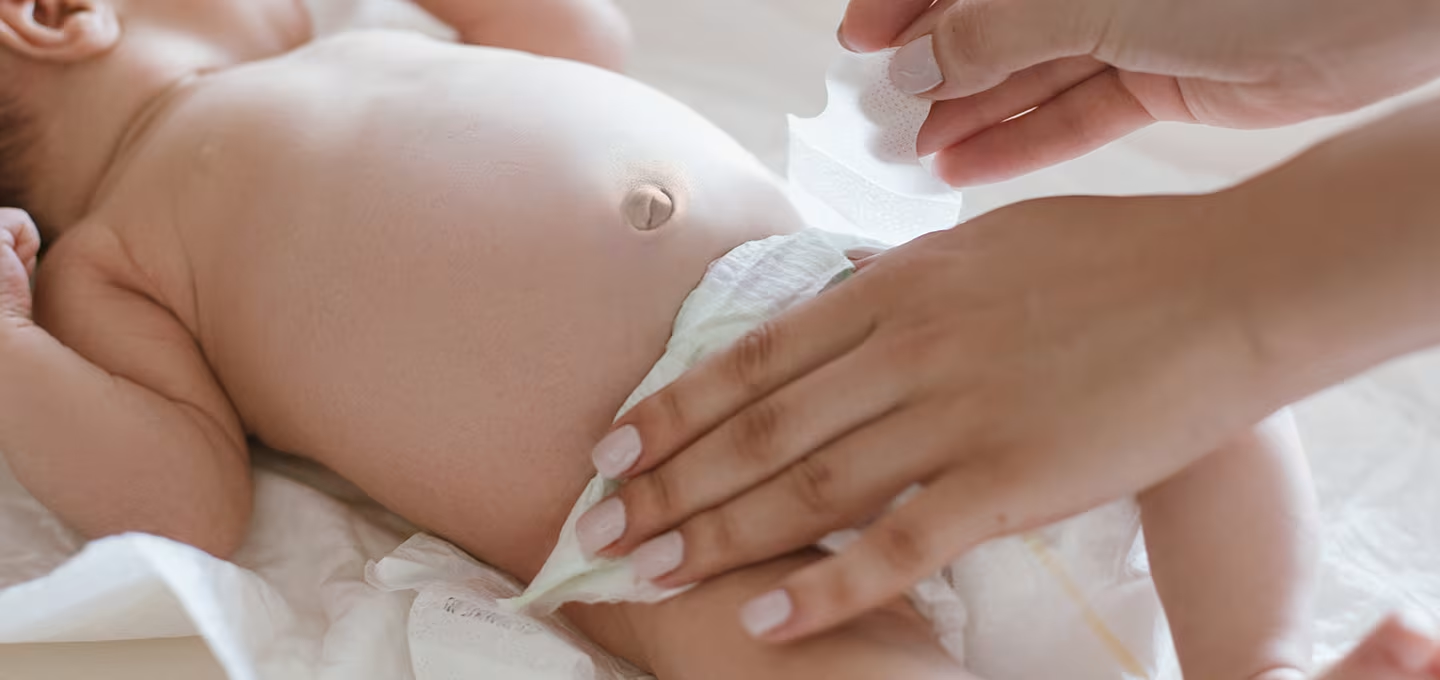
How Often to Change a Newborn's Diaper: What to Know
By Christopher B. Peltier
Learn how often to change your newborn’s diaper, when to change at night, and whether to change before or after feedings—plus tips to keep baby comfy.
Read more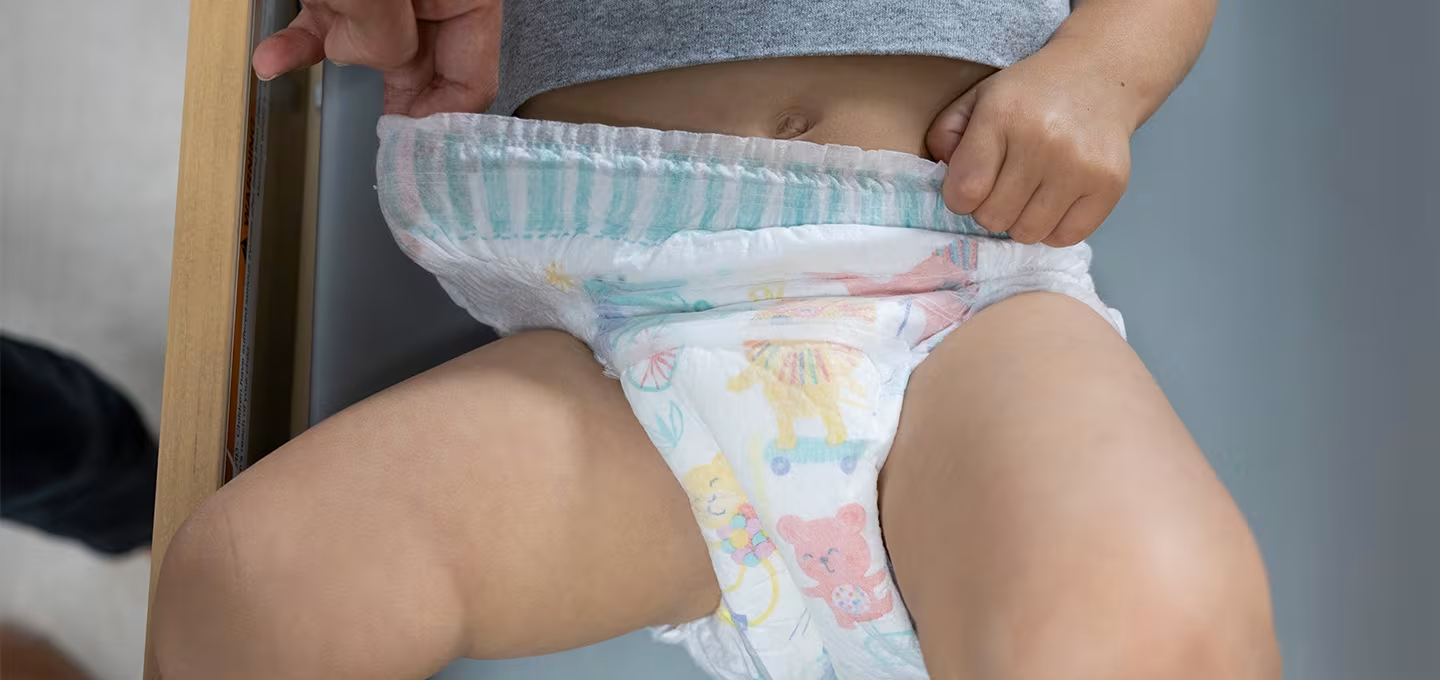
How to Prevent and Handle Diaper Blowouts
By Christopher B. Peltier
Learn how to prevent diaper blowouts with the right fit, absorbency, and diaper size. Get expert tips to stop leaks and keep your baby clean and comfortable.
Read more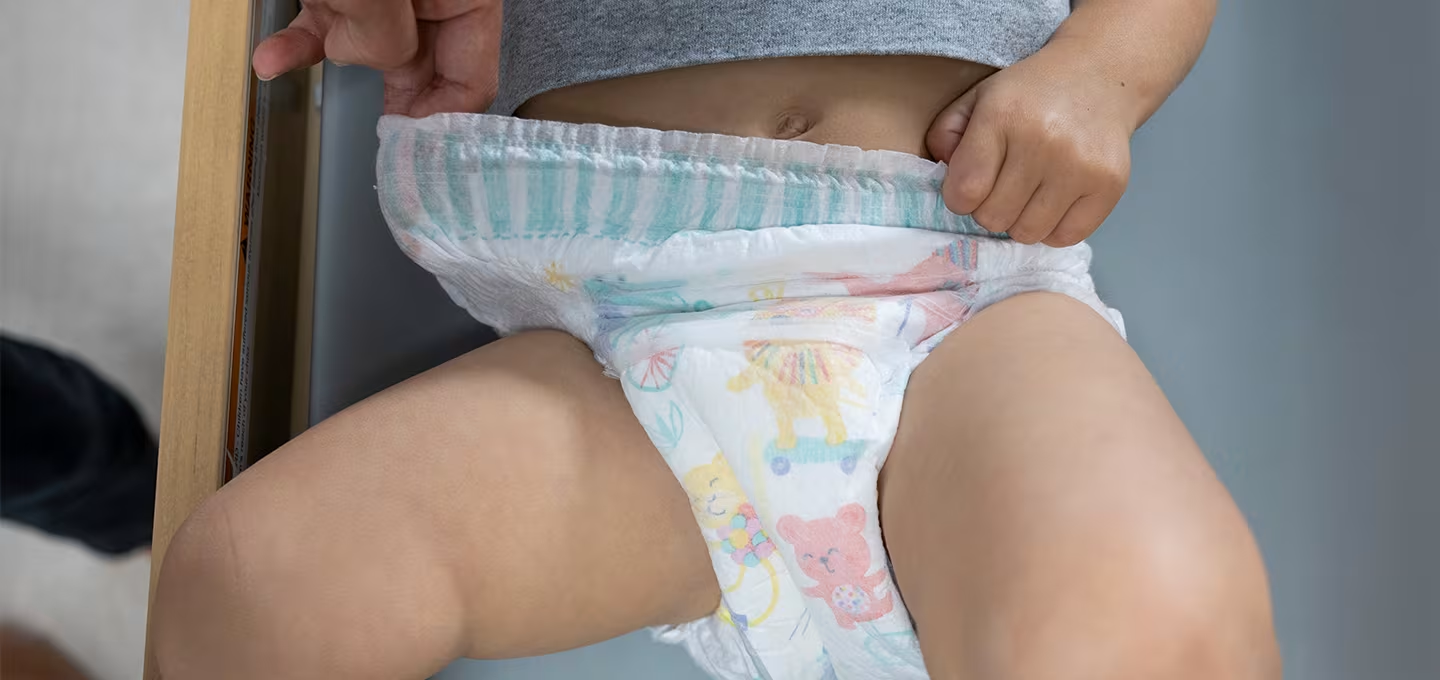
How to Prevent Diaper Blowouts and Leaks
Learn how to prevent diaper blowouts and leaks with expert tips on sizing, fit, overnight protection, and the best diapers for blowout protection.
Read more
How to Change a Diaper: Your Step-by-Step Guide
By Christopher B. Peltier
Learn how to change a diaper with our expert step-by-step guide. Discover safety tips, supplies needed, and specific techniques for newborns, boys, and girls.
Read moreHow to Save on Diapers Without Compromising Quality
Want to save on diapers without compromising quality and comfort? We’ll provide some tips on how to make diapering more affordable.
Read moreHow to Change a Diaper in Different Scenarios: Practical Tips for Smooth Changes
Learn about changing a diaper in different scenarios with practical tips for smooth changes. Make diapering stress-free!
Read moreHow Often to Change a Newborn's Diaper: What to Know
By Christopher B. Peltier
Learn how often to change your newborn’s diaper, when to change at night, and whether to change before or after feedings—plus tips to keep baby comfy.
Read moreHow to Prevent and Handle Diaper Blowouts
By Christopher B. Peltier
Learn how to prevent diaper blowouts with the right fit, absorbency, and diaper size. Get expert tips to stop leaks and keep your baby clean and comfortable.
Read moreHow to Prevent Diaper Blowouts and Leaks
Learn how to prevent diaper blowouts and leaks with expert tips on sizing, fit, overnight protection, and the best diapers for blowout protection.
Read moreHow to Change a Diaper: Your Step-by-Step Guide
By Christopher B. Peltier
Learn how to change a diaper with our expert step-by-step guide. Discover safety tips, supplies needed, and specific techniques for newborns, boys, and girls.
Read moreHow to Save on Diapers Without Compromising Quality
Want to save on diapers without compromising quality and comfort? We’ll provide some tips on how to make diapering more affordable.
Read moreHow to Change a Diaper in Different Scenarios: Practical Tips for Smooth Changes
Learn about changing a diaper in different scenarios with practical tips for smooth changes. Make diapering stress-free!
Read more