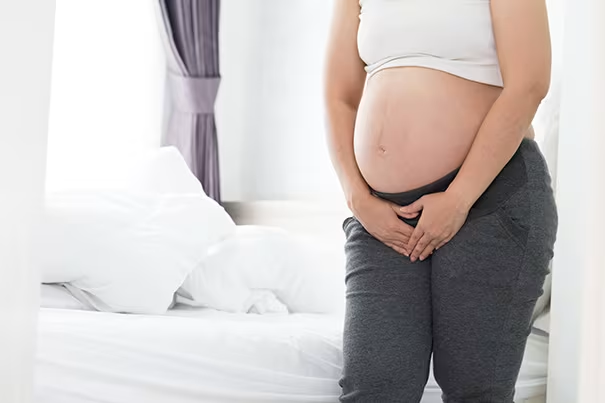
How to Deal With Frequent Urination in Pregnancy


You may be wondering whether peeing a lot is a sign of pregnancy or whether this urge to pee so often will ever go away. Frequent urination during pregnancy is a common early pregnancy symptom, but it can also reappear later on during pregnancy as your uterus and baby grow, putting pressure on your bladder. Although it can definitely be annoying, in most cases, it’s nothing to worry about. Read on to find out what causes frequent urination in pregnancy, when frequent urination starts in pregnancy, get some tips to help you manage it, and learn the signs that indicate it may be linked to another condition, like a urinary tract infection.
What Causes Frequent Urination During Pregnancy?
The increased blood volume in your body often makes you need to pee more. Your kidneys process this extra blood flow by producing additional fluids, which then fill your bladder. Even though frequent urination can be annoying during pregnancy, it's a normal and common symptom. Here are some frequently asked questions about it:
Tips to Manage Peeing Often While Pregnant
It's tough to avoid frequent urination during pregnancy, but that's okay! It's simply your body's way of staying hydrated and healthy as you drink more fluids. Here are some tips to make things a bit easier:

Can Pregnancy Peeing Be a Sign of a Problem?
More frequent urination pregnancy is usually a normal pregnancy symptom. However, sometimes it can be a sign of a medical condition that may require treatment by your healthcare provider. These conditions include:
The Bottom Line
Frequent urination during early pregnancy is common and usually nothing to worry about. Although it may feel as if you are peeing all the time, keep in mind that it may ease up for a time, before returning later on. Once your baby is born, your urge to pee more often should go away, and you’ll only have your newborn’s pee to worry about!
While you're here, now might be a good time to download the Pampers Rewards app to earn rewards and discounts on all your Pampers purchases.

Pregnancy Discharge: When Is It Normal and What Do Different Colors Mean?
Pregnancy discharge is usually normal, but it may indicate issues like infection. Know the signs and when to consult your healthcare provider.
Read more
Quickening and Fetal Movement
Wondering when you might feel your baby move for the first time? Learn more about what quickening is and all about fetal movement.
Read more
How Your Baby Bump Grows Week by Week
The first signs of a baby bump don’t typically appear until the second trimester, but read on to discover how your pregnancy belly grows and your body changes.
Read more
All About Stretch Marks During and After Pregnancy
As your body grows to accommodate your developing baby, you might get stretch marks. Learn what these marks are, when they may appear, and how to minimize them.
Read more
What Is Lightning Crotch During Pregnancy and What Causes It?
Lightning crotch: pregnancy's sudden jolts unraveled! Learn when it occurs, what causes it, and how to manage this discomfort with our simple guide.
Read more
I Struggled Through Hyperemesis Gravidarum Three Times and I’d Do It Again
Have you suffered with extreme nausea whilst pregnant? Read this inspiring account of how one mother motivated herself through her pregnancies.
Read more
Pregnancy Acne: Causes and Safe Treatment Options
Acne and facial breakouts during pregnancy are common. Read more about the causes of pregnancy acne, prevention strategies, and treatments you should avoid.
Read more
How to Cope With Constipation During Pregnancy
Constipation is a common symptom of the later stages of pregnancy. Learn what might cause it, when it usually starts, and discover remedies for some relief.
Read more
Back Pain During Pregnancy: Causes, Symptoms, & Relief Tips
Learn about the causes, symptoms, and relief tips for back pain during pregnancy. Find out when to contact your healthcare provider and get expert-backed strategies for comfort.
Read more
Linea Nigra: What It Is and When Does It Go Away?
By Charlotte Wool
Discover linea nigra: the natural pregnancy phenomenon of a dark vertical line on the abdomen. Learn causes, appearance, and care tips.
Read morePregnancy Discharge: When Is It Normal and What Do Different Colors Mean?
Pregnancy discharge is usually normal, but it may indicate issues like infection. Know the signs and when to consult your healthcare provider.
Read moreQuickening and Fetal Movement
Wondering when you might feel your baby move for the first time? Learn more about what quickening is and all about fetal movement.
Read moreHow Your Baby Bump Grows Week by Week
The first signs of a baby bump don’t typically appear until the second trimester, but read on to discover how your pregnancy belly grows and your body changes.
Read moreAll About Stretch Marks During and After Pregnancy
As your body grows to accommodate your developing baby, you might get stretch marks. Learn what these marks are, when they may appear, and how to minimize them.
Read moreWhat Is Lightning Crotch During Pregnancy and What Causes It?
Lightning crotch: pregnancy's sudden jolts unraveled! Learn when it occurs, what causes it, and how to manage this discomfort with our simple guide.
Read moreI Struggled Through Hyperemesis Gravidarum Three Times and I’d Do It Again
Have you suffered with extreme nausea whilst pregnant? Read this inspiring account of how one mother motivated herself through her pregnancies.
Read morePregnancy Acne: Causes and Safe Treatment Options
Acne and facial breakouts during pregnancy are common. Read more about the causes of pregnancy acne, prevention strategies, and treatments you should avoid.
Read moreHow to Cope With Constipation During Pregnancy
Constipation is a common symptom of the later stages of pregnancy. Learn what might cause it, when it usually starts, and discover remedies for some relief.
Read moreJoin a World of Support
through Pregnancy and Parenthood.
TRACK WITH TOOLS
LEARN WITH EXPERTS
GET REWARDED




Where You Already Belong