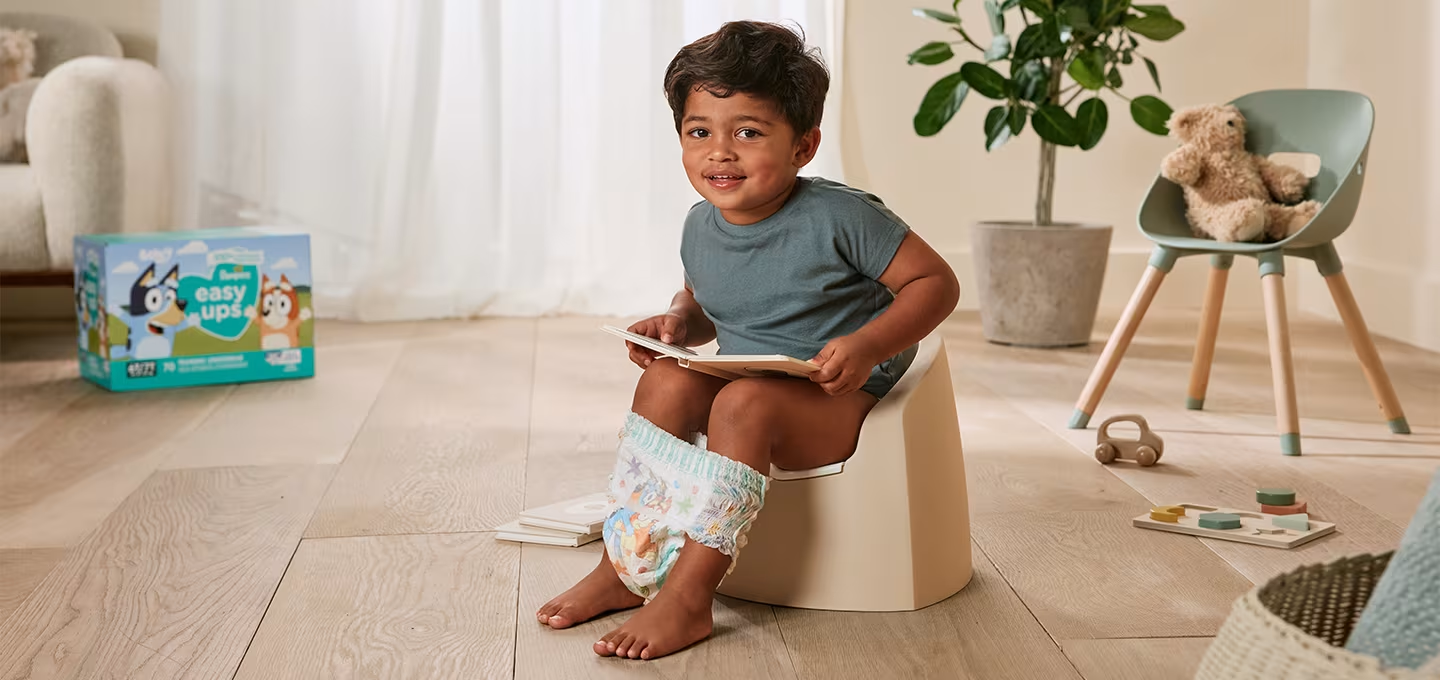
Your Guide to Potty Training Boys


Key Takeaways
Potty training boys may feel like a daunting milestone, but the right approach can help make it a smoother experience. The key to potty training success lies in timing, patience, and simplifying the process. Many boys show readiness sometime between 18 months and age 3, and starting too early often makes the process take longer. Look for physical and emotional signs (not just age), begin with peeing sitting down, and keep things positive and low-pressure.
Now let’s break down exactly when to start, what to buy, and step-by-step methods that work.
When to Start Potty Training Boys
If you’re wondering what age to start potty training a boy, there’s actually no right age; it all depends on each child and when they show signs of readiness.
The average age for potty training is usually between 18 and 24 months, but it’s also completely fine to potty train a boy at 3 years old. Contrary to popular belief, the best age to start potty training your little one isn’t actually about age but a combination of physical and developmental factors.
So, if you’re wondering when to potty train your little boy, look out for signs that say they’re ready.
Here are a few telltale signs:
If your little boy shows most of these signs, you can confidently begin potty training him. However, don’t worry if he isn’t ready yet. Now may not be the best time, and you could always try again later.
Give it a couple of weeks, and remember that you need time and patience to successfully potty train a boy, regardless of which potty training method you choose. Try to avoid having a hurried approach, as this will only make potty training more difficult.
Tip
Remember that potty training boys requires you to follow their lead. Look for cues that say your little boy might be ready for potty training, and then take the leap. Offer words of encouragement and find ways to make potty training fun for your little one.
How to Potty Train a Boy: Step-by-step
If you’re wondering how to potty train a boy, you’re not alone. Potty training is a big milestone for your toddler—and for you. You may want to explore different potty training methods to find the best fit for your little one and your family, or perhaps you’re pressed for time and considering the three-day potty-training method. We recommend choosing a gradual approach to potty training over time. The key is to practice patience, consistency, and positive reinforcement throughout the potty-training process.
Once you’ve chosen a potty training method, you can create a strategy that best helps you implement this method.
Remember that your role is to support your little boy through this new and challenging experience, guiding him toward success.
Here’s a step-by-step guide to make the journey a little easier:
Step 1: Know When to Start
Before diving into how to potty train a toddler, look for signs that your child is ready. The section above lists the common signs of potty training readiness, including staying dry for at least two hours and showing an interest in the toilet or potty.
If you’re asking, “How old can you start potty training?” Many toddlers begin around age 2, but some are ready earlier and others closer to age 3. For example, how to potty train a 2-year-old boy may look different from how to potty train a 3-year-old boy, especially if your older toddler is seeking more independence.
If you’re unsure, your toddler’s healthcare provider can offer guidance tailored to your child.
Step 2: Prepare Before You Begin
Preparation can make a big difference when potty training.
Step 3: Start With Sitting First
When learning how to potty train boys, it’s usually easiest to begin with sitting down for both urination and bowel movements.
The AAP recommends teaching boys to urinate sitting down at first. Once they’ve mastered bowel movements and bladder control, they can transition to standing if they’re interested.
You can:
Avoid forcing your child to sit if they resist. Keeping the experience positive helps prevent setbacks.
Step 4: Create a Simple Routine
Consistency is key when figuring out how to potty train a boy successfully.
Try these routine-building tips:
If accidents happen—and they will—stay calm. Avoid punishment or shaming, which can create anxiety around toileting. Gently remind your child that next time they can use the potty.
Step 5: Use Encouragement and Positive Reinforcement
Positive reinforcement goes a long way.
You might:
Keep rewards simple and focused on effort rather than perfection.
Step 6: Transition to Underwear or Training Pants
Once your child starts having more frequent successes, you can introduce underwear or disposable training pants. This step can build confidence while still offering a little backup during accidents—which are completely normal.
Many parents find that potty training pants for boys help bridge the gap between diapers and underwear. Unlike diapers, boys' potty training pants are designed to feel more like real underwear, which may help your toddler recognize when they’re wet and connect that feeling to using the potty next time.
If you’re searching for potty training pants boy options that truly support independence, Pampers Easy Ups are designed with your toddler’s developmental stage in mind. During potty training, your child is learning to recognize body signals, act quickly, and manage clothing on their own. The right training pants can make that process feel more manageable—and more empowering.
Pampers Easy Ups feature a soft, underwear-like design that helps your child feel like they’re wearing “big kid” underwear while still providing reliable protection for accidents. The 360-degree stretchy waistband makes them easy to pull up and down, which is especially helpful during those urgent, just-in-time potty runs. Explore more about Pampers Easy Ups and how they can support your routine.
When looking for the best potty training pants for boys, Pampers Easy Ups offer:
Whether you’re using boys’ potty training pants during the day, at night, for outings, or at preschool, having a dependable option like Pampers Easy Ups can make the transition from diapers to underwear feel less stressful—for both you and your toddler.
Step 7: Make the Potty Accessible
To reinforce independence:
Encourage handwashing after each attempt. Modeling this yourself helps reinforce the habit.
Step 8: Prepare for Nighttime Training Later
Daytime dryness usually comes before nighttime dryness. Nighttime bladder control can take longer and is often linked to physical development.
You may choose to:
Nighttime training may take months—or longer—and that’s OK.
Step 9: Handle Setbacks With Patience
Illness, travel, or big changes—like starting preschool—can lead to temporary regressions.
If your child resists or has frequent accidents:
Potty training regression is common and doesn’t mean your child won’t succeed.

Common Mistakes When Potty Training a Boy
Potty Training Tips for Boys
Here are some helpful tips for potty training boys:
| Parents also ask... |
|---|
Can boys skip diapers completely during potty training? How can I involve older siblings or family members in potty training? |
When Can Boys Go to the Potty Standing Up?
Many parents wonder, “Do you potty train boys sitting or standing?” The short answer: Most experts recommend starting with sitting.
When it comes to potty training boys sitting or standing, it’s typically easier to begin with sitting down for both urination and bowel movements. Sitting helps your toddler fully relax their pelvic muscles and focus on learning one skill at a time—recognizing the urge to go and getting to the potty in time.
Once your child has mastered passing bowel movements in the potty, staying dry during the day, and understands how their body signals the need to urinate, you can introduce standing if they show interest.
There’s no exact age when boys “should” stand to urinate. Some may be curious around age 2 or 3, especially if they observe an older sibling or parent. Others may prefer sitting longer—and that’s perfectly OK. The AAP emphasizes that readiness and comfort matter more than age alone.
When transitioning to standing:
How Long Does It Take to Potty Train A Boy?
The potty training process doesn’t have a set timeline, as each child is different. Generally speaking, potty training takes between 3 and 6 months, but it could even be longer or shorter, depending on various factors.
Starting the process too soon or when your child isn’t ready might prolong potty training. You may also find that potty training children with an older sibling is quicker because they can learn by imitation.
Are Boys Harder to Potty Train Than Girls?
It’s common to wonder if boys or girls are easier to potty train. The honest answer is: it depends on the child.
According to the American Academy of Pediatrics (AAP), children reach potty-training readiness at different ages based on their individual development—not strictly their gender. Some parents feel boys take a little longer, while others find no difference at all.
Remember that temperament, readiness signs, and consistency tend to matter more than whether your child is a boy or a girl.
Every toddler moves at their own pace. With patience and encouragement, most children learn this skill in time. If you have concerns about your child’s progress, your toddler’s healthcare provider can offer reassurance and guidance tailored to your situation.
What If Potty Training Isn’t Working?
If you’re wondering how to potty train a boy who refuses, you’re not alone. It can feel frustrating when progress stalls—especially if your child seemed ready at first.
Resistance is common and often signals that a child may not be fully ready or is feeling pressured. For example, if you’re potty training a 3-year-old boy who refuses, it doesn’t mean you’ve done anything wrong.
The first step may actually be to pause. If a child strongly resists potty training, taking a break for a few weeks can help reduce stress and power struggles. Then, reintroduce the potty in a relaxed, low-pressure way.
You might:
Consider what might be going on. If your 3-year-old boy is not potty trained yet, ask yourself:
Sometimes emotional changes or physical discomfort can slow progress. If your child avoids bowel movements, seems in pain, or withholds stool, consult your toddler’s healthcare provider for guidance.
When to contact your healthcare provider: The AAP emphasizes that children develop at different rates. However, if your child is older than 4 and not making progress, or if you notice signs of constipation or distress, it’s a good idea to consult your child’s healthcare provider.
Most importantly, try to keep the tone calm and encouraging. Potty training is a developmental milestone—not a race. With time, support, and patience, your child will get there.
| Parents also ask... |
|---|
How long should I wait before reintroducing potty training after a setback? How do I help a shy or anxious boy feel comfortable on the potty? |
FAQS AT A GLANCE
Start when your child shows readiness signs, such as staying dry for longer periods or showing interest in the bathroom. Begin with sitting down on the potty, keep a consistent routine, and use positive reinforcement. Stay calm during accidents and avoid pressure—patience and encouragement can make the process smoother.
The Bottom Line
Potty training a boy is a milestone that’s both exciting and challenging. But worry not; with a few tips and extra attention to your child’s signs of readiness, you’ll be able to achieve this big step in no time. Remember to practice patience, creativity, and positive reinforcement throughout the process. If you think your little boy isn’t ready for potty training, simply try again later.
- Healthy Children. “Choosing a Potty.”
- Healthy Children. “Emotional Issues and Potty Training Problems.”
- Healthy Children. “Is it true that boys are usually toilet-trained later than girls?”
- Healthy Children. “The Right Age to Toilet Train.”
- Hopkins Medicine. “Toilet Training.”
- Kids Health. “Toilet training.”
- Mayo Clinic. “Potty Training.”
Read more about Toddler
Potty Training Girls—Your Essential Guide
Learn all about potty training girls and discover when it’s time to start, how to potty train, and how long it takes.
Read more
The 3-Day Potty Training Method—A Step-by-Step Guide
Interested in the three-day potty-training method? Learn tips you can use to toilet train your toddler using this method or any other method you decide to try.
Read more
When to Start Potty Training: 7 Signs Your Child Is Ready
By Madeline Johnson
Wondering when to start potty training? Learn the signs of readiness, best age to begin, and tips to help your toddler succeed.
Read more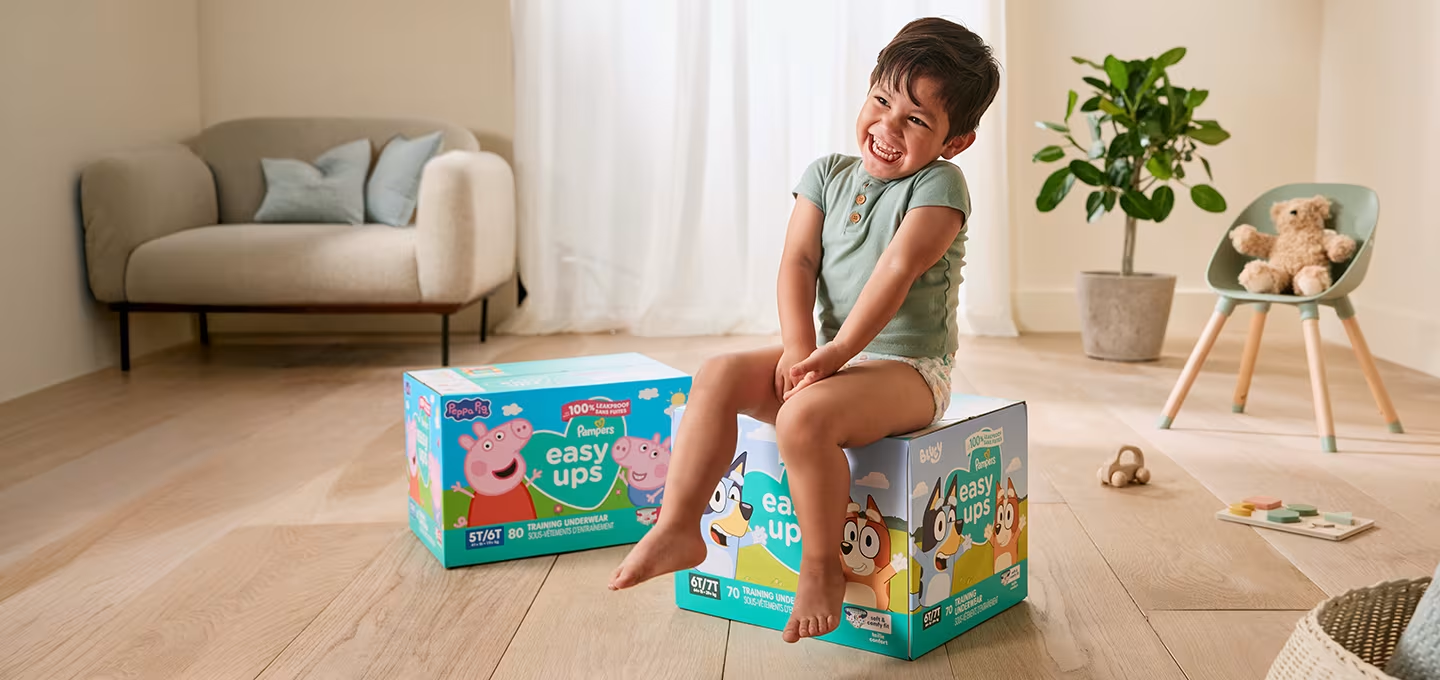
Nighttime Potty Training: When to Start and Tips to Help the Process
If your little one has mastered daytime dryness, it may be time to start nighttime potty training! We’ve got all the details, plus useful tips and tricks.
Read more
Are Training Pants a Good Idea?
By Nick Imholte
Curious about training pants? Find the benefits of training pants while potty training your child.
Read more
Potty Training at Day Care
By Madeline Johnson
Successful potty training at day care depends on the parent and day care provider working together. Find out how to build a great potty partnership.
Read more
Potty Training Chart and Reward Ideas—Including Printables
Potty training can sometimes be challenging. Our article provides tips and free printable potty-training charts to help keep your toddler on track.
Read morePotty Training Girls—Your Essential Guide
Learn all about potty training girls and discover when it’s time to start, how to potty train, and how long it takes.
Read moreThe 3-Day Potty Training Method—A Step-by-Step Guide
Interested in the three-day potty-training method? Learn tips you can use to toilet train your toddler using this method or any other method you decide to try.
Read moreWhen to Start Potty Training: 7 Signs Your Child Is Ready
By Madeline Johnson
Wondering when to start potty training? Learn the signs of readiness, best age to begin, and tips to help your toddler succeed.
Read moreNighttime Potty Training: When to Start and Tips to Help the Process
If your little one has mastered daytime dryness, it may be time to start nighttime potty training! We’ve got all the details, plus useful tips and tricks.
Read moreAre Training Pants a Good Idea?
By Nick Imholte
Curious about training pants? Find the benefits of training pants while potty training your child.
Read morePotty Training at Day Care
By Madeline Johnson
Successful potty training at day care depends on the parent and day care provider working together. Find out how to build a great potty partnership.
Read morePotty Training Chart and Reward Ideas—Including Printables
Potty training can sometimes be challenging. Our article provides tips and free printable potty-training charts to help keep your toddler on track.
Read morePotty Training Girls—Your Essential Guide
Learn all about potty training girls and discover when it’s time to start, how to potty train, and how long it takes.
Read more