
29 Baby Game Ideas for Your Baby's First Year


Looking for fun and development-boosting games to play with your baby? Engaging your little one through age-appropriate play is one of the best ways to support their physical, emotional, and cognitive growth. From tummy time activities that build motor skills to interactive games like peekaboo that encourage social development, simple play can have a big impact. Most experts recommend focusing on sensory-rich, repetitive, and responsive games tailored to your baby’s age and milestones.
Here’s a quick breakdown of popular baby games by age:
In this article, we’ll explore the best games to play with your baby at every stage, explain how each supports development, and share tips to make playtime safe, fun, and meaningful.
Pampers Picks: Our Favorite Games for Babies
Here are three of our top baby games for early development, with step-by-step instructions and a clear focus on which skills each supports.
Tummy Time
Helps develop: Neck and upper body strength, coordination, sensory exploration.
How to play:
Why we love tummy time: Tummy time builds the muscles your baby needs for crawling and sitting, and supports head control early on.
Monkey See, Monkey Do
Helps develop: Social and emotional connection, imitation, early communication.
How to play:
Why we love this game: Monkey see, monkey do taps into your baby’s natural instinct to mimic and helps them learn about emotions and connection.
Peek-a-Boo
Helps develop: Object permanence, anticipation, emotional bonding.
How to play:
Why we love peek-a-boo: Peek-a-boo teaches your baby that people and objects still exist when out of sight—an important cognitive milestone.
When Do Newborns Start to Play?
Newborns begin to “play” from their very first days of life—but play looks different than it does for older babies. Play in the early weeks is less about toys and more about bonding, sensory exploration, and interaction with caregivers.
Simple newborn activities like talking, making eye contact, and gently moving your baby's arms and legs help support early brain development. Around 6 to 8 weeks, babies become more alert and start to respond to sounds, smiles, and movement, showing more interest in playful interaction.
How to Play With Your Newborn or Older Infant
From Birth to 6 Months Old: Activities to Do With a Newborn
These game and activity ideas can work well for your newborn up until they’re around 6 months old. These activities are not only fun, but they also support your newborn's development as great learning games.
1. All Smiles
Your baby may begin to smile around the time they turn 2 months old. This will be a good time to play a smiling game with your infant.
Helps develop: Social interaction, emotional bonding.
How to play
This one couldn’t be simpler! Simply smile at your baby and wait for them to smile back. Try making faces and funny noises to get them to grin.
2. Show and Tell
Show and Tell isn’t just for school-aged kids—it’s a powerful newborn development activity that introduces your baby to the world through touch, sight, and sound. It’s one of the most engaging activities to do with a newborn to support their sensory development.
Helps develop: Sensory development, language exposure.
How to play
3. Clappity Clap
Clapping is a simple yet joyful way to stimulate your baby’s hearing and motor development. While newborns can’t clap on their own just yet, this activity introduces them to rhythm, sound, and cause and effect, making it a great newborn development activity.
Helps develop: Auditory processing, motor coordination.
How to play
4. Pedal Pedal
This playful leg movement mimics riding a bicycle and helps support digestion, relieve gas, and improve coordination. It’s one of the best 1-month-old baby activities and a great way to bond during diaper changes.
Helps develop: Motor development, digestion support.
How to play
5. Tickle Me
Tickling is a fun sensory experience that can teach your baby anticipation and body awareness. Using classic rhymes with a tickling surprise at the end adds an element of early communication and laughter.
Helps develop: Sensory awareness, anticipation.
How to play
These playful interactions are perfect newborn sensory activities and are a gentle way to stimulate a newborn.
6. Shake and Rattle
Noisy toys can capture your baby’s attention and encourage them to turn their head or reach—important milestones in early development. This is one of the easiest games with infants to promote sensory awareness.
Helps develop: Sound recognition, hand-eye coordination.
How to play
7. Bubble Blowing
Bubbles are magical to a baby’s eyes. Watching them float and pop encourages visual tracking and hand-eye coordination, making it one of the most delightful activities to do with a newborn.
Helps develop: Visual tracking, hand-eye coordination, sensory engagement.
How to play
8. Play Ball
Rolling a ball encourages your baby’s reaching, tracking, and early motor skills. It’s a simple learning game for newborns that grows with them as they develop new abilities.
Helps develop: Gross motor skills, visual tracking.
How to play
9. Baby Workout
Baby gyms offer a safe and engaging way for your infant to explore movement and coordination. Hitting dangling toys helps build visual and motor skills—perfect for stimulating a newborn’s natural curiosity.
Helps develop: Gross motor development, sensory engagement.
How to play
10. Chitchat
Talking to your baby is one of the most powerful learning games for newborns. It supports language development, bonding, and brain growth—even if they can’t talk back just yet.
Helps develop: Language development, social connection.
How to play
Speaking of diapers, whether you're enjoying tummy time or bonding face-to-face, your baby’s comfort matters. Pampers Swaddlers offer soft, breathable protection with a flexible fit—perfect for supporting all those tiny movements and playful moments.
11. Fishing for Fun
This simple activity combines movement, focus, and sensory stimulation. It’s especially great during tummy time, as it motivates your baby to lift their head, track motion, and reach—key skills in early physical development. It’s one of the most effective newborn development activities that supports visual coordination and upper body strength.
Helps develop: Visual coordination, reaching skills.
How to play
12. Read Aloud
Reading to your baby isn’t just a quiet bonding moment—it’s a powerful learning game for newborns that nurtures language, attention, and listening skills. Even from the first few weeks, babies benefit from hearing your voice and seeing high-contrast images or bright colors on a page.
Helps develop: Language development, attention skills.
How to play
This is one of the best activities to do with a newborn when they’re calm and alert—and it’s never too early to start building a love for books.
From 6 Months to 1 Year Old: Baby Games and Activities
The following game ideas can work well for your baby from 6 months old up to around the time they’re 1 year old:
13. Crawling Course
By 6 to 12 months, many babies are on the move and starting to crawl, and a soft, safe obstacle course is a fantastic way to build strength, coordination, and confidence.
Helps develop: Problem-solving, gross motor development.
How to play
There’s no “right” way to move—whether your baby goes over, under, or around, the goal is movement, engagement, and fun.
14. Puppet Theater
Puppets bring stories to life and spark your baby’s imagination through pretend play, while building language and listening skills. This is one of the best learning games for newborns that transitions beautifully into toddlerhood and beyond.
Helps develop: Imagination, listening and language skills.
How to play
It’s a perfect quiet-time activity that also helps with focus and early social development.
15. Mirroring
expressions. It’s a brilliant newborn sensory activity to revisit in the second half of the first year when your baby starts to recognize themselves and mimic behaviors.
Helps develop: Emotional recognition, visual awareness.
How to play
16. Kickball
This early version of a ball game builds leg strength, balance, and coordination. It’s one of those games for babies that’s great for indoor or outdoor play and grows with your child.
Helps develop: Gross motor skills, muscle strength, coordination.
How to play
It’s a fun way to stimulate gross motor development and get them laughing.
17. Hide and Seek
This baby-friendly version of the game hide and seek builds on the joy of peek-a-boo while helping your little one understand object permanence. It’s a playful way to stimulate their curiosity and sharpen their observation skills.
Helps develop: Memory, object permanence.
How to play
This is one of those games to play with babies that helps build memory, emotional connection, and delight.
18. Stacking Towers
Stacking objects is both fun and educational. It builds fine motor skills, hand-eye coordination, and early concepts of size, balance, and cause and effect, making it an engaging game for babies as they become more curious and mobile.
Helps develop: Fine motor skills, cause and effect.
How to play
Describe what you’re doing: “This one’s big!” or “Look, it’s tall now!”—a great way to boost language, too.
19. Sing Along
Singing is an incredibly effective newborn sensory activity that continues to benefit your baby well into their first year. It supports speech development, rhythm, memory, and emotional connection—all through joyful repetition.
Helps develop: Language development, rhythm, and memory.
How to play
20. Packing Up
This simple exploration game taps into your baby's love of taking things apart—and slowly introduces them to the idea of cleaning up. It’s one of the best games to play with a baby as they get older and begin developing independence and categorization skills.
Helps develop: Categorization, fine motor control.
How to play
This game is also perfect for developing fine motor skills, learning vocabulary, and introducing routine-based play.
21. Treasure Basket
This sensory-rich game is perfect for curious babies who love exploring the world with their hands. It’s one of the most engaging games for babies at this stage and supports independent play and concentration.
Helps develop: Sensory exploration, focus, and independence.
How to play
22. Highchair Art
This creative activity allows your baby to explore textures and motion using their hands. It’s a fun and safe introduction to early mark-making—and one of the most expressive games to play with your baby.
Helps develop: Fine motor skills, sensory creativity.
How to play
Once you’re done, opt for easy clean-ups with Pampers Sensitive Wipes—perfect for your baby’s delicate skin and those messy moments!
23. Muffin Tin Sorting
Sorting games help babies begin to understand how objects relate to each other—by shape, size, or simply where things go. This is one of the more structured games for babies that also supports fine motor skills.
Helps develop: Fine motor skills, early problem-solving, object classification.
How to play
24. Carpet Ride
Looking for an active indoor activity for babies? This gentle movement game builds balance and trust while giving your baby a new sensory experience.
Helps develop: Balance, body awareness.
How to play
This is one of those baby games that feels like a mini adventure and builds confidence with movement.
25. Animal Safari Sounds
Babies and children love sounds, especially silly animal noises. This game helps boost language development and is a great interactive game to play with your baby. Perfect for winding down at the end of the day or keeping your baby entertained during floor play.
Helps develop: Sound recognition, language development.
How to play
26. Follow the Leader (Crawl Edition)
Turn tummy time into a game of chase! This crawling game for babies who are on the move and ready to explore helps strengthen their core muscles while encouraging imitation—a key skill for learning.
Helps develop: Gross motor skills, imitation.
How to play

FAQS AT A GLANCE
Signs of understimulation can include fussiness, boredom, lack of eye contact, or little interest in their surroundings. Babies need appropriate levels of interaction and sensory input to stay engaged and support healthy development. Try talking, singing, tummy time, or offering a new toy or texture to gently re-engage their attention. Everyday activities like face-to-face play and conversation are great ways to provide the stimulation babies need without overwhelming them.
The Bottom Line
Engaging in games and activities with your newborn and older baby is a delightful way to foster bonding, provide educational experiences, and support their development. No matter which baby game you choose, your little one will love the time spent together, and you might find that playing together becomes a highlight of your day too!
While you’re having fun with your little one, download the Pampers Rewards app to earn Pampers cash on all those diapers and wipes your little one is going through.
- Book: Caring for your baby and young child birth to age 5, Sixth Edition Paperback – November 2, 2014 by American Academy of Pediatrics (Author)
- Kids Health: Learning, Play, and Your 1- to 3-Month-Old
- Kids Health: Learning, Play, and Your 8- to 12-Month-Old
- Healthy Children. 3 Brain-Building Ways to Play With Your Baby
- Healthy Children. 3 Tummy Time Activities to Try With Your Baby
- Healthy Children. 3 Ways You Can Bond With Your Baby
- Healthy Children. Emotional & Social Development in Babies: Birth to 3 Months
- Healthy Children. Movement Milestones: Birth to 3 Months
- Healthy Children: The Power of Play - How Fun and Games Help Children Thrive
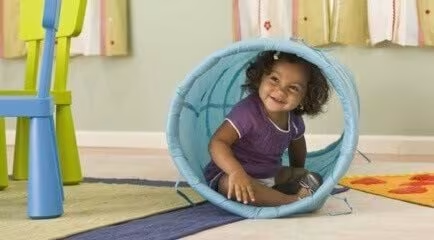
How Play Differs From Child to Child
Does your child prefer blocks or board games? Hitting a ball or pretending the ball belongs to a wizard? Pick up some insights on child development as you watch your toddler or preschooler play.
Read more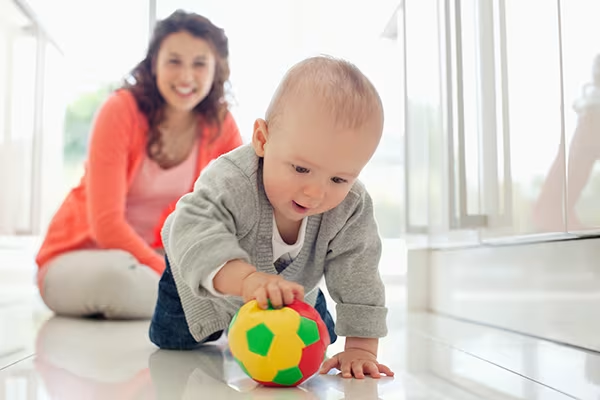
Playing Catch With Your Baby
Playing baby catch not only develops your baby’s motor skills, but also provides an opportunity for some bonding time.
Read more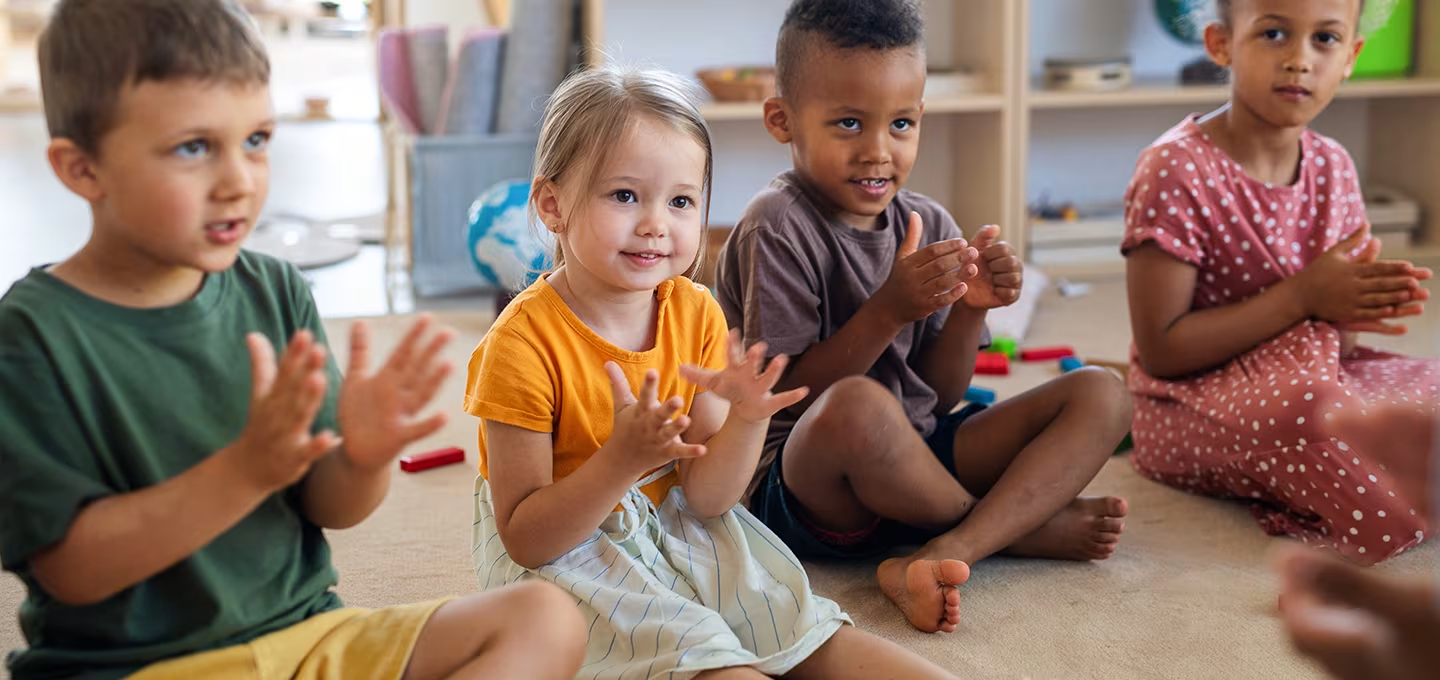
27 Popular Nursery Rhymes and Songs for Babies With Lyrics
Explore 27 beloved nursery rhymes and songs that comfort, teach, and connect—helping babies build language, rhythm, and joyful memories with you.
Read moreHow Play Differs From Child to Child
Does your child prefer blocks or board games? Hitting a ball or pretending the ball belongs to a wizard? Pick up some insights on child development as you watch your toddler or preschooler play.
Read morePlaying Catch With Your Baby
Playing baby catch not only develops your baby’s motor skills, but also provides an opportunity for some bonding time.
Read more27 Popular Nursery Rhymes and Songs for Babies With Lyrics
Explore 27 beloved nursery rhymes and songs that comfort, teach, and connect—helping babies build language, rhythm, and joyful memories with you.
Read moreHow Play Differs From Child to Child
Does your child prefer blocks or board games? Hitting a ball or pretending the ball belongs to a wizard? Pick up some insights on child development as you watch your toddler or preschooler play.
Read morePlaying Catch With Your Baby
Playing baby catch not only develops your baby’s motor skills, but also provides an opportunity for some bonding time.
Read more27 Popular Nursery Rhymes and Songs for Babies With Lyrics
Explore 27 beloved nursery rhymes and songs that comfort, teach, and connect—helping babies build language, rhythm, and joyful memories with you.
Read moreJoin a World of Support
through Pregnancy and Parenthood.
TRACK WITH TOOLS
LEARN WITH EXPERTS
GET REWARDED




Where You Already Belong