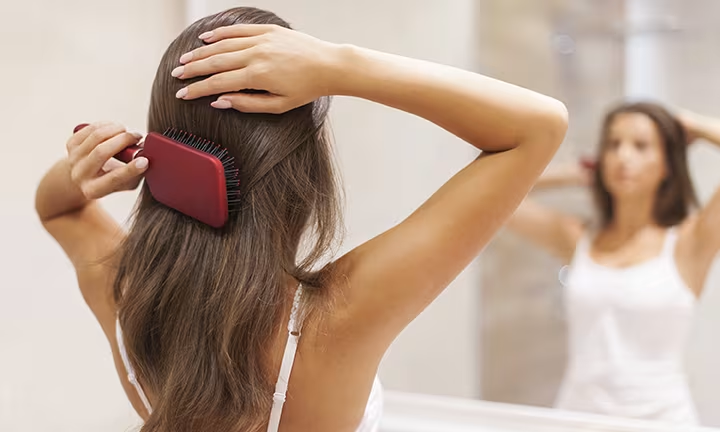
Postpartum Hair Loss: Cause, Timeline, and Care Tips



Key Takeaways
Postpartum hair loss is common and often normal. It's estimated that around 50% to 80% of new parents experience some degree of hair loss after giving birth. During pregnancy, higher estrogen keeps more hair in the “growing” phase; however, after delivery, hormones shift, and those extra hairs move into the “shedding” phase, making hair look thinner—especially around the hairline and part. While it can feel alarming, hair loss after pregnancy is normal and almost always temporary.
Next, we’ll break down causes, what’s normal, and practical ways to support regrowth. Your body is still recovering, and you're not alone in this.
What Is Postpartum Hair Loss?
Postpartumhair loss is a common and normal experience for many new parents. A few months after giving birth, people often notice hair loss, also known as postpartum shedding or post-pregnancy hair fall, commonly around the hairline or across the scalp. This shedding can feel alarming, but it’s a normal part of the recovery process.
The hormonal shifts that occur during pregnancy and postpartum can temporarily disrupt your hair’s growth cycle. As your hormones gradually return to pre-pregnancy levels, your hair will likely regrow and return to its usual fullness.
Symptoms of Postpartum Hair Loss
The signs of postpartum hair loss often present in the following ways:
If you’re concerned about postpartum hair loss, bald spots, or significant hair thinning after childbirth, consult your healthcare provider to rule out other causes and discuss potential treatments.
Take a moment to check in with yourself during your postpartum journey.
What Causes Postpartum Hair Loss?
Pregnancy hormones can have a significant impact on your body, including changes to your hair. Many people notice their hair becomes thicker during pregnancy. This is due to an increase in estrogen levels during your final trimester, which prevents the normal shedding of hair.
So, why do you lose hair postpartum? After giving birth, estrogen levels drop, causing the hair that stayed put during pregnancy to begin shedding. This process, often referred to as postpartum hair loss, normally occurs two to four months after delivery.
By the way, these same pregnancy hormones may also mean that you find your hair is oilier or drier than usual, or even a slightly different color, both during pregnancy and in the period afterward.
| Parents also ask… |
|---|
Is postpartum hair loss the same as alopecia? Postpartum hair loss is a form of temporary shedding called telogen effluvium, not permanent alopecia. In most cases, hair follicles remain healthy and regrowth occurs naturally.
Is postpartum hair loss worse after a second or third pregnancy? It can feel more noticeable in later pregnancies, but this isn’t always the case. Each postpartum experience is different, even for the same person. |
When Does Postpartum Hair Loss Start?
For most people, postpartum hair loss begins around two to four months after giving birth. This is typically the point when hormone levels start to normalize, triggering the hair loss that was delayed during pregnancy.
When Does Postpartum Hair Loss Stop?
If you’re experiencing postpartum hair loss, it’s normal to wonder, “How long does it last?” It can vary from person to person, but post-pregnancy hair fall typically lasts between three and six months. By the time you reach 12 months postpartum, your hair growth should largely return to its pre-pregnancy state.
Postpartum Hair Loss Remedies
If you’re experiencing shedding after your baby arrives, you’re not alone. In many cases, postpartum hair loss is caused by shifting hormone levels after pregnancy. This type of hair loss is usually temporary and often resolves on its own within several months, without the need for medical postpartum hair loss treatment.
Still, if you’re wondering how to stop postpartum hair loss, there are gentle, practical steps that may help support healthy regrowth and reduce breakage. While there’s no instant fix, the following postpartum hair fall remedies may help your hair look and feel fuller as your body recovers.
Postpartum Hair Regrowth
Postpartum hair loss is generally normal and temporary, and new hair typically begins to grow as soon as the shedding phase ends. While it may take several months to notice any post-pregnancy hair regrowth, your hair’s growth cycle should return to normal within a year.
In some cases, hair may feel slightly thinner than before; however, for the majority, hair growth after pregnancy restores fullness over time.
How to Prevent Postpartum Hair Loss?
While there is no way to prevent postpartum hair loss completely, the steps mentioned in the previous section, such as being gentle with your hair, maintaining a healthy diet, and avoiding tight hairstyles, can help minimize breakage and support overall hair health.
Knowing that hair loss after pregnancy is normal can also help you feel more prepared if it happens.
| Parents also ask… |
|---|
Can certain hairstyles make postpartum hair loss worse? Tight hairstyles like ponytails or buns can increase breakage and stress on thinning hair. Gentle styling helps protect fragile postpartum hair.
Can stress or lack of sleep increase postpartum hair shedding? Yes, high stress and sleep deprivation can contribute to increased hair shedding. Managing stress and prioritizing rest can support overall hair health. |
When to Contact Your Healthcare Provider
Although postpartum shedding is common, consult your healthcare provider if:
Occasionally, ongoing shedding may be related to iron deficiency or thyroid conditions, which may require specific treatmentguided by your provider.
FAQS AT A GLANCE
Cutting your hair doesn’t stop postpartum hair loss, since shedding is caused by hormonal changes after pregnancy. However, a shorter hairstyle may make hair appear fuller and make thinning less noticeable while your hair regrows.
The Bottom Line
Pregnancy and the postpartum period bring plenty of changes—some exciting, others less so. If you’re dealing with postpartum hair loss, know that it’s temporary, and your hair will likely return to its normal state within a few months.
While you focus on recovery and caring for your little one, consider downloading the Pampers Rewards App. It’s a great way to access digital offers on essentials for your baby, helping you save while adjusting to parenthood.
Postpartum Weight Loss
By Maria Striemer
Many new parents want to lose those extra pounds after giving birth. Here’s how to lose weight in the postpartum period safely and effectively.
Read more
The Postpartum Period (Puerperium): How Long It Lasts, Symptoms, and Tips
The postpartum period consists of the weeks after you give birth. Learn about the postpartum period and read our tips to help ease the transition.
Read more
Postpartum Depression: Symptoms, Treatment, and Support
Explore postpartum depression symptoms, causes, and treatments, along with ways to support loved ones experiencing PPD.
Read more
FAQ: Lochia (Postpartum Bleeding)
Postpartum bleeding, or lochia, is a normal part of recovery after birth. Learn how long it lasts, what to expect, and when to consult your healthcare provider.
Read more
Postpartum Recovery Timeline: Recovering From Labor and Delivery
Explore your postpartum recovery week by week. Learn about healing, symptoms, emotional changes, and tips from birth to 2+ months.
Read more
Postpartum Workout: When and How to Start Safely
Ease back into fitness with a safe postpartum workout plan. Get expert tips, gentle exercise ideas, and recovery guidance after a vaginal or C-section birth.
Read more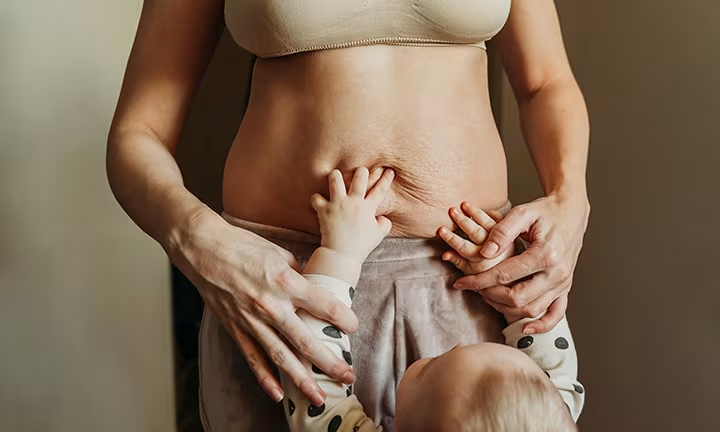
Postpartum Belly: Week-by-Week Changes and Recovery Tips
By Charlotte Wool
Discover all about the postpartum belly after giving birth, including what it looks and feels like, plus tips and exercises for a healthy recovery.
Read more
When Does Your Period Return After Birth? Postpartum Guide
Curious when your period returns after giving birth? Discover how nursing vs non-nursing affects your flow and cramps, plus tips on your first postpartum cycle.
Read morePostpartum Weight Loss
By Maria Striemer
Many new parents want to lose those extra pounds after giving birth. Here’s how to lose weight in the postpartum period safely and effectively.
Read moreThe Postpartum Period (Puerperium): How Long It Lasts, Symptoms, and Tips
The postpartum period consists of the weeks after you give birth. Learn about the postpartum period and read our tips to help ease the transition.
Read morePostpartum Depression: Symptoms, Treatment, and Support
Explore postpartum depression symptoms, causes, and treatments, along with ways to support loved ones experiencing PPD.
Read moreFAQ: Lochia (Postpartum Bleeding)
Postpartum bleeding, or lochia, is a normal part of recovery after birth. Learn how long it lasts, what to expect, and when to consult your healthcare provider.
Read morePostpartum Recovery Timeline: Recovering From Labor and Delivery
Explore your postpartum recovery week by week. Learn about healing, symptoms, emotional changes, and tips from birth to 2+ months.
Read morePostpartum Workout: When and How to Start Safely
Ease back into fitness with a safe postpartum workout plan. Get expert tips, gentle exercise ideas, and recovery guidance after a vaginal or C-section birth.
Read morePostpartum Belly: Week-by-Week Changes and Recovery Tips
By Charlotte Wool
Discover all about the postpartum belly after giving birth, including what it looks and feels like, plus tips and exercises for a healthy recovery.
Read moreWhen Does Your Period Return After Birth? Postpartum Guide
Curious when your period returns after giving birth? Discover how nursing vs non-nursing affects your flow and cramps, plus tips on your first postpartum cycle.
Read moreJoin a World of Support
through Pregnancy and Parenthood.
TRACK WITH TOOLS
LEARN WITH EXPERTS
GET REWARDED



Where You Already Belong