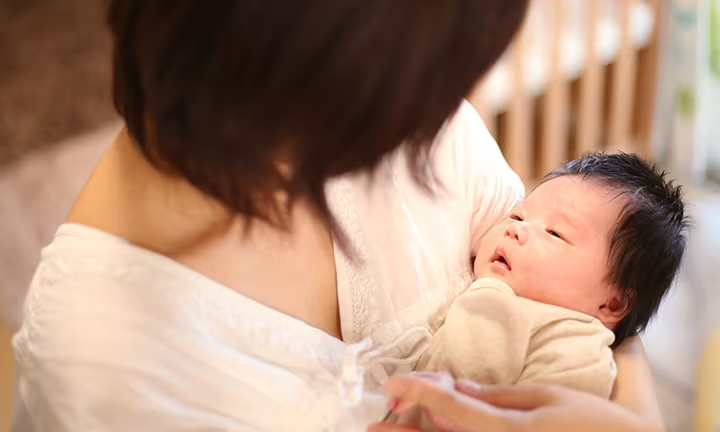
The Postpartum Period (Puerperium): How Long It Lasts, Symptoms, and Tips


Key Takeaways
The postpartum period, also known as puerperium, often lasts up to 12 weeks after giving birth; however, timing varies, and recovery may be longer for some. Here are some things you might experience during the postpartum period:
The postpartum period (Puerperium)—often called the “fourth trimester”—is the weeks and months after childbirth when your body, hormones, and daily routines adjust to life after pregnancy. Many parents wonder what’s normal and when to seek help. While recovery looks different for everyone, common experiences include:
Understanding typical postpartum recovery timelines, warning signs, and support options can make this transition safer and less overwhelming. In the sections below, we’ll break down what to expect during the postpartum period and how to care for yourself day by day.
What Is the Postpartum Period?
You may be wondering, “What is postpartum?” or “What does postpartum mean?” The postpartum meaning is simple: it refers to the time after childbirth. The term postpartum comes from Latin and literally means “after birth.”
In medical terms, the postpartum period—also known as the puerperium—begins right after your baby is born and typically lasts about 12 weeks. Whether you had a cesarean delivery or a vaginal birth, this phase focuses on physical recovery and emotional adjustment.
During this time, your body goes through significant healing and hormonal changes. Although the formal definition of postpartum often refers to the first 12 weeks, some effects of pregnancy and childbirth can last longer.
Beyond the physical aspects, the postpartum period is also a time of transition. You’re adjusting to life with your baby, navigating new routines, and adapting emotionally to the changes that come with becoming a parent. Healing and adjustment take time—and support can make all the difference.
How Long Does Postpartum Last?
The duration of the postpartum period was typically considered to last 6 to 8 weeks after childbirth; however, the American College of Obstetricians and Gynecologists now considers it to last up to 12 weeks. They also recommend individualized care and more frequent checkups based on your health needs in the postpartum period.
Postpartum Recovery Timeline
You may be wondering, “How long does it take to heal after giving birth?” The answer depends on many factors, including your delivery, overall health, and the support you have around you.
This postpartum recovery timeline offers a general overview of the common postpartum stages and what healing may involve in the weeks and months after birth. Keep in mind that recovery post birth is not one-size-fits-all—you may experience some, all, or none of these symptoms, and your healing pace may be different.
| Parents also ask… |
|---|
Can postpartum recovery take longer after a C-section? Recovery after a cesarean birth often takes longer due to surgical healing. Fatigue, soreness, and limited mobility may last several weeks.
Can breastfeeding affect postpartum recovery? Breastfeeding releases hormones that help the uterus contract, but may also increase fatigue or cramping. Adequate rest and nutrition are important. |
Physical Postpartum Symptoms: Your Body After Pregnancy
After giving birth, your body goes through a wide range of changes—some temporary, some longer-lasting. Whether you had a vaginal delivery or C-section, your body after pregnancy is healing and adjusting. Below is a breakdown of the most common postpartum symptoms so you know what to expect during recovery and how to support your body.
Uterus and Vaginal Healing
After childbirth, your uterusbegins the process of shrinking back to its pre-pregnancy size, a process called involution. At the same time, you'll experience bleeding and other signs of recovery.
Hormonal Changes: Postpartum Hormones
Your hormone levels shift drastically after giving birth, affecting everything from your mood to your sweat glands.
Menstruation and Ovulation
Perineal Discomfort or C-Section Healing
Postpartum discomfort is common, whether from tearing, stitches, or surgical wounds.
Swelling
Postpartum swelling—especially in your face, feet, or hands—is common.
Other Postpartum Body Changes
Fatigue. In the first few months after giving birth, it's normal to feel exhausted. You've experienced significant emotional and physical changes, and now you have new challenges to navigate. Your newborn needs to be fed frequently and may not sleep for long stretches, which provides plenty of reasons for your fatigue. To help alleviate exhaustion and stress, try to sleep when your baby sleeps and don’t hesitate to ask for help. Follow a balanced diet that includes plenty of high-protein and iron-rich foods. Additionally, focus on only completing the bare minimum of household tasks. For instance, allow the dishes to stack up and let someone else cook, or opt for home-delivered meals. This is a time to take it easy and prioritize both yourself and your baby.
Changes to your abdomen. It’s normal for your postpartum belly to still look pregnant at first as your uterus gradually shrinks back to its prepregnancy size. If you have diastasis recti, consult your provider or a postpartum physical therapist for appropriate exercises.Stretch marks. They may fade over time, even if they don’t disappear completely.
Weight loss. You may quickly lose 10–20 pounds postpartum from the baby, placenta, and fluids, but your weight may not fully return to what it was for a while yet. Be gentle with your post-pregnancy body—eat nutritious foods, move your body, and avoid crash diets, especially if breastfeeding, as this can affect your breast milk supply. Your provider can offer guidance on the postpartum weight loss to aim for and how you can safely achieve it in the long term.
Urinary incontinence. Leaking urine is common and usually improves with pelvic floor exercises. Kegels can help. For some recovery tips after labor and childbirth, read our informative article dedicated to postpartum healing.
Emotional and Mental Changes Postpartum
Becoming a parent is a life-changing experience filled with joy, but it also brings a range of emotional and mental challenges. Your mind and body are adjusting to major hormonal shifts, a new lifestyle, and the intense demands of caring for a newborn.
It's completely normal to feel overwhelmed or experience mood changes during this time. Many new parents experience what's commonly referred to as the “baby blues,” but for some, these symptoms may develop into a more serious condition like postpartum depression.
Baby Blues and Postpartum Depression
Up to 80% of new mothers experience the baby blues, which include mild mood swings, crying spells, anxiety, and difficulty sleeping. These symptoms typically occur in the first few days after birth, peaking around day 4 or 5, and usually resolve within 1 to 2 weeks. These emotional changes are largely due to the rapid drop in pregnancy hormones like estrogen and progesterone after delivery.
Feeling sad or tearful during this time doesn’t mean you're a bad parent. It simply means your body and mind are adjusting to the postpartum hormone changes and the responsibilities of parenthood.
If your low mood lasts longer than two weeks, or if feelings of sadness or anxiety become more intense, you may be experiencing postpartum depression (PPD). This condition affects about 1 in 7 women and can start any time in the first year after birth. How long postpartum depression lasts depends on when you get help—but there’s not one single answer. Early intervention may help reduce the length of time or severity, and help support recovery. Symptoms may include:
If you recognize these symptoms, it’s important to speak with your healthcare provider. Postpartum depression is treatable with therapy, medication, or both. Getting support early can make a significant difference in your recovery.
Postpartum Sleep Deprivation
Caring for a newborn often means fragmented and inadequate sleep, especially in the early weeks. Sleep deprivation can intensify mood swings and stress, making it harder to cope with day-to-day tasks. It may even increase your risk for postpartum depression and anxiety.
Try to rest when your baby sleeps, even if it's just for short naps. Ask your partner, family, or friends for help with household tasks so you can get more rest. Prioritize sleep and self-care, and remember that this exhausting phase won't last forever.
Mood Swings
Hormonal fluctuations and lack of sleep can make your emotions feel like a roller coaster in the days and weeks after birth. You may feel elated one moment and weepy or irritable the next. These postpartum mood swings are common and often part of the baby blues.
However, if mood changes persist or interfere with daily life, this could be a sign of a more serious mental health concern, such as postpartum depression or anxiety. Discuss your symptoms with your healthcare provider so they can guide you toward the right care.
Postpartum Recovery and Care Tips
Bringing a new baby into the world is an incredible experience, but it also marks the beginning of a major transformation for your body and mind. Whether you had a vaginal birth or a cesarean section, your postpartum recovery journey is unique. It takes time, rest, and support to heal both physically and emotionally.
Here are trusted, practical postpartum care tips to help support your postpartum health so you can gradually feel stronger and more like yourself in the weeks and months after delivery.
For more help on your postpartum journey, download our New Parents Guide, with everything from pregnancy and labor to feeding and postpartum.
| Parents also ask… |
|---|
When is it safe to start exercising after childbirth? Gentle movement is often encouraged early, but more intense exercise should wait until your healthcare provider gives clearance, usually around 6 weeks.
Can stress slow postpartum healing? High stress levels can affect sleep, immune function, and emotional wellbeing, which may slow recovery. Support and self-care play an important role. |
Postpartum Complications and Health Conditions
While the postpartum period is a time of healing, it’s important to know that postpartum complications can happen, even weeks after childbirth. Understanding which postpartum symptoms not to ignore can help you identify when something may require prompt medical attention.
This section outlines common postpartum complications, their symptoms, and when to contact your healthcare provider to ensure a safe recovery.
When to Contact Your Healthcare Provider
Your body goes through many changes during the postpartum period (puerperium), and regular checkups play an important role in protecting your health. At the same time, some symptoms shouldn’t wait for a scheduled visit.
Contact your healthcare provider immediately if you have:
Even if a symptom seems minor, it’s always OK to consult your healthcare provider. Early care can help prevent more serious complications and support a smoother recovery.
Postpartum checkups: What to expect
Postpartum care is essential for your physical, mental, and emotional well-being. The American College of Obstetricians and Gynecologists (ACOG) recommends ongoing care rather than a single visit.
In general, your postpartum checkup schedule may include:
If you had a cesarean delivery, your provider may want to check your incision about two weeks after birth. If you had gestational diabetes, you may need earlier follow-up and blood glucose testing.
During your visits, your provider may check your weight, blood pressure, breasts, abdomen, and healing, and perform a pelvic exam. These appointments are also an opportunity to discuss birth control, emotional well-being—including postpartum depression—and any questions you may have. Writing down concerns ahead of time can help you make the most of your visit.
Remember, postpartum care is about you, too. If something doesn’t feel right, you don’t have to wait—your healthcare provider is there to support you.
FAQs at a Glance
The postpartum period, also known as the fourth trimester, refers to the time after childbirth when your body is recovering and adjusting. It begins immediately after delivery and typically lasts six weeks, though full recovery can take several months to a year. During this time, the uterus returns to its pre-pregnancy size, hormone levels shift, and physical and emotional healing occurs.
The Bottom Line
Postpartum careisn't just about physical healing; it's also about giving yourself space to adjust, rest, and be nurtured. Whether it takes six weeks or six months, your postpartum recovery deserves just as much attention and compassion as your pregnancy did.
If you have some spare time, you might find the parenting life section of our website very informative. We’ll answer all your questions, such as when you might get your first period after having a baby, and provide information on postpartum weight loss, as well as some great postpartum workout ideas to help you get back in shape over time.
And to make your postpartum period a little easier, download the Pampers Rewards App for rewards on all your diaper purchases.
- American College of Obstetricians and Gynecologists. Your Pregnancy and Childbirth: Month to Month, 7th ed. (Washington, DC: American College of Obstetricians and Gynecologists, 2021).
- Cleveland Clinic. “Postpartum.”
- March of Dimes. “Baby Blues After Pregnancy.”
- March of Dimes. “Postpartum Depression.”
- March of Dimes. “Your Body After Baby: The First 6 Weeks.”
- March of Dimes. “Your Postpartum Checkups.”
- Mayo Clinic. “Pregnancy Weight Gain: What’s Healthy?”
- Office on Women’s Health. “Recovering from birth.”
- PMC. “Alterations in Hair Follicle Dynamics in Women.”
- WHO. “Postnatal Care for Mothers and Newborns.”
When Does Your Period Return After Birth? Postpartum Guide
Curious when your period returns after giving birth? Discover how nursing vs non-nursing affects your flow and cramps, plus tips on your first postpartum cycle.
Read more
Postpartum Weight Loss
By Maria Striemer
Many new parents want to lose those extra pounds after giving birth. Here’s how to lose weight in the postpartum period safely and effectively.
Read more
Postpartum Depression: Symptoms, Treatment, and Support
Explore postpartum depression symptoms, causes, and treatments, along with ways to support loved ones experiencing PPD.
Read more
FAQ: Lochia (Postpartum Bleeding)
Postpartum bleeding, or lochia, is a normal part of recovery after birth. Learn how long it lasts, what to expect, and when to consult your healthcare provider.
Read more
Postpartum Recovery Timeline: Recovering From Labor and Delivery
Explore your postpartum recovery week by week. Learn about healing, symptoms, emotional changes, and tips from birth to 2+ months.
Read more
Postpartum Workout: When and How to Start Safely
Ease back into fitness with a safe postpartum workout plan. Get expert tips, gentle exercise ideas, and recovery guidance after a vaginal or C-section birth.
Read more
Postpartum Hair Loss: Cause, Timeline, and Care Tips
By Maria Striemer
Learn why postpartum hair loss happens, when it starts, and how to manage it. Discover tips to promote hair regrowth after pregnancy.
Read more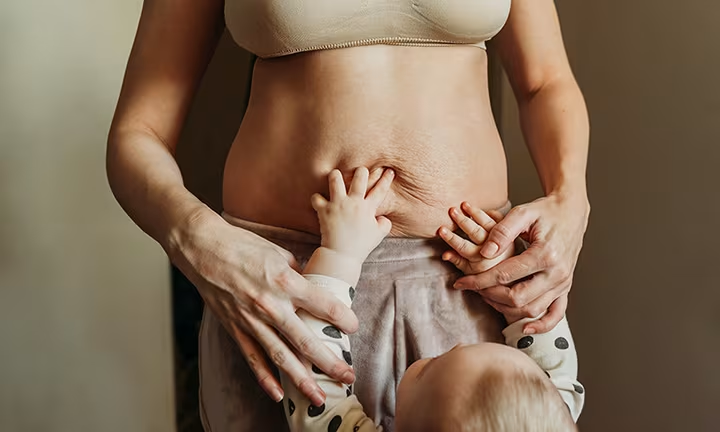
Postpartum Belly: Week-by-Week Changes and Recovery Tips
By Charlotte Wool
Discover all about the postpartum belly after giving birth, including what it looks and feels like, plus tips and exercises for a healthy recovery.
Read moreWhen Does Your Period Return After Birth? Postpartum Guide
Curious when your period returns after giving birth? Discover how nursing vs non-nursing affects your flow and cramps, plus tips on your first postpartum cycle.
Read morePostpartum Weight Loss
By Maria Striemer
Many new parents want to lose those extra pounds after giving birth. Here’s how to lose weight in the postpartum period safely and effectively.
Read morePostpartum Depression: Symptoms, Treatment, and Support
Explore postpartum depression symptoms, causes, and treatments, along with ways to support loved ones experiencing PPD.
Read moreFAQ: Lochia (Postpartum Bleeding)
Postpartum bleeding, or lochia, is a normal part of recovery after birth. Learn how long it lasts, what to expect, and when to consult your healthcare provider.
Read morePostpartum Recovery Timeline: Recovering From Labor and Delivery
Explore your postpartum recovery week by week. Learn about healing, symptoms, emotional changes, and tips from birth to 2+ months.
Read morePostpartum Workout: When and How to Start Safely
Ease back into fitness with a safe postpartum workout plan. Get expert tips, gentle exercise ideas, and recovery guidance after a vaginal or C-section birth.
Read morePostpartum Hair Loss: Cause, Timeline, and Care Tips
By Maria Striemer
Learn why postpartum hair loss happens, when it starts, and how to manage it. Discover tips to promote hair regrowth after pregnancy.
Read morePostpartum Belly: Week-by-Week Changes and Recovery Tips
By Charlotte Wool
Discover all about the postpartum belly after giving birth, including what it looks and feels like, plus tips and exercises for a healthy recovery.
Read moreJoin a World of Support
through Pregnancy and Parenthood.
TRACK WITH TOOLS
LEARN WITH EXPERTS
GET REWARDED



Where You Already Belong