Skip to main contentSkip to search
When Can Your Baby Sleep With a Blanket

When Can Babies Start Sleeping With Blankets?

2 min readUpdated February 26, 2026

Key Takeaways

  • Babies should not sleep with blankets, pillows, or loose bedding during their first year of life. The American Academy of Pediatrics recommends a firm, flat sleep surface with no soft objects to reduce the risk of sudden infant death syndrome (SIDS).

  • Most toddlers can safely use a lightweight blanket after 12 months, once the risk of SIDS decreases and they have greater mobility.

  • Until your baby turns 1, use wearable blankets or sleep sacks to keep them warm without loose bedding.

  • Always place your baby on their back to sleep, for naps and at night, in a crib or bassinet that meets safety standards.

  • If you’re unsure whether your child is ready for a blanket, consult your child’s healthcare provider for personalized guidance.

As a new parent, you might wonder, “When can a baby sleep with a blanket safely?” Covering a baby too early can indeed increase the risk of suffocation and sudden infant death syndrome (SIDS). So, what’s the safest approach? In this article, we’ll explore what age a baby can sleep with a blanket, how to keep your little one warm without one, and what to consider before making the switch.

Is It Safe for Babies to Sleep With Blankets?

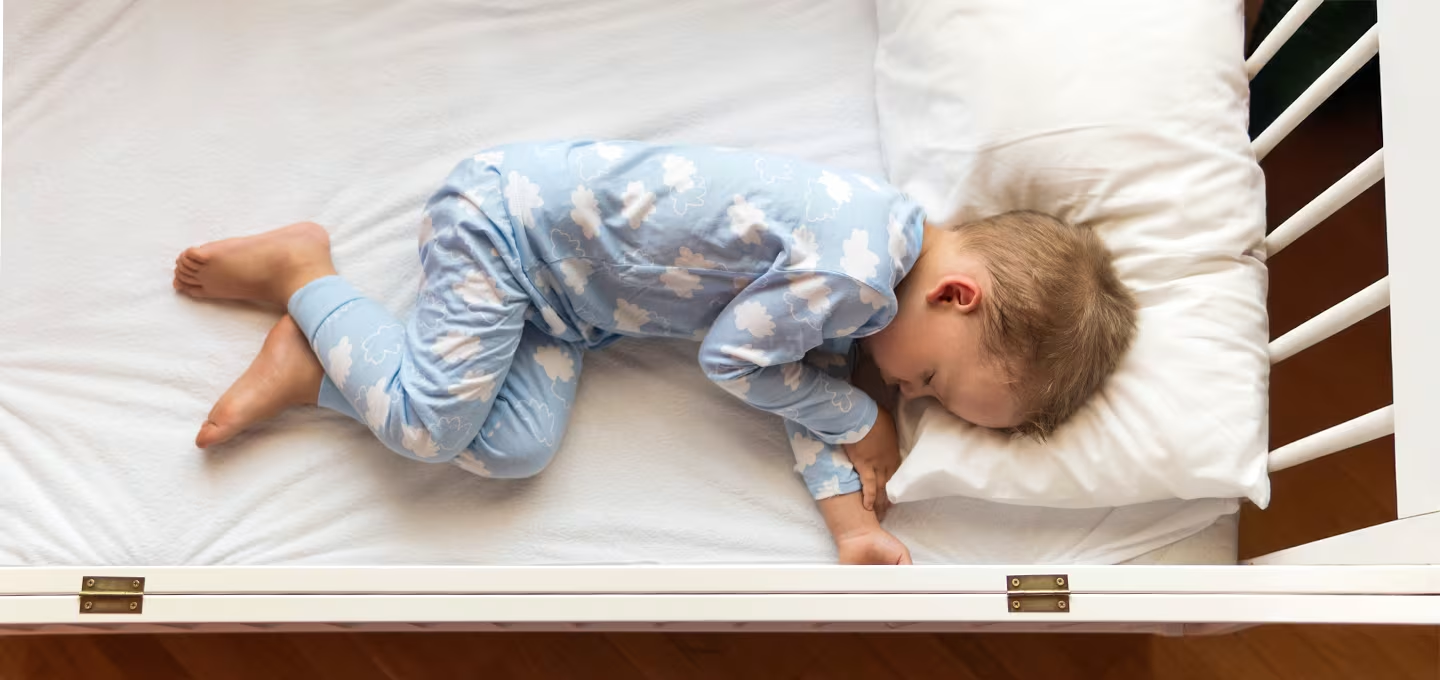
It’s safest to wait until your child is older than 12 months to introduce a blanket, as babies under this age face an increased risk of suffocation, entrapment, and sudden infant death syndrome (SIDS). For this reason, asking, “Can my 1-year-old sleep with a blanket?” becomes a common question for parents. The answer is yes. After their first birthday, it’s usually safe to start using a lightweight blanket under proper supervision.

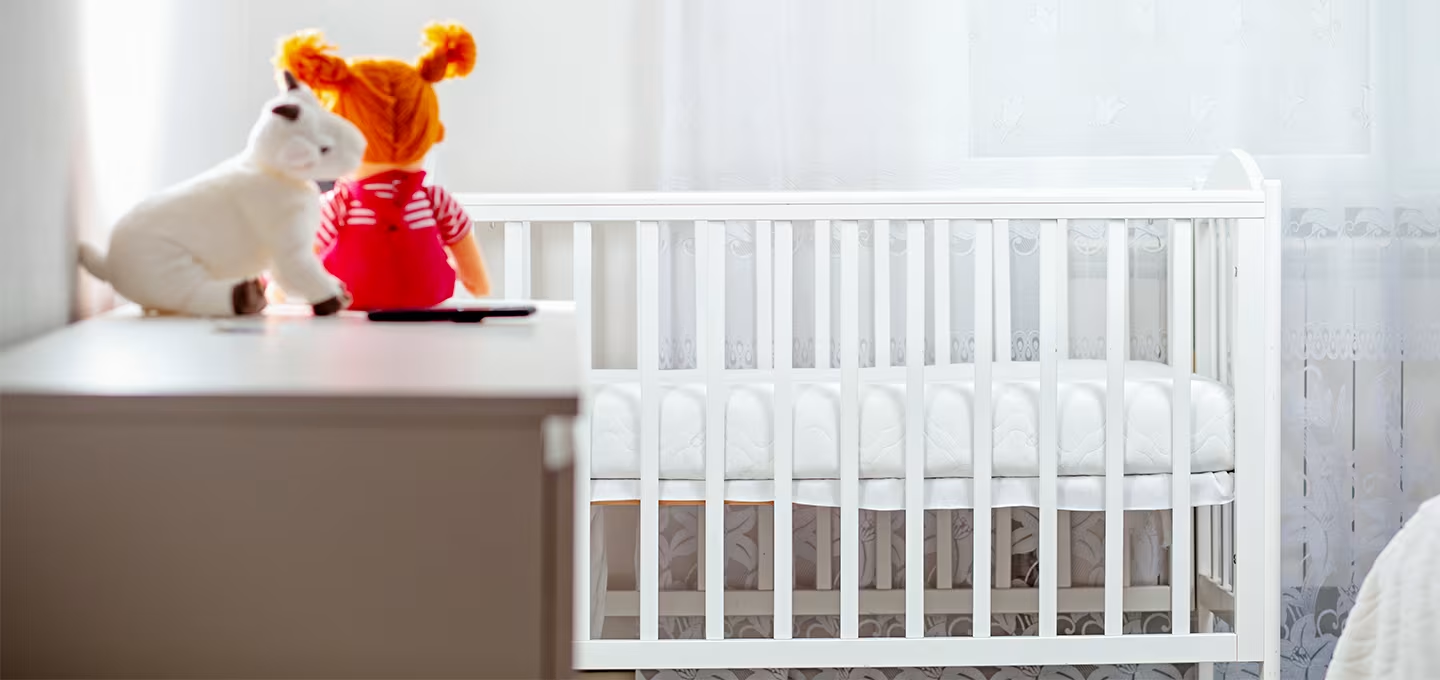
Before this age, keeping your baby’s crib free of loose bedding, including crochet blankets, quilts, pillows, stuffed animals, and bumper pads, is important. Items like these, while seemingly cozy, can pose suffocation hazards.

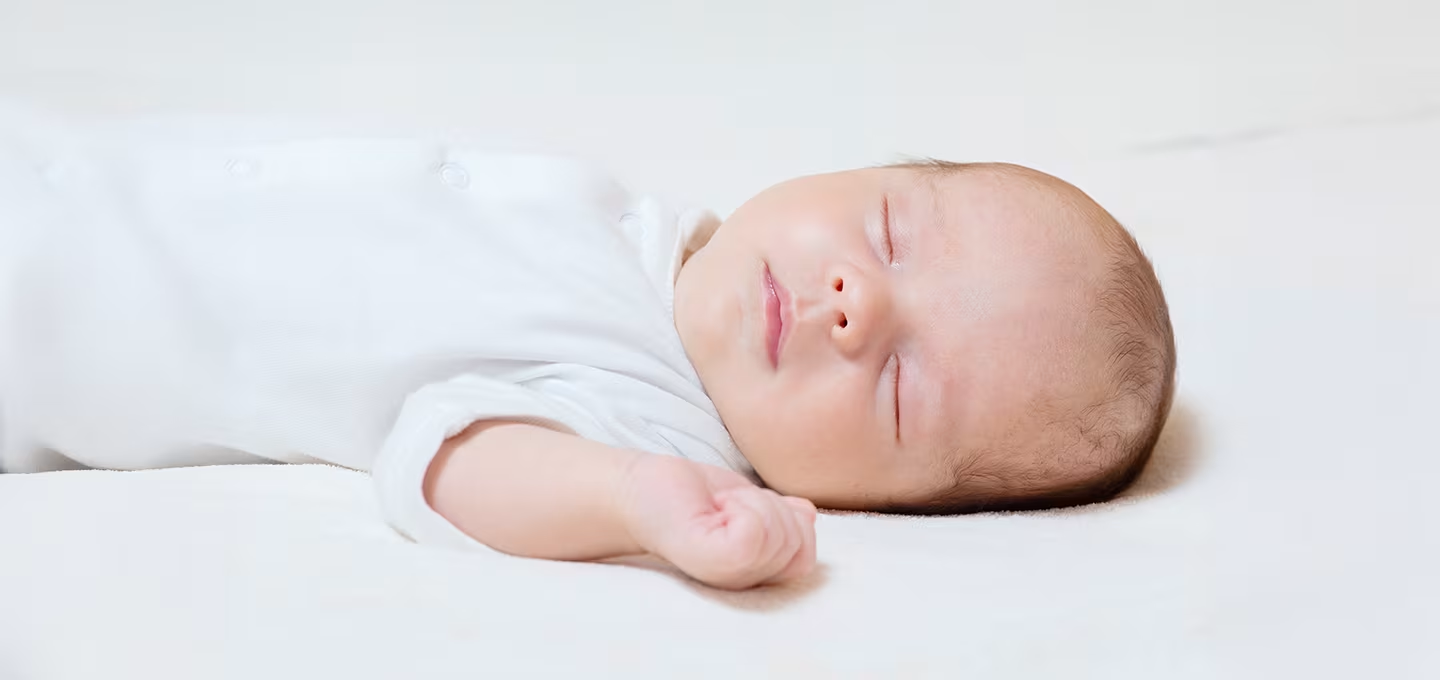
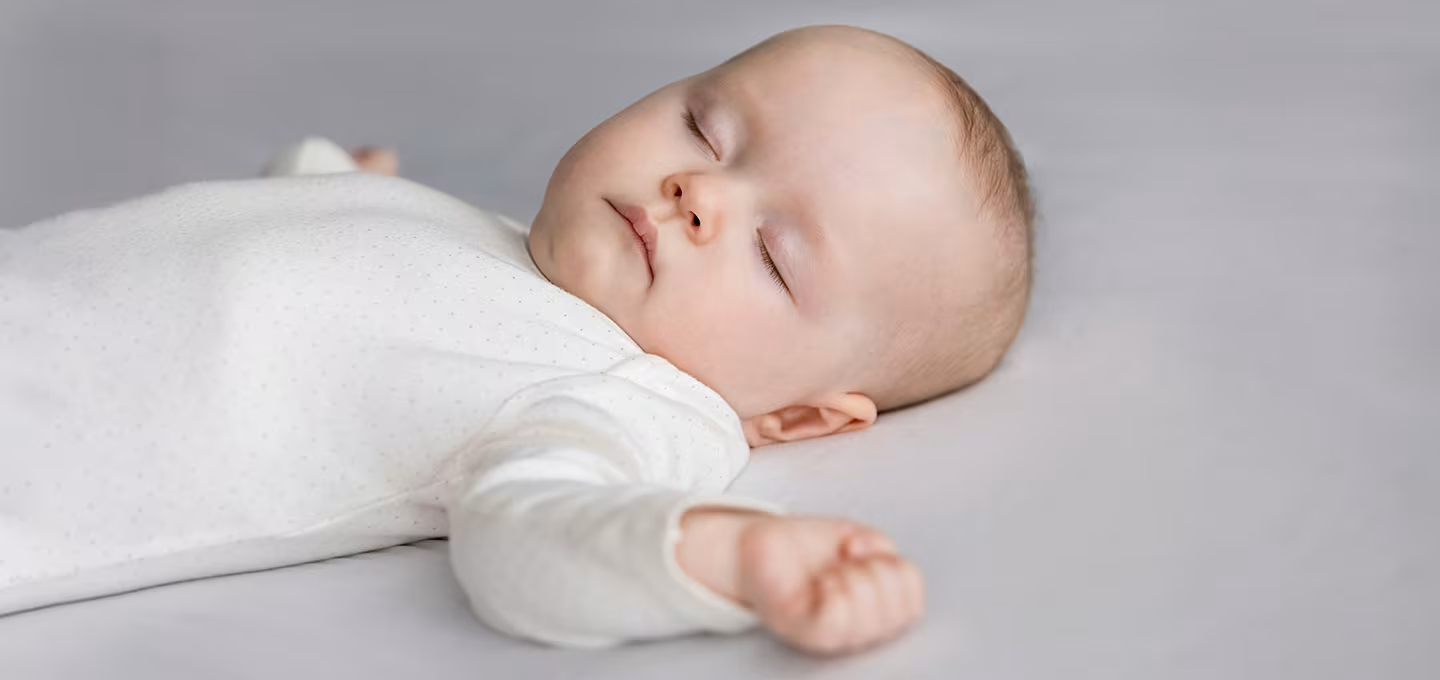
Until then, the safest sleep setup includes a firm crib mattress covered by a tightly fitted sheet—and nothing else. This approach aligns with infant safety guidelines to reduce risks and promote better sleep for your baby.

How to Keep Your Baby Warm Without a Blanket?

Keeping your baby warm during sleep, whether it’s a nap or bedtime, can be safe and simple, even without a blanket. A good guideline is to dress them in one more layer than you would wear to bed. This helps maintain a comfortable temperature—not too hot or cold.

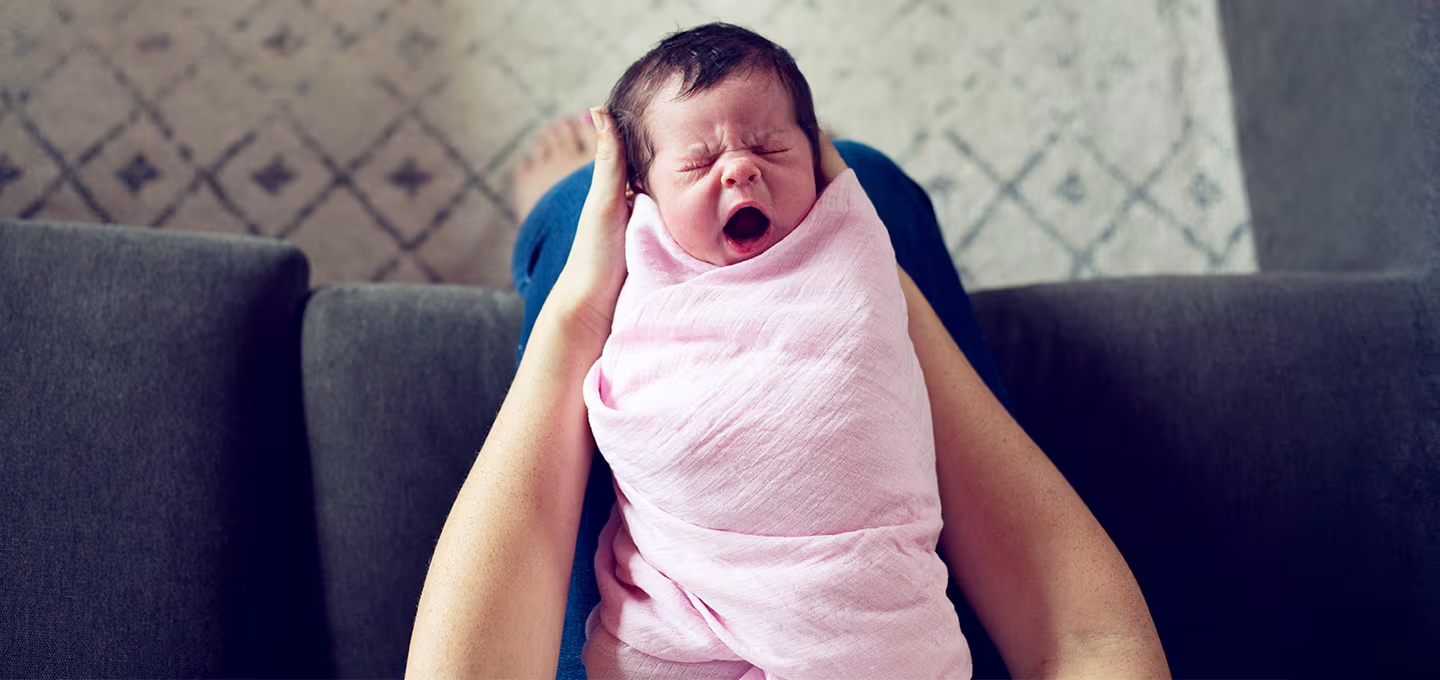
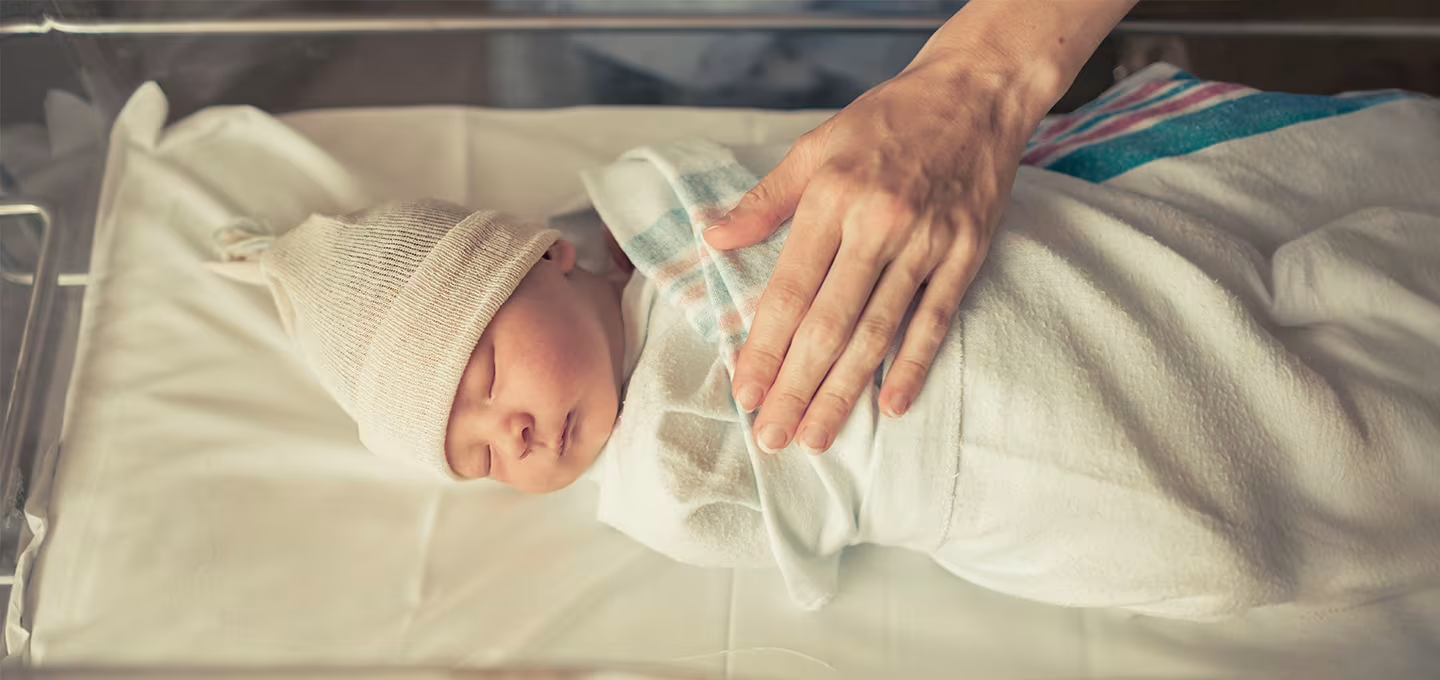
For younger babies, swaddling is a popular choice to keep them cozy. Use a thin, breathable blanket to wrap them snugly, mimicking the secure feeling of the womb. Always place your baby on their back when swaddled and stop swaddling once they show signs of rolling over, which may happen as early as 2 months.

Another excellent option is a baby sleep sack. These wearable blankets provide warmth without the risks of loose bedding and align with AAP safe sleep guidelines.

Lastly, monitor your baby’s temperature by touching the chest or the back of the neck. If it feels too warm or sweaty, remove a layer to prevent overheating and keep them comfortable throughout the night.

How to Dress Your Baby for Sleep?

Here are some tips for dressing your baby for sleep:

  • For cooler temperatures, you may need to dress your baby in several layers of clothing. Start with diapers and an undershirt, and then add pajamas, a baby gown, or a footed sleeper. If a final layer is needed, swaddle them in a receiving blanket or use a sleeping sack.

  • When it's warm, it’s best to dress your baby in just one layer, which could be just a diaper and an undershirt, for example.

Make sure your baby’s room temperature is cool but comfortable. 

Watch for signs that your baby may be too hot, such as sweating, damp hair, heat rash, flushed cheeks, or rapid breathing. If that’s the case, you’ll want to remove a layer.

How to Introduce Blankets?

Blankets should only be introduced after your baby’s first birthday to align with AAP safe sleep guidelines by age and reduce the risk of suffocation and sudden infant death syndrome (SIDS). After 12 months, opt for a lightweight, breathable blanket and introduce it during supervised naps to observe your baby’s comfort. Even with a blanket, keep the crib simple—free of pillows, stuffed animals, or other bulky items. If your baby isn’t ready for a blanket, sleep sacks remain a safe and cozy option.

FAQS AT A GLANCE

The AAP safe sleep guidelines recommend that you introduce a blanket (lightweight) once your baby is at least 12 months old. Start with supervised naps to monitor how they adjust to the change before using the blanket for nighttime sleep.

The Bottom Line

Safe sleep practices are essential for your baby’s health, including waiting until after their first birthday to introduce a blanket. After 12 months, you can also consider adding a lightweight blanket or a small stuffed animal as a transitional object for comfort. This aligns with AAP safe sleep guidelines to reduce risks like suffocation and SIDS.

To stay ahead on sleep safety and support your baby’s sleep journey, download the Smart Sleep Coach app by Pampers. It offers expert-guided classes, videos, and tools to help tackle sleep challenges. Start by taking this FREE sleep assessment Smart Sleep Coach.

Additionally, join the Pampers Club to access discounts and digital offers on your favorite baby products. Download the app today to start earning rewards! Pampers Rewards app.

The information in this article is based on the expert advice found in trusted medical and government sources, such as the American Academy of Pediatrics and the American College of Obstetricians and Gynecologists. You can find a full list of sources used for this article below. The content on this page should not replace professional medical advice. Always consult medical professionals for full diagnosis and treatment.

About Christopher B. Peltier

Pediatrician at Pediatric Associates of Mount Carmel, Inc.; Cincinnati, OH

Read More

Related Articles

See more articles
See more articles
Slide 1 of 7
When to stop swaddling baby
Safety7 min read

When to Stop Swaddling Your Baby: Signs to Look Out For

By Christopher B. Peltier

Swaddling is a soothing technique recommended in your baby’s infancy. Find out when it’s recommended to stop swaddling and what signs to look out for.

When to convert crib to toddler bed
Safety8 min read

When to Convert Crib to a Toddler Bed?

Discover when the best time is to convert your child’s crib to a toddler bed and how to make the transition safe and easy.

Baby sleeping on back to reduce risk of SIDS
Safety8 min read

What Is Sudden Infant Death Syndrome (SIDS)?

By Terri L. Major-Kincade

SIDS (sudden infant death syndrome) refers to the unexpected death of an infant, usually while asleep. Learn all about SIDS and its risk factors.

How do you swaddle a baby step by step
Safety9 min read

How to Swaddle a Newborn Safely: Step-by-Step Guide

By Christopher B. Peltier

Swaddling can soothe your baby and support better sleep. Learn safe, step-by-step techniques, when to swaddle, when to stop, and what to avoid.

Ideal room temperature for a baby
Safety7 min read

What’s the Best Room Temperature for a Sleeping Baby?

Learn about the ideal room temperature for your sleeping baby. Make sure that your baby's room is not overheated or too cool with these practical guidelines.

Baby in white bodysuit dreaming
Safety5 min read

When Do Babies Start Dreaming?

Do babies dream? Uncover the mystery and discover when your baby first starts to dream.

Baby sleeping on stomach
Safety5 min read

Why Your Baby Shouldn’t Sleep on Their Stomach

You may be wondering when babies can start sleeping on their stomachs. Find out the recommended age here, and how to ensure your baby sleeps safely.

When to stop swaddling baby
Safety7 min read

When to Stop Swaddling Your Baby: Signs to Look Out For

By Christopher B. Peltier

Swaddling is a soothing technique recommended in your baby’s infancy. Find out when it’s recommended to stop swaddling and what signs to look out for.

When to convert crib to toddler bed
Safety8 min read

When to Convert Crib to a Toddler Bed?

Discover when the best time is to convert your child’s crib to a toddler bed and how to make the transition safe and easy.

Baby sleeping on back to reduce risk of SIDS
Safety8 min read

What Is Sudden Infant Death Syndrome (SIDS)?

By Terri L. Major-Kincade

SIDS (sudden infant death syndrome) refers to the unexpected death of an infant, usually while asleep. Learn all about SIDS and its risk factors.

How do you swaddle a baby step by step
Safety9 min read

How to Swaddle a Newborn Safely: Step-by-Step Guide

By Christopher B. Peltier

Swaddling can soothe your baby and support better sleep. Learn safe, step-by-step techniques, when to swaddle, when to stop, and what to avoid.

Ideal room temperature for a baby
Safety7 min read

What’s the Best Room Temperature for a Sleeping Baby?

Learn about the ideal room temperature for your sleeping baby. Make sure that your baby's room is not overheated or too cool with these practical guidelines.

Baby in white bodysuit dreaming
Safety5 min read

When Do Babies Start Dreaming?

Do babies dream? Uncover the mystery and discover when your baby first starts to dream.

Baby sleeping on stomach
Safety5 min read

Why Your Baby Shouldn’t Sleep on Their Stomach

You may be wondering when babies can start sleeping on their stomachs. Find out the recommended age here, and how to ensure your baby sleeps safely.

When to stop swaddling baby
Safety7 min read

When to Stop Swaddling Your Baby: Signs to Look Out For

By Christopher B. Peltier

Swaddling is a soothing technique recommended in your baby’s infancy. Find out when it’s recommended to stop swaddling and what signs to look out for.