When Do Babies Start Dreaming?


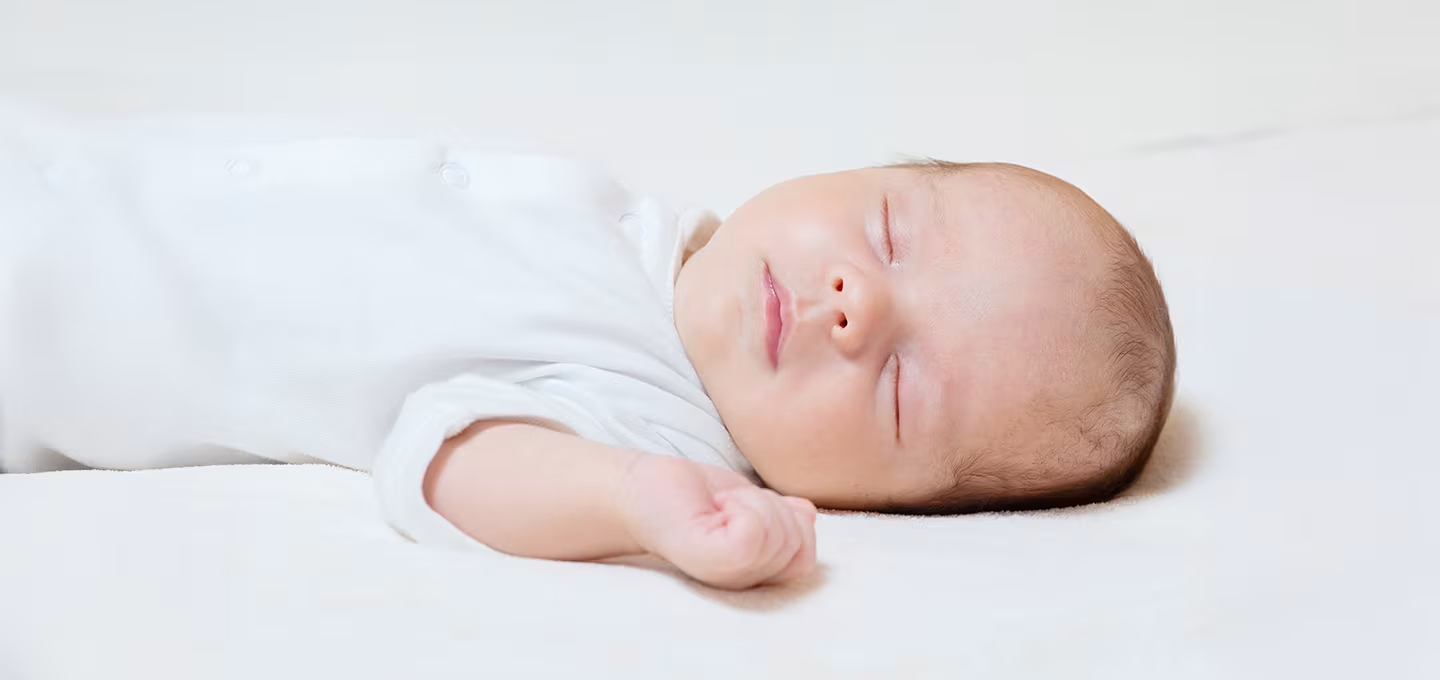
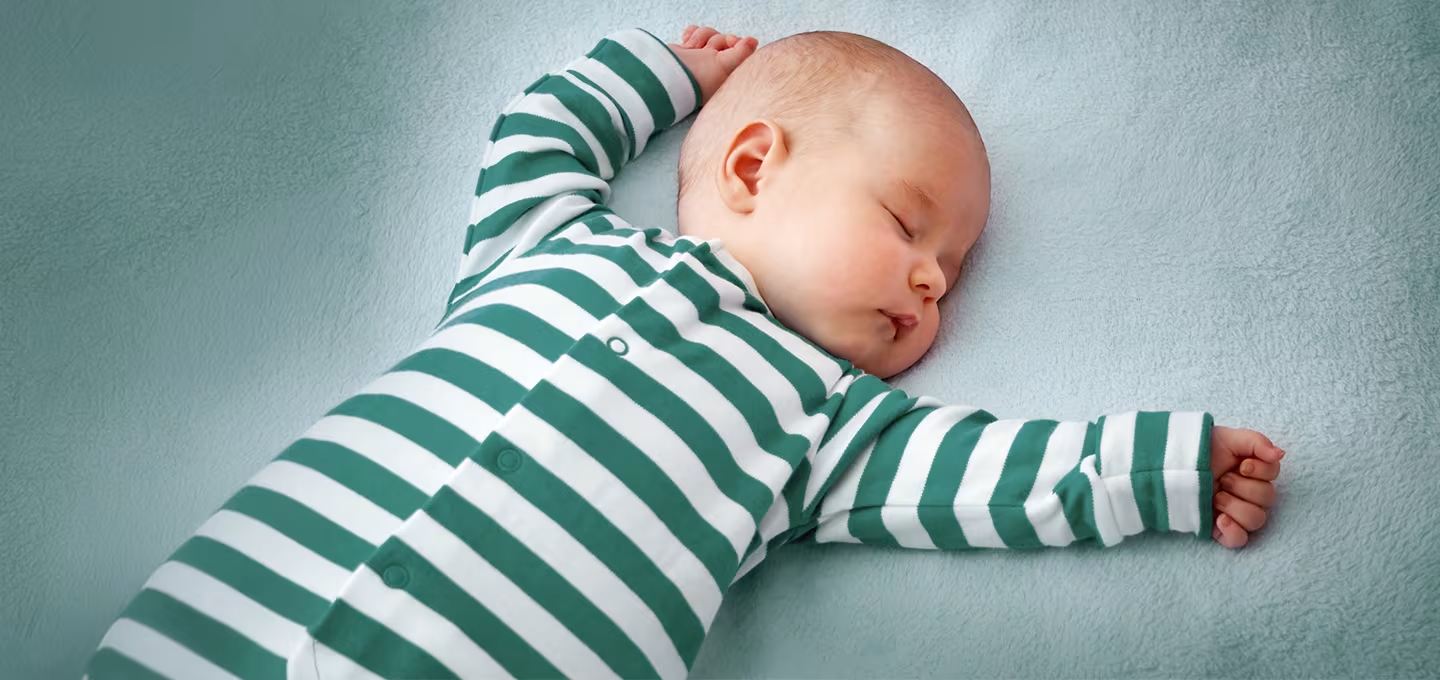
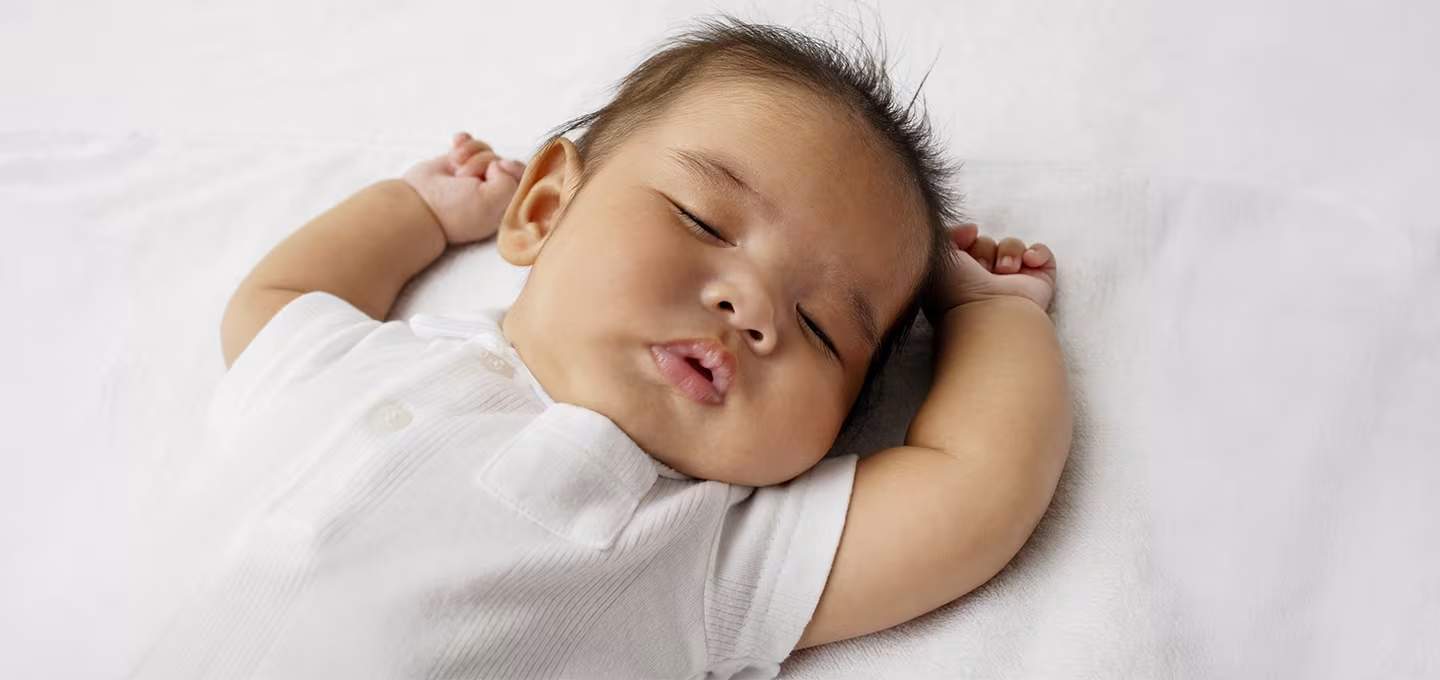
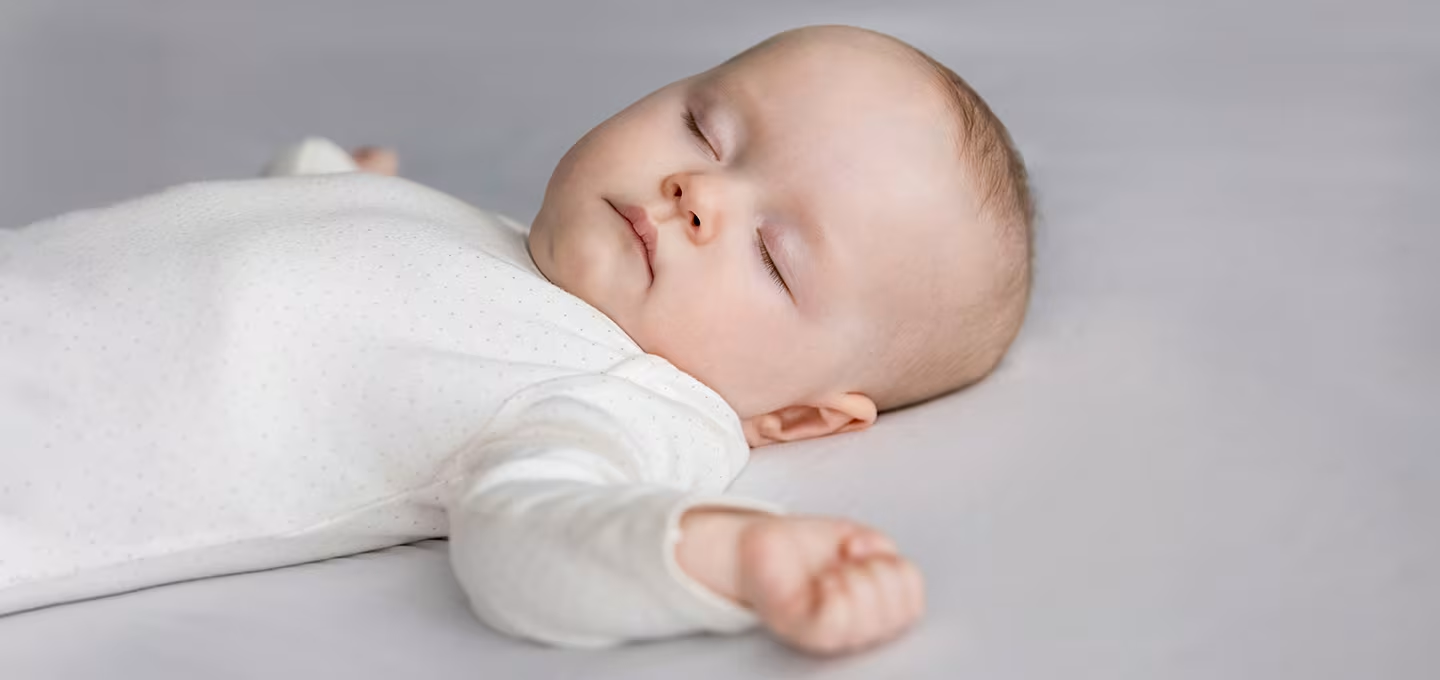
Dreams can be a confusing and intriguing concept—especially when it comes to babies! Research shows that adults dream every night (and we're sure you can relate), but many parents wonder, " Do babies dream?"
While some scientists believe that babies do dream, even though there's no way to know exactly what they dream about, others argue that a baby's brain isn't mature enough to start dreaming, raising the question: " When do babies dream?"
Despite the uncertainty, many parents still wonder, " When do babies start dreaming? " Read on to learn more about when babies start dreaming, what babies might dream about, and when bad dreams might begin.
Do Babies Ever Dream?
The question, " Do babies dream? " is more complex than you might think. Some scientists believe that babies do dream, though what they dream about remains a mystery since they can’t tell us. Others suggest that babies don't dream because their brains aren't mature enough yet. One reason some experts think babies can dream is that they spend up to 50% of their sleep in the REM (Rapid Eye Movement) stage—the stage of sleep where dreaming occurs. For adults, only 25% of sleep is REM. The REM stage is also where memory processing happens, and for adults, there's a significant link between memories and dreams.
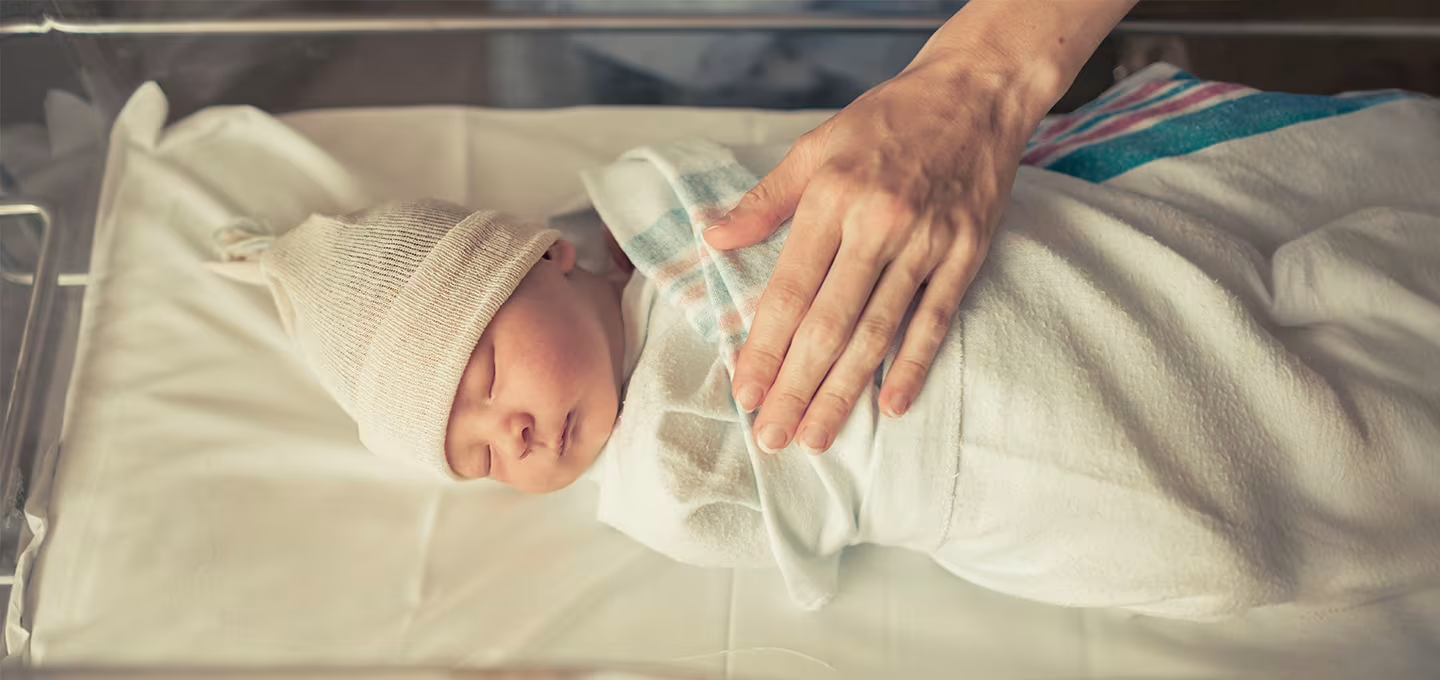
Research around baby sleep shows that sleep is linked to their physical and cognitive growth, which includes memory and language development. Since babies sleep a lot more than adults to support their rapid growth, and many theories say dreams are based on memories, this suggests they may, in fact, be able to dream. Newborns can sleep up to 18 hours a day—giving them plenty of dream time.
But on the flip side, others believe newborns and babies aren’t really dreaming. Any signs they may be dreaming are just their brains busy developing, and any sudden movement could be their Moro reflex in action.
When Does a Baby Start to Dream?
Answering the question, " When do babies start to dream? " is also not straightforward. Just like with everything around baby dreams, opinions and research differ.
For example, some think that a baby starts to dream in the womb. Ultrasound observations have shown that REM sleep in babies looks like that of adults—the stage of sleep where older children and adults are known to dream. Other research has shown that a baby's brainwave patterns in the womb resemble those during REM sleep.
Some research suggests that babies might start dreaming soon after birth. Since newborns spend about half of their sleep in REM, they have a lot of time for it.
Other studies show that babies might start dreaming as early as six months old. However, it's usually around age two when toddlers can start to tell you about their dreams. " Nightmares become more common between the ages of three and twelve.
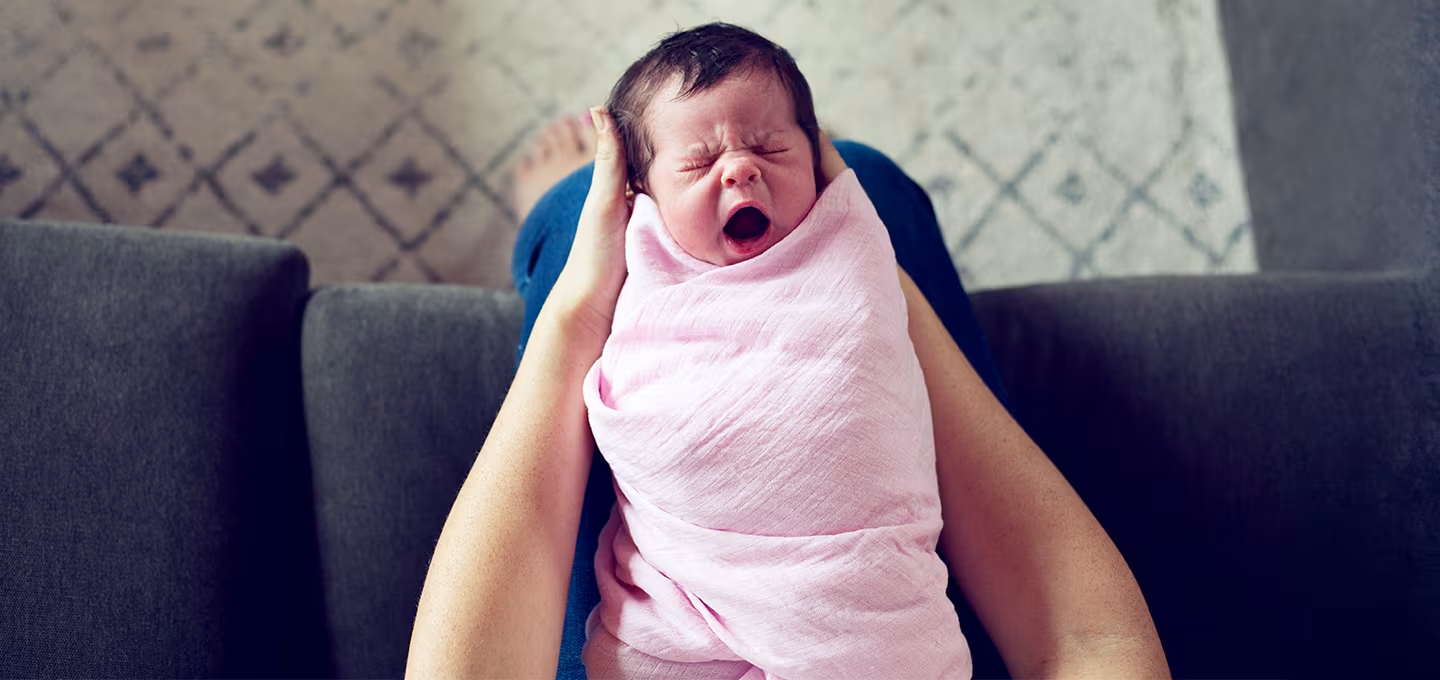
Keep in mind that babies wake frequently in the early months not because of dreams, but because their circadian rhythm isn't fully developed yet, and they need to eat often to fuel their growth and fill their tummies. And if you're wondering why little babies move so much while they sleep often it's just their startle reflex, which will go away as they grow.
What Does a Baby Dream About?
You might be wondering, " Do babies dream about their surroundings? " What exactly do babies dream about? People often ask, " Do babies dream about their parents, or about their time in the womb?" While many scientists believe that a baby's brain is not capable of dreaming, others think they may be dreaming about their experiences. For adults, dreaming happens during the REM stage of sleep, which is when our brains process stored memories. Since newborn memories are shaped by their time in the womb, it could make sense that they're dreaming about those early experiences or memories. However, other theories about why we dream include regulating emotions, managing fears, or forgetting problems—all of which don't really apply to babies. For babies in the womb, some believe they could be dreaming about life in the womb or sounds from their mother.
Either way, it's hard to know since a baby can't tell us what they're dreaming about (and often we don't remember our dreams anyway). Your baby will often start to be able to tell you about their dreams once they're older, around two years old.
Do Babies Have Bad Dreams?
It's hard to know if a baby has a bad dream. Babies wake often in the middle of the night crying because they're hungry or uncomfortable.
Since nightmares usually don't peak until around three years old, it's unlikely that your baby is having a bad dream if they wake up upset during the night. However, older babies who do dream can have a bad dream. Unlike a nightmare though, a bad dream usually won't cause your baby to wake abruptly and very upset or make it hard for them to fall back asleep.
If your baby wakes often at night and you’re concerned they are having a bad dream, take this free 3-minute sleep quiz. We can personalize a plan based on your baby’s sleep patterns or struggles to help them start sleeping better at night.
FAQs at a Glance
Usually, a baby cries when they're hungry, not necessarily because of a dream. Since babies sleep often at the beginning of their life, crying and sleep will happen close together. They may wake up crying to let you know they're hungry.
The Bottom Line
Even though we know dreams are linked to memory processing during REM sleep, it’s unclear if a young baby can dream.
Research supports both sides of the argument, and without being able to communicate with us, who knows if we'll ever be able to find out.
If you’re worried that your baby’s dreams are disrupting their sleep, download the Smart Sleep Coach by PampersTM app. Built by pediatricians and sleep experts, the science-backed app is your perfect partner for creating a sleep schedule and environment that's proven to help your baby sleep like a dream.
- Acta Biomedica Atenei Parmensis, “Dream recall frequency and psychosomatics”
- ClevelandClinic.org, “Sleep”
- Current Problems in Pediatric and Adolescent Health Care, “Sleep Regulation, Physiology and Development, Sleep Duration and Patterns, and Sleep Hygiene in Infants, Toddlers, and Preschool-Age Children”
- Infancy, “Infant motor development predicts the dynamics of movement during sleep”
- Journal of Developmental and Behavioral Pediatrics, “Primitive Reflexes and early motor development”
- Nature and Science of Sleep, “Infant sleep and its relation with cognition and growth: a narrative review”
- PLOS One, “On the development of sleep states in the first weeks of life”
- Sleep Foundation.org, “Nightmares in Children”
- Trends in Cognitive Science, “Dreaming and the brain: from phenomenology to neurophysiology”