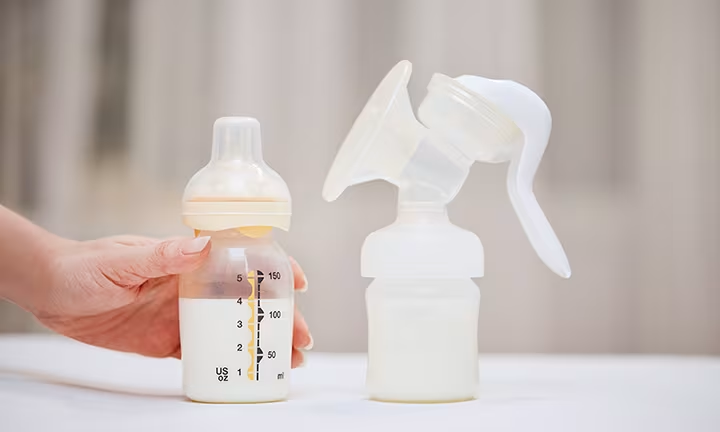
Breast Milk Pumping: Techniques, Tips, and Benefits
Breast pumping is an essential resource for many breastfeeding parents—whether you're going back to work, managing your milk supply, or seeking more flexibility in feeding. There are several important points every parent should know to make pumping more effective and less stressful. Understanding how to choose the right pump, create a pumping schedule, store breast milk safely, and maintain your equipment can significantly enhance your breastfeeding experience.
Here’s a quick look at what you’ll learn:
Whether you're preparing for your first session or troubleshooting, this guide to breast pumping will help you make informed, confident choices. Let’s dive into the essentials every pumping parent should know.
Choosing the Right Breast Milk Pump for You
To begin pumping milk from the breast, you’ll need a breast pump that suits your lifestyle. Understanding the different types of pumps is key to choosing the right one, especially if you’re balancing pumping with breastfeeding or work.
When selecting the right breast pump, consider the following factors:
Speaking to a lactation consultant can help you find the best pump for your needs. Take a look at our chart below for a general overview of the types of breast pumps to help you decide.
Types of Breast Pumps
Tip
Check with your healthcare provider and insurance carrier, or with the WIC program (Special Supplemental Nutrition Program for Women, Infants, and Children) in your state, about buying or renting your breast pump and having the cost covered through your health insurance or WIC.
How to Use Breast Pumps
Here’s a simple guide on how to use a manual or electric breast pump properly:
It’s important to read the instruction manual for your specific breast pump to ensure you know how to use it properly.
Can You Pump Colostrum?
You can pump colostrum, though it may be easier to hand express due to its thick texture. This “first milk” is packed with nutrients and immunity boosters.
Even a few drops of colostrum are incredibly beneficial for your newborn.
When to Start Pumping Breast Milk
If you're wondering, “When can I start pumping?” it depends on your goals. Some start soon after giving birth, while others wait about 3 to 4 weeks after birth to establish breastfeeding. If you’re breastfeeding, waiting a few weeks may help you and your baby settle into a breastfeeding routine and allow your milk supply to become well established.
You may decide to pump because you’re returning to work or school, or perhaps you’ll be apart from your baby for a period of time. If that’s the case, start pumping a few weeks beforehand to get the hang of it and get your baby used to bottle feeding.
Wondering how to start pumping while breastfeeding? Try:
Pumping at Work After Having a Baby
Returning to work and still want to give your baby breast milk? Pumping at work is doable with planning and support:
If your employer doesn’t provide this comfortable space for you, speak up and let them know what is needed for you and other nursing parents in the workplace.
How Often Should You Pump?
How often and how many times a day or night you “should” pump depends on your individual situation and whether you’re exclusively pumping or you’re combining it with breastfeeding. One pumping schedule doesn’t necessarily fit all!
Here’s a general guide on pumping frequency, but remember that this is flexible based on your situation and what feels right for you.
Do you have to pump at night? If you're exclusively pumping, night sessions help maintain milk supply.
Whether you’re breastfeeding, pumping, or formula feeding, check out our guide on how much a newborn should eat, which includes a helpful feeding schedule.
How to Combine Breastfeeding and Pumping
Combining breastfeeding and pumping is a flexible way to meet your baby's needs and ease engorgement. Here's how:
How Long Should You Pump Breast Milk For?
Wondering, “How long should I pump breast milk?” Whether you’re wondering how long each session should be, or how long you should continue pumping for overall, we’ve got the information to help guide you:
As you start breastfeeding or pumping less, your milk supply will gradually decrease.

What Are the Benefits of Pumping Breast Milk?
Breast pumping can provide numerous benefits to both the parent and baby. Here are some of the benefits of pumping along with breastfeeding or exclusive pumping:
The Challenges of Pumping Breast Milk
Though pumping is a relatively straightforward process, some parents may encounter a few issues along the way. Here are a few potential challenges of pumping breast milk:
Of course, everyone is different, and you will soon find what works best for you and your little one. If you have any concerns or need any help with pumping, contact your healthcare provider or a lactation consultant for more advice.
FAQS AT A GLANCE
Pumping helps remove breast milk from your breasts, which stimulates and maintains milk production, especially if your baby isn't nursing directly. Over time, regular pumping can help establish or increase milk supply. Some people may notice temporary breast fullness, sensitivity, or slight discomfort at first, but this usually improves as your body adjusts. Using the correct flange/cup size and suction settings is key to avoiding nipple pain, clogged ducts, or engorgement.
The Bottom Line
Breast pumping can be a great way for you to provide breast milk for your baby. It’s important to understand when to start, how to pump, and how often to pump, as well as the benefits pumping offers. Whether you decide to combine breastfeeding and pumping, or exclusively pump, you and your little one will soon fall into a feeding schedule that works best for you both. Be sure to consult your healthcare provider or a lactation consultant if you have any questions or concerns.
- American Academy of Pediatrics, Caring for Your Baby and Young Child: Birth to Age 5, 7th ed. (New York: Bantam Books, 2019).
- American Academy of Pediatrics, Heading Home With Your Newborn: From Birth to Reality, 3rd ed. (Elk Grove Village, IL: American Academy of Pediatrics, 2015).
- Mayo Clinic. Guide to Your Baby’s First Years, 2nd ed. (Rochester, MN: Mayo Clinic Press, 2020).
- Cleveland Clinic. “Benefits of Breastfeeding.”
- Cleveland Clinic. “Breast Pump.”
- Cleveland Clinic. “Colostrum.”
- Healthy Children. “Expressing Breastmilk on the Job.”
- LLLI. “The Power of Hand Expression.”
- LLLI. “Pumping Milk.”
- Kids Health. “Breastfeeding FAQs: Pumping.”
- Kids Health. “How to Pump and Store Breast Milk (Video)”
- Mayo Clinic. “Solid foods: How to get your baby started.”
- Womenshealth.gov. “Pumping and Storing Breast Milk.”