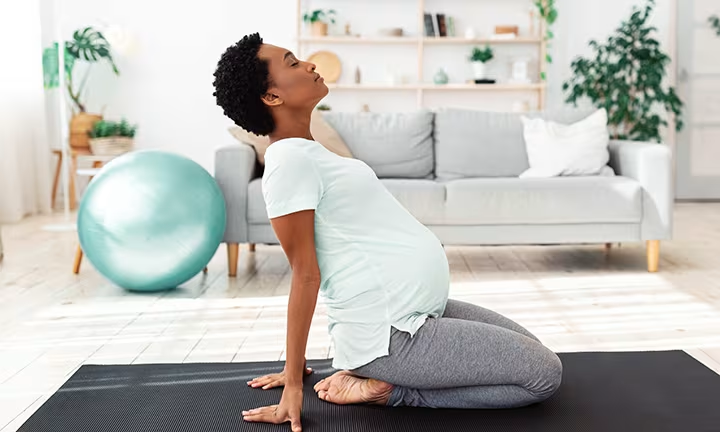
Exercise During Pregnancy: Get Moving With Safe and Simple Pregnancy Exercises


Pregnancy is a beautiful thing, but it can be a little uncomfortable and even challenging at times. Exercise during pregnancy might help alleviate many common pregnancy discomforts, benefit the overall health of you and your baby, and boost your mood and your energy level! So, whether you’re looking for ways to incorporate early pregnancy exercises at home or want to know which exercises to avoid during pregnancy, check out the tips and insights we've compiled, along with some safe stretches and simple movements you can add to your fitness routine.
Benefits of Exercise During Pregnancy
Exercise in general can do a lot of good for your pregnant body. Besides strengthening your heart and lungs and improving overall fitness, exercise for pregnant women can help reduce common discomforts, tone and prepare your muscles for labor, boost your energy levels, help you sleep better, and increase blood flow.
During your pregnancy, try your best to squeeze in at least 30 minutes of moderate-intensity aerobic exercise, five days a week. This could be brisk walking, gardening, or dancing! Whatever gets your heart rate up and strengthens strategic muscles will help you reap these valuable benefits. Of course, any amount of exercise is helpful during pregnancy, so it’s OK if you don’t make it to 150 minutes each week.
Either way, any time spent moving your body will help you obtain the following benefits.
Decreasing Discomfort
When pregnant, you may experience some symptoms or conditions that are uncomfortable, such as digestive issues, body aches, muscle pain, swollen feet and hands, and fatigue.One of the benefits of pregnancy exercises is that they may minimize some of these common discomforts and conditions, including:
In Summary
Exercise during pregnancy can help alleviate some common discomforts you may feel as your body grows and changes, including digestive issues, swelling, and aches and pains.

Improving Energy Levels and Mood
Your body is working hard during pregnancy, and you might feel more lethargic than usual. Or you may not be getting enough sleep or enough restful sleep, which commonly happens due to stress or not being able to find a comfortable sleeping position as your baby develops.
Pregnancy exercises increase blood flow and release endorphins (natural “happy” chemicals in your brain), which can help combat pregnancy fatigue boost your mood, relieve stress and anxiety, and increase energy levels. Plus, exercise can give you a sense of control at a time when your body and daily life are changing.
Toning Muscles to Prepare for Labor
At the same time as relieving discomforts and boosting energy, pregnancy exercise helps your body prepare for labor, especially within those muscle groups around your hips and abdomen. You might also experience Braxton Hicks contractions as early as your third trimester. Known as practice contractions or “false labor,” these contractions simulate labor and are also working your muscles to prepare for delivery!
Practice is important because labor can be hard work. Having toned muscles, a healthy heart, and strong lungs can help make the process more comfortable. Additionally, exercise during pregnancy can assist you with breathing, which will come in handy during labor and delivery.
In Summary
Labor is hard work, but you can help prepare your body by toning specific muscles, strengthening your heart and lungs, and practicing breathing techniques. These are all benefits of exercise during pregnancy!
Increasing Blood Flow
Another perk of exercise during pregnancy, especially swimming, walking and running while pregnant, is that it increases blood flow throughout your body, benefiting your baby and strengthening your heart, lungs, and blood vessels. This benefits your little one, as physical activity can increase blood flow in the umbilical cord, which then boosts circulation in the placenta and supports your baby’s heart.
Supporting Healthy Weight Gain
Exercise during pregnancy can help you maintain a healthy weight for your body type. You can use our Pregnancy Weight Gain Calculator to determine your pre-pregnancy BMI and track your weight within ranges that are recommended for your body.
Keep in mind that weight gain during pregnancy is totally normal and necessary, with much of the added weight coming from your developing baby, fluids in your body, and a growing placenta. But by incorporating some exercise into your pregnancy, you can help ensure that you’re not gaining too much weight in the form of fat. And by maintaining an exercise routine while pregnant, you may be able to lose weight more easily after pregnancy, too.
May Reduce Risks of Complications
By incorporating exercise into your pregnancy, you may decrease the risk of certain complications, including gestational diabetes, preeclampsia, and cesarean delivery. If you already have preeclampsia or gestational diabetes, talk with your healthcare provider to determine if exercise is a good choice for you.
In Summary
There are many benefits of exercise during pregnancy. By incorporating about 30 minutes of exercise into your daily routine (five times a week), you can help
Best Types of Exercise During Pregnancy
Considering all the benefits of exercise during pregnancy, you might be ready to jump on board and get moving—but perhaps you don’t know where to start. Generally speaking, there are some types of exercises for pregnant women that are better than others when you're pregnant, and some to avoid during pregnancy (always check with your healthcare provider to make sure it’s OK for you to exercise while pregnant, especially if you haven't been physically active before you became pregnant).
Most experts agree that the best pregnancy exercises involve aerobic activity. Look for low impact but also moderately intense exercise, meaning you’re moving the big muscles in your body (arms and legs) enough to raise your heart rate and break a sweat, but not enough to lose your breath completely. Think of it this way: You can still chat with your baby bump, but you can’t sing!
General Exercise and Activity During Pregnancy
There are plenty of safe forms of pregnancy exercises you can try during pregnancy, including the following:
Tip
The breathing and meditation techniques you may learn in practicing yoga, tai chi, and Pilates can be useful in labor and delivery. By relaxing, concentrating, and meditating, you may lessen the pain of labor.
Safe and Simple Exercises for Pregnancy
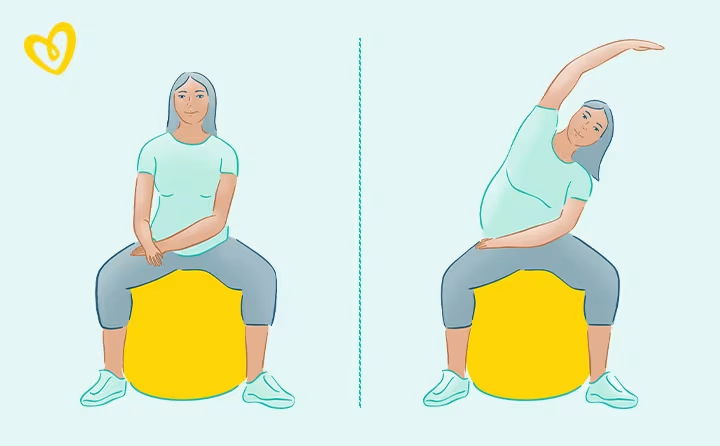
Now that you know what kind of exercise is best during pregnancy, you can also consider incorporating some specific stretches and movements to help strengthen the muscles in your abdomen, back, hips, and pelvic floor, which are where common pregnancy aches and pains tend to linger.
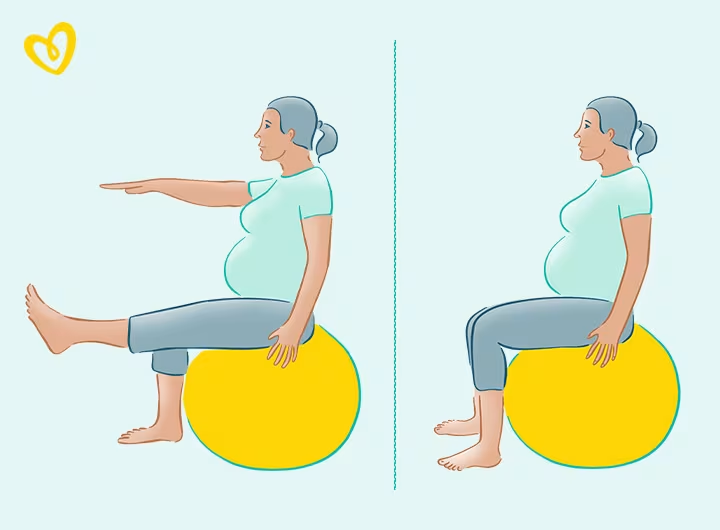
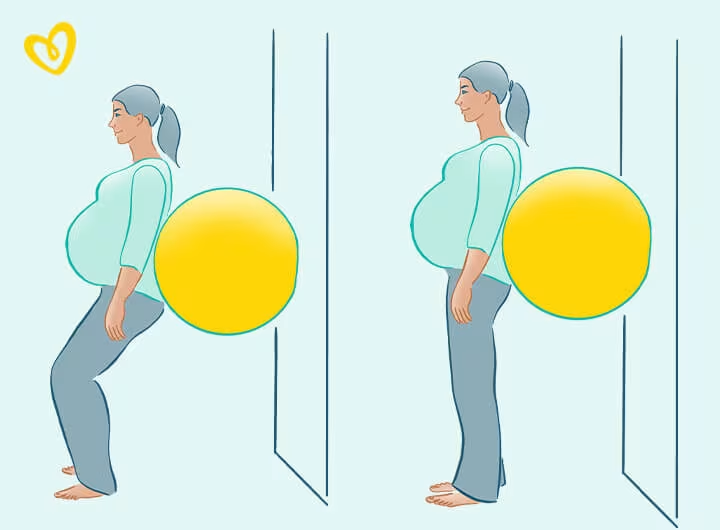
If you don’t want to leave the comfort of your house or buy a gym membership, you can try these simple pregnancy exercises at home. You’ll need a yoga ball or exercise ball for a few of them.
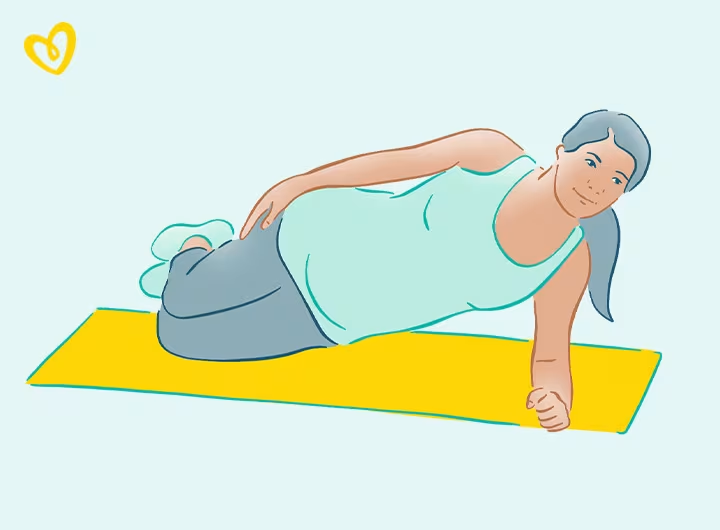
Ab Exercises for Your Pregnancy
If you’re currently pregnant or have been pregnant in the past, then you know it can be a struggle just to sit up with that baby bump in the way! As your baby develops, your abdominal muscles slowly stretch to make room, putting pressure on that muscle group.
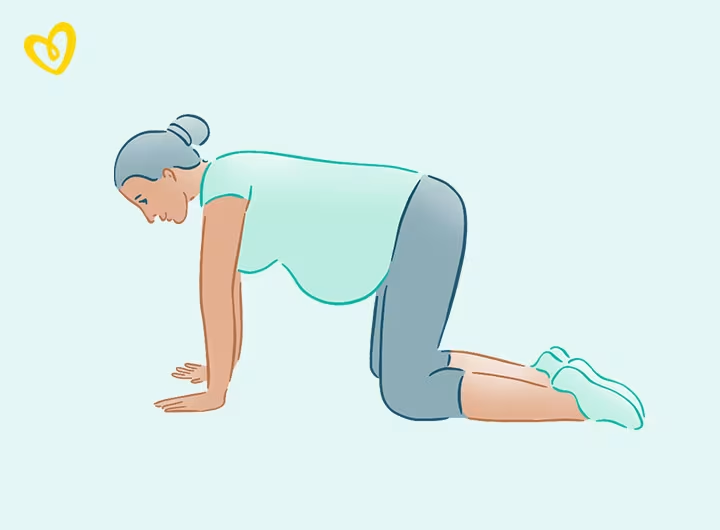
Ab exercises for pregnancy can help strengthen and support your body as you get bigger and help keep those typical aches and pains in check. They’re also ideal for exercising after pregnancy to help rebuild lost abdominal strength. Plus, they’re perfect as pregnancy exercises at home. Some excellent ab exercises for pregnancy include:
Back Exercises for Your Pregnancy
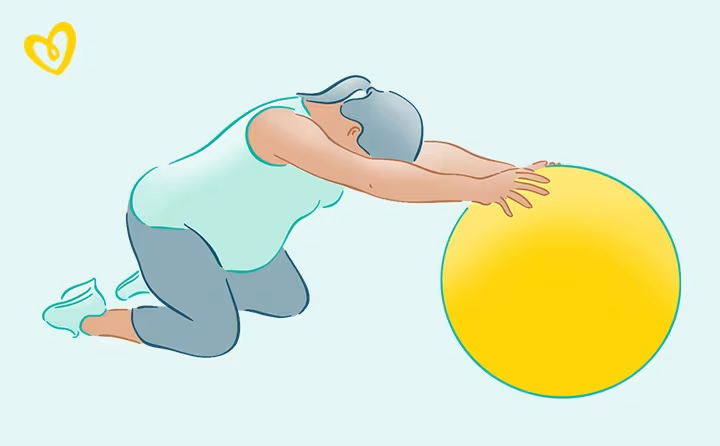
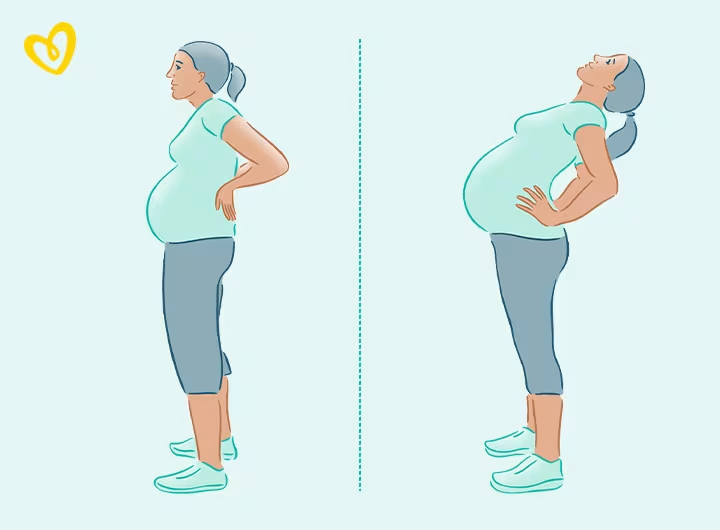
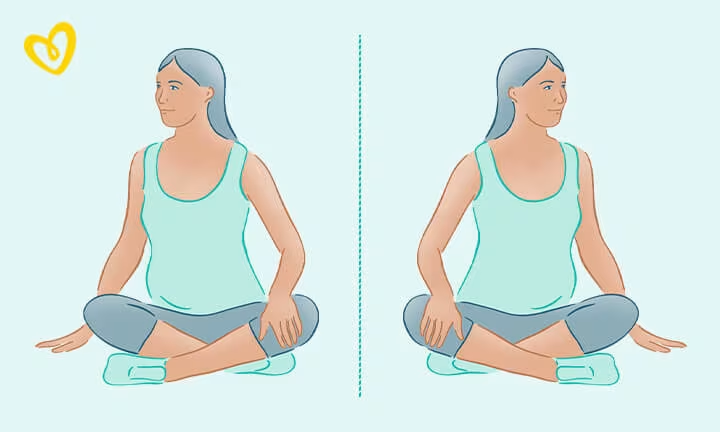
As your pregnancy progresses, you might start to experience some back pain, especially in the lower back. An expanding and shifting uterus, stretching abdominal muscles, extra weight, and hormonal changes all play a role. Body changes weaken your muscles and put stress on your joints—the perfect recipe for back pain.
Luckily, there are a number of stretches and movements that help ease your aching back. Try these safe and gentle back exercises for pregnancy:
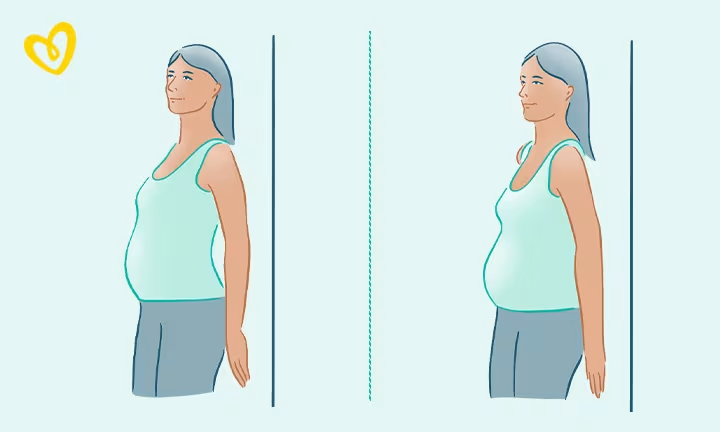
Lower Body Exercises During Pregnancy
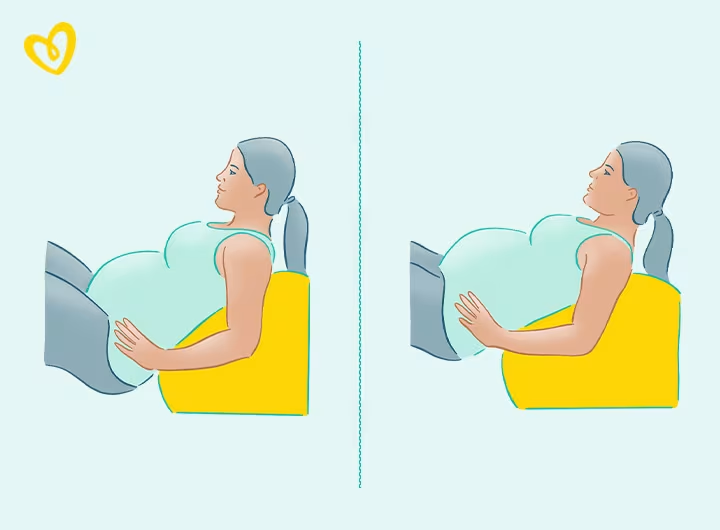
During childbirth, your pelvic muscles, nerves, and joints get a serious workout. As your pregnancy progresses, you may experience some pelvic bone pain as your hormones prompt the loosening of joints to prepare for delivery. Exercising this muscle group, plus your lower-body muscles, might help reduce pain and prepare your body for labor.
In addition to the abdominal exercises listed above, you can also try the following lower-body and pelvic floor exercises to alleviate pain in pregnancy:
Tip
One quick note: The use of any type of exercise, including yoga ball exercises, to induce labor during pregnancy is not backed up by scientific evidence and is not recommended. Always avoid activities that could affect your balance or lead to injury.
Dos and Don’ts of Exercise During Pregnancy
During your pregnancy, it’s most likely OK to perform any type of exercise mentioned above. But, of course, you want to stick to safe exercise and know what to avoid during pregnancy. We’ve compiled a list of the most common dos and don’ts but always consult your healthcare provider before you start exercising.
Dos of Exercising During Pregnancy
As you start exercising or building an exercise routine, consider the following tips to help you stay safe and healthy:
Some common signs that tell you to stop exercising and contact your healthcare provider include:
Don’ts of Exercising During Pregnancy
Knowing what not to do with pregnancy exercises is important, too, especially when your body is changing and growing. Consider the following things to avoid when exercising while pregnant:
Who Shouldn’t Exercise During Pregnancy
Before you start any exercises for pregnancy or begin an exercise program, consult your healthcare provider. Some health conditions may limit your options, while others might require you to avoid exercising altogether. Among these conditions are:
Exercise and Sports to Avoid During Pregnancy
Though you'll want to follow your healthcare provider's guidance on what's best for you during your pregnancy, there are some general types of activity, sports, and exercises for pregnant women to avoid. Most of the following could put you at risk for falling and hurting yourself or your baby:
Summary
Consult your healthcare provider before starting any exercise program or routine during pregnancy, as there are certain conditions that limit physical activity. But in general, it’s best to avoid fast-paced activities or those that could cause you or your baby harm, like contact sports, hot yoga, scuba diving, or skiing.
FAQS AT A GLANCE
You can start exercising as soon as you find out you’re pregnant! There are many benefits of exercise during pregnancy, including helping to tone strategic muscle groups and preparing your body for labor. Before beginning any exercise program, consult with your healthcare provider.
The Bottom Line
Whether it’s your first or fifth pregnancy, exercises can help you along the way, alleviating those typical aches and pains and preparing your body for labor. Try to get moving and squeeze in some exercise (walking, gardening, yoga, etc. ) each day during pregnancy, if possible. For more ideas, download our free guide to exercising while pregnant.
If you’re at the end of your pregnancy and looking toward the future, feel free to incorporate the aforementioned exercises (side planks, pelvic tilts, back bends, wall slides, seated twists, etc. ) into your postpartum routine! Exercise after pregnancy is just as helpful as exercise during pregnancy.
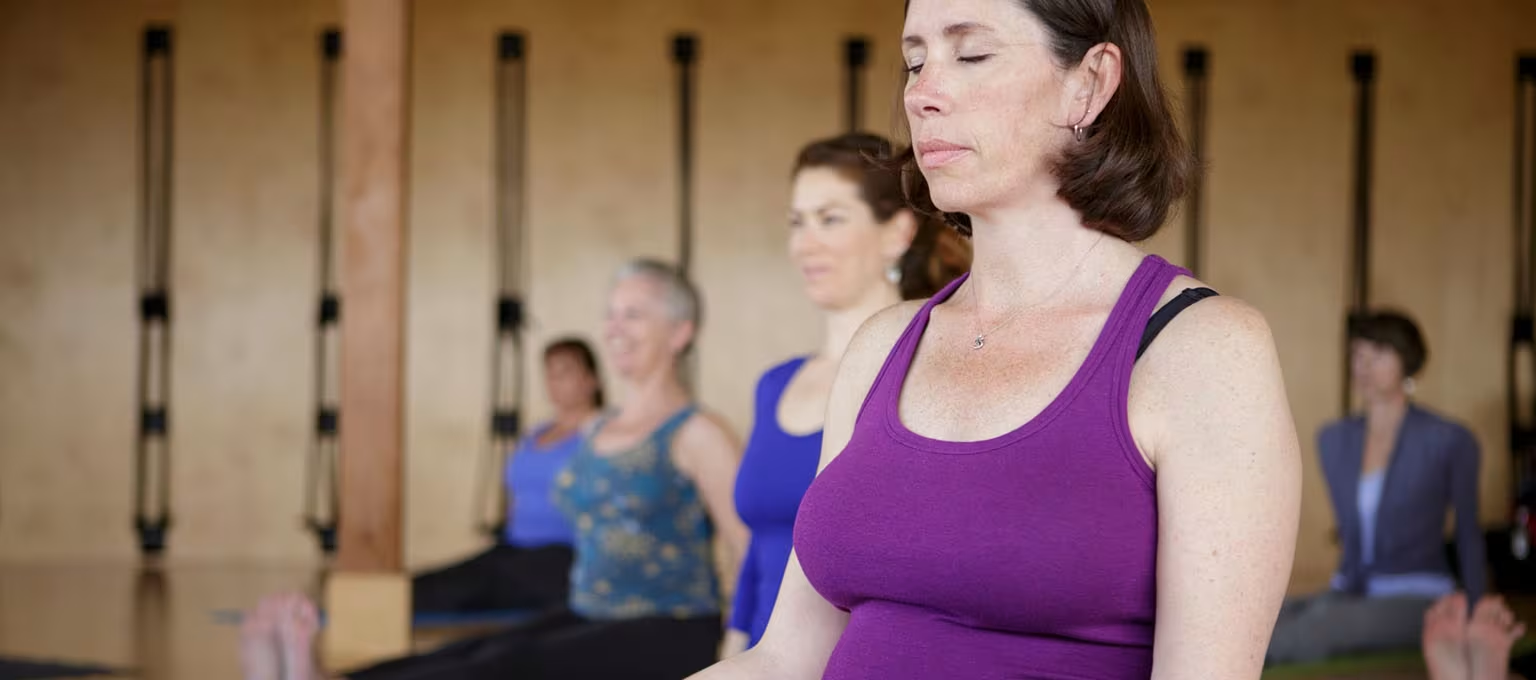
Prenatal Yoga: Benefits, Poses, and Tips During Pregnancy
Prenatal yoga can be a safe way to exercise during pregnancy. Read on to learn about all the benefits and how you can tailor yoga practice to each trimester.
Read more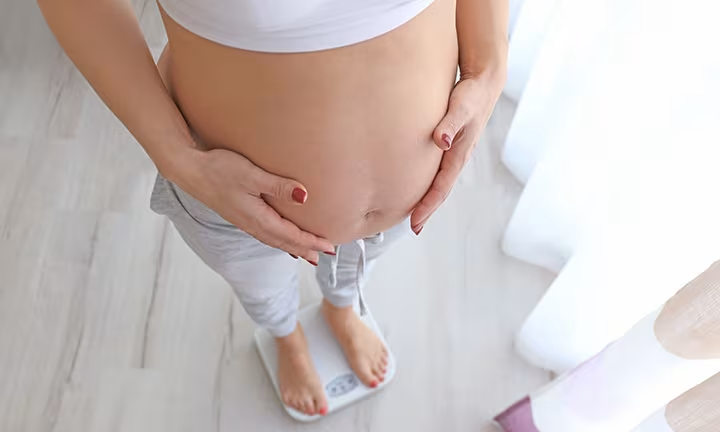
All About Pregnancy Weight Gain
By Leigh Lindsey
Most weight gain during pregnancy is due to your developing baby, but everyone experiences it differently. Learn all about pregnancy weight gain with our guide.
Read more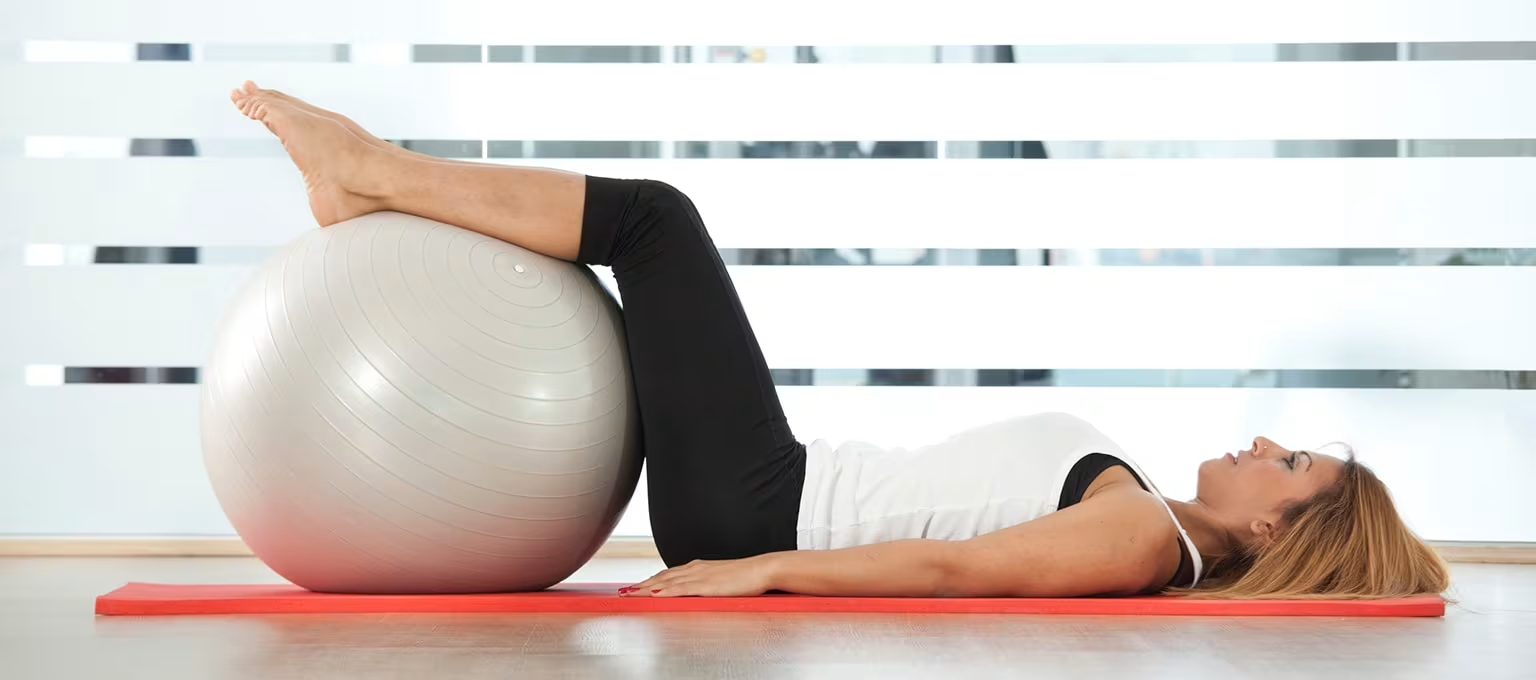
Why Kegel Exercises Are Great During and After Pregnancy
Kegel exercises involve squeezing and relaxing muscles in the pelvic and genital areas. Learn more about how to strengthen your pelvic floor during and after pregnancy.
Read more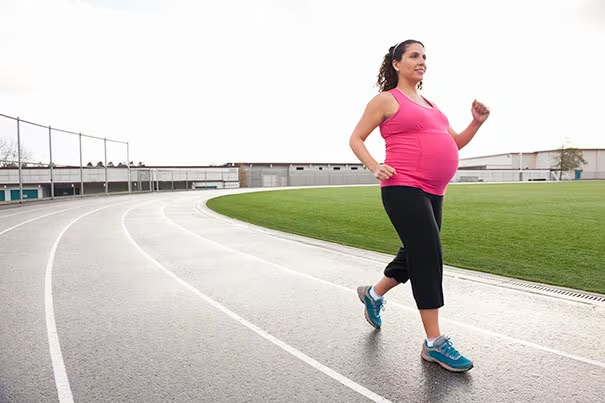
Hit the Road: Guide to Running While Pregnant
Running while pregnant can help you stay fit and blow off steam while carrying your baby. Read our list of dos and don'ts to make sure you stay safe.
Read morePrenatal Yoga: Benefits, Poses, and Tips During Pregnancy
Prenatal yoga can be a safe way to exercise during pregnancy. Read on to learn about all the benefits and how you can tailor yoga practice to each trimester.
Read moreAll About Pregnancy Weight Gain
By Leigh Lindsey
Most weight gain during pregnancy is due to your developing baby, but everyone experiences it differently. Learn all about pregnancy weight gain with our guide.
Read moreWhy Kegel Exercises Are Great During and After Pregnancy
Kegel exercises involve squeezing and relaxing muscles in the pelvic and genital areas. Learn more about how to strengthen your pelvic floor during and after pregnancy.
Read moreHit the Road: Guide to Running While Pregnant
Running while pregnant can help you stay fit and blow off steam while carrying your baby. Read our list of dos and don'ts to make sure you stay safe.
Read morePrenatal Yoga: Benefits, Poses, and Tips During Pregnancy
Prenatal yoga can be a safe way to exercise during pregnancy. Read on to learn about all the benefits and how you can tailor yoga practice to each trimester.
Read moreAll About Pregnancy Weight Gain
By Leigh Lindsey
Most weight gain during pregnancy is due to your developing baby, but everyone experiences it differently. Learn all about pregnancy weight gain with our guide.
Read moreWhy Kegel Exercises Are Great During and After Pregnancy
Kegel exercises involve squeezing and relaxing muscles in the pelvic and genital areas. Learn more about how to strengthen your pelvic floor during and after pregnancy.
Read moreHit the Road: Guide to Running While Pregnant
Running while pregnant can help you stay fit and blow off steam while carrying your baby. Read our list of dos and don'ts to make sure you stay safe.
Read more