
All About Pregnancy Fatigue


It’s natural to feel tired throughout your pregnancy as your body adjusts to a storm of pregnancy hormones as well as physical changes that take place right up until your due date. However, pregnancy fatigue will ebb and flow over the trimesters: You may feel more tired one month and more energetic the next. Find out about pregnancy fatigue and what you can do to feel just a little less tired.
First Trimester Fatigue
In the first trimester, your levels of progesterone will shoot up, which can make you sleepy. Your metabolism also revs up and burns more energy, and this can also contribute to fatigue in early pregnancy. Lower blood pressure and the increased production of blood also drain energy, and that’s not to mention the emotional roller coaster you may be going through during your pregnancy.
And, it’s not just hormones that can make you feel exhausted. Other pregnancy symptoms may also affect your sleep, including morning sickness (which, despite its name, can also strike at night) and frequent urination. These two troublesome symptoms may prevent you from getting enough Zs to beat fatigue.
Second Trimester Fatigue
There's a reason folks call the second trimester the honeymoon phase of pregnancy. By now, your body has gotten used to the rush of pregnancy hormones, so you'll feel more energized and ready to start prepping for your baby's arrival. Even though the worst of the fatigue usually eases up, it's still normal to feel tired sometimes. Just listen to your body and take it easy when you need a breather.

Third Trimester Fatigue
By the third trimester, you’ll probably feel exhausted again as the baby gets big. You may find your bump, as well as symptoms like backaches and anxiety, will also get in the way of a good night’s sleep, and the pressure on your bladder will mean more nocturnal trips to the bathroom. This sudden exhaustion third trimester can be challenging, but it's a common experience.
How to Cope With Exhaustion During Pregnancy
You may feel as if your body is working extra hard to support your pregnancy, which will leave you feeling very tired. Here’s how you can boost your energy levels and cope better with fatigue:
When Is Fatigue a Sign of Something Else?
Feeling tired is usually nothing to stress over, but it can sometimes signal a health issue that needs a closer look. During pregnancy, not getting enough iron can put you at risk for anemia, and feeling exhausted might be a sign. Your doctor will likely run a blood test to check your iron levels.
If fatigue is coupled with a persistent feeling of sadness and loss of interest, it may be a sign of prenatal depression. Around 14 to 23% of pregnant women experience depression during pregnancy, which may be related to the hormonal changes their bodies are experiencing. If you feel you may be affected, be sure to discuss your symptoms with your practitioner.
Feeling worn out is pretty common when you're pregnant, so make sure to take care of yourself and your baby by eating right and getting enough rest. Your body’s going through a lot, and your mind is busy thinking about meeting your little one and prepping your home for her. No wonder you might feel sleepy now and then.
The Bottom Line
Pregnancy fatigue is completely normal and often fluctuates as your body works hard to grow and nurture your baby. Whether you’re feeling wiped out in the first trimester or struggling to sleep in the third, rest, good nutrition, and self-care can go a long way. And if anything feels off, be sure to check in with your healthcare provider.
Need a little extra motivation? Join the Pampers Rewards app to earn rewards for all those diaper changes and get tips tailored to your journey—because every little win counts.

Pregnancy Discharge: When Is It Normal and What Do Different Colors Mean?
Pregnancy discharge is usually normal, but it may indicate issues like infection. Know the signs and when to consult your healthcare provider.
Read more
Quickening and Fetal Movement
Wondering when you might feel your baby move for the first time? Learn more about what quickening is and all about fetal movement.
Read more
How Your Baby Bump Grows Week by Week
The first signs of a baby bump don’t typically appear until the second trimester, but read on to discover how your pregnancy belly grows and your body changes.
Read more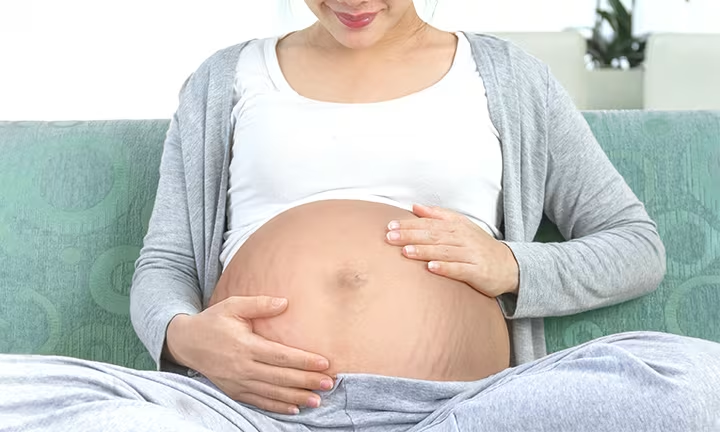
All About Stretch Marks During and After Pregnancy
As your body grows to accommodate your developing baby, you might get stretch marks. Learn what these marks are, when they may appear, and how to minimize them.
Read more
What Is Lightning Crotch During Pregnancy and What Causes It?
Lightning crotch: pregnancy's sudden jolts unraveled! Learn when it occurs, what causes it, and how to manage this discomfort with our simple guide.
Read more
I Struggled Through Hyperemesis Gravidarum Three Times and I’d Do It Again
Have you suffered with extreme nausea whilst pregnant? Read this inspiring account of how one mother motivated herself through her pregnancies.
Read more
Pregnancy Acne: Causes and Safe Treatment Options
Acne and facial breakouts during pregnancy are common. Read more about the causes of pregnancy acne, prevention strategies, and treatments you should avoid.
Read more
How to Cope With Constipation During Pregnancy
Constipation is a common symptom of the later stages of pregnancy. Learn what might cause it, when it usually starts, and discover remedies for some relief.
Read more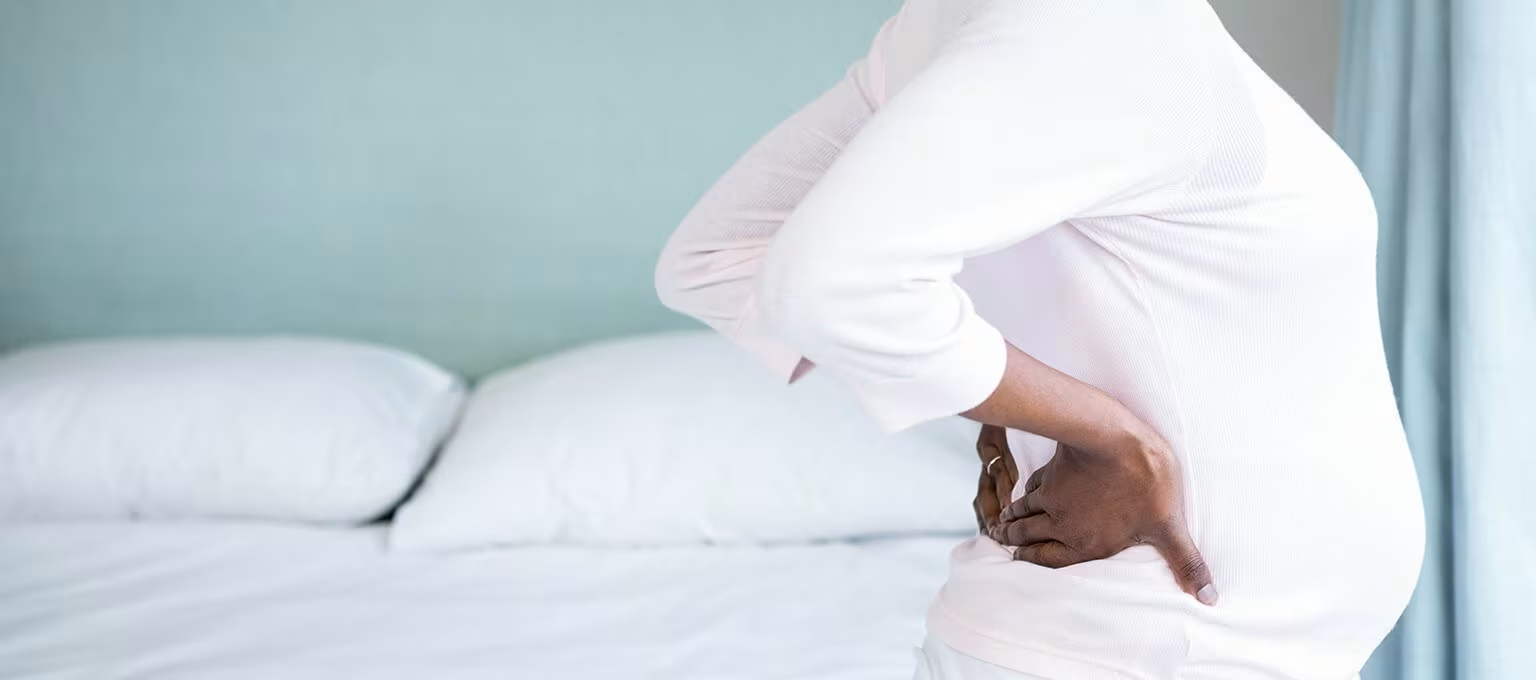
Back Pain During Pregnancy: Causes, Symptoms, & Relief Tips
Learn about the causes, symptoms, and relief tips for back pain during pregnancy. Find out when to contact your healthcare provider and get expert-backed strategies for comfort.
Read more
Linea Nigra: What It Is and When Does It Go Away?
By Charlotte Wool
Discover linea nigra: the natural pregnancy phenomenon of a dark vertical line on the abdomen. Learn causes, appearance, and care tips.
Read morePregnancy Discharge: When Is It Normal and What Do Different Colors Mean?
Pregnancy discharge is usually normal, but it may indicate issues like infection. Know the signs and when to consult your healthcare provider.
Read moreQuickening and Fetal Movement
Wondering when you might feel your baby move for the first time? Learn more about what quickening is and all about fetal movement.
Read moreHow Your Baby Bump Grows Week by Week
The first signs of a baby bump don’t typically appear until the second trimester, but read on to discover how your pregnancy belly grows and your body changes.
Read moreAll About Stretch Marks During and After Pregnancy
As your body grows to accommodate your developing baby, you might get stretch marks. Learn what these marks are, when they may appear, and how to minimize them.
Read moreWhat Is Lightning Crotch During Pregnancy and What Causes It?
Lightning crotch: pregnancy's sudden jolts unraveled! Learn when it occurs, what causes it, and how to manage this discomfort with our simple guide.
Read moreI Struggled Through Hyperemesis Gravidarum Three Times and I’d Do It Again
Have you suffered with extreme nausea whilst pregnant? Read this inspiring account of how one mother motivated herself through her pregnancies.
Read morePregnancy Acne: Causes and Safe Treatment Options
Acne and facial breakouts during pregnancy are common. Read more about the causes of pregnancy acne, prevention strategies, and treatments you should avoid.
Read moreHow to Cope With Constipation During Pregnancy
Constipation is a common symptom of the later stages of pregnancy. Learn what might cause it, when it usually starts, and discover remedies for some relief.
Read moreJoin a World of Support
through Pregnancy and Parenthood.
TRACK WITH TOOLS
LEARN WITH EXPERTS
GET REWARDED




Where You Already Belong