Skip to main contentSkip to search
Baby with mom

How a Lactation Consultant Can Help You

3 min readUpdated April 23, 2025

A lactation consultant can be a valuable resource for mothers and babies, especially if you’re a first-time mom who's new to breastfeeding. Read on to get answers to some frequently asked questions about how a lactation consultant can help you and your baby.

What Is a Lactation Consultant?

A lactation consultant can help nursing moms get started and help navigate any possible challenges associated with breastfeeding your baby, such as getting the proper latch or dealing with sore nipples.

An international board-certified lactation consultant (IBCLC) is a breastfeeding specialist and counselor, a professional who goes through a rigorous training process to become certified. They must have had medical education, breastfeeding education, experience in a clinical setting such as at a hospital, and have passed an exam. When you choose an IBCLC, you know you’re getting someone qualified to give you the help and support you need.

What Can You Expect From a Lactation Consultant?

A lactation consultant can provide information, guidance, and hands-on instruction around the topic of breastfeeding. Here are some examples of what a lactation consultant can offer:

  • Counseling and advice if you have any concerns or questions about breastfeeding

  • Specific tips on breastfeeding and guidance on topics like breastfeeding positions, latch, low breast milk supply, breast or nipple pain, burping your baby, and how to calm your baby if they get fussy before or during a feed

  • Helpful demonstrations on how to breastfeed if you have flat, inverted, or very large nipples

  • Advice on dealing with mastitis, engorgement, breast infections, or plugged milk ducts

  • Recommendations on how to go about breastfeeding if you plan to return to work

  • Information on how to express breast milk and its proper storage

  • Suggestions for how to go about breastfeeding after breast surgery

  • Tailored instruction on breastfeeding if you have twins, triplets, a preemie, or an infant with a medical concern.

What Questions Should You Ask a Lactation Consultant?

Breastfeeding for the first time is a new frontier, and meeting with a lactation consultant can help shed some light on important questions and concerns you may have. Here are some questions you might consider asking your lactation consultant about breastfeeding:

  1. Am I breastfeeding correctly? This is a common worry and a great question to put to your consultant. Let them know how it feels when you nurse, too. Breastfeeding shouldn’t hurt—it may feel like a tug or a pull, not a bite or a chew.

  2. What are some ways to hold my baby when I'm nursing? Your lactation consultant can show you several different breastfeeding positions and help you find one that works well for you and your baby. If you have a newborn, you might opt for a cross-cradle hold or even or football hold. Once your baby hits 3 or 4 months old, you could try the more traditional cradle hold.

  3. How often should I feed my baby? Newborns want to feed whenever they're hungry, which could mean around 10 to 12 times a day.With your lactation consultant's help, you can learn to pick up your baby's early hunger cues, which could include:

  • Wiggling

  • Opening his mouth

  • Sticking his tongue out

  • Bringing his hands to his mouth

But if your baby is crying, that is a late cue. Consider feeding them whenever you see the above cues.

  1. How long should I continue to breastfeed? It’s recommended that you breastfeed exclusively for your baby’s first six months, and then continue breastfeeding after you introduce solid foods to your baby's diet. Your lactation consultant can offer lots of advice and support to enable you to nurse your baby for your desired time.

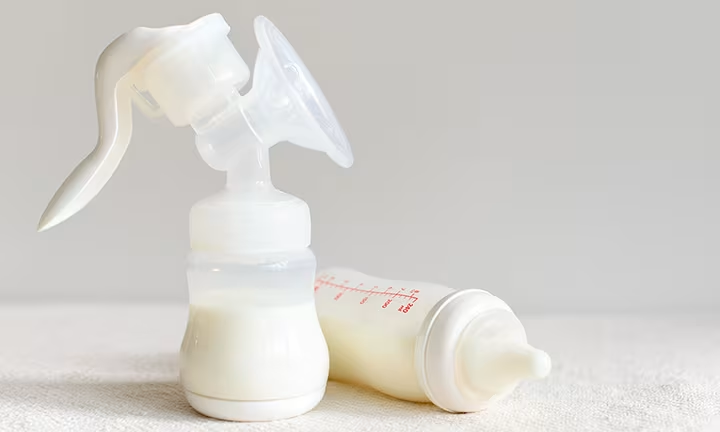
  2. How often should I pump, and how does a breast pump work? If you're new to pumping, a lactation consultant can help you get into a good routine and make sure everything is working smoothly with your pump. They might suggest pumping twice a day—once about 30 minutes after your baby’s first feeding and then again in the afternoon. They can also answer any questions you have about storing and freezing your breast milk.

How Do You Find a Lactation Consultant?

You may be able to find a lactation consultant at your local hospital, birthing center, public health clinic, pediatric office, or in a private practice. You may even discover there are breastfeeding classes taught by an international board-certified lactation consultant in your local area.

Ask your healthcare provider, your childbirth education instructor, or your baby’s pediatrician if you need help choosing the right lactation consultant for you or would like information on how to go about finding one. You can also check the International Lactation Consultant Association’s website [https://ilca.org/contact-us/] to help you locate one in your area.

The National Women’s Health and Breastfeeding Helpline is another resource for breastfeeding advice and recommendations on finding a lactation consultant. Call 1-800-994-9662 Monday through Friday, 9 a. m. to 6 p. m. ET.

When Should You Call a Lactation Consultant?

It’s a good idea to start hunting for a lactation consultant before your baby is born. This way you have ample time to find one you trust when you are not in the thick of caring for your newborn.

Of course, if you decide you would like the support of a lactation consultant even after your baby’s birth, you can reach out and find one then.

When Is It Too Late to See a Lactation Consultant?

It’s not necessarily ever “too late” to seek out a lactation consultant! For example, if you find that after giving birth you would like help in breastfeeding but you don’t have a lactation consultant lined up, talk to your healthcare provider about finding a one who can help as soon as possible.

You might start breastfeeding within the first hour after you deliver your newborn. Though the nurses can assist you during those first few feeds, many hospitals also have lactation consultants on staff or on call to support new mothers.

If you have issues later on (such as mastitis, for example), you can seek help from a lactation consultant at that point, even if you hadn’t needed help earlier.

The Bottom Line

Planning to nurse your baby? Having a skilled lactation consultant can make a big difference, whether you're just starting or dealing with any breastfeeding challenges.

Finding a lactation consultant is easy. Begin by asking your healthcare provider for recommendations in your area. Start by speaking with your healthcare provider for recommendations in your local area.

Whether you're a first-time mom with numerous questions or an experienced one with specific concerns, there's breastfeeding support ready for you.

The information in this article is based on the expert advice found in trusted medical and government sources, such as the American Academy of Pediatrics and the American College of Obstetricians and Gynecologists. You can find a full list of sources used for this article below. The content on this page should not replace professional medical advice. Always consult medical professionals for full diagnosis and treatment.

Related Articles

See more articles
See more articles
Slide 1 of 10
How to Increase Your Breast Milk Supply
Breastfeeding and Formula12 min read

How to Increase Milk Supply: Diet and Low Supply Causes

Struggling with low milk supply? Discover what to eat to increase breast milk and explore common causes behind low supply with expert-backed guidance.

19 useful breastfeeding tips
Breastfeeding and Formula20 min read

Breastfeeding Tips to Support Your Journey

For some new parents, it can be hard to get started with breastfeeding, but these tips and positions can help you and your baby get the hang of it.

Breastfeeding Positions
Breastfeeding and Formula6 min read

Breastfeeding Positions: Best Holds for Comfort, Latch, & Bonding

Learn the best breastfeeding positions for newborns and beyond, tips to avoid pain, and how proper holds support a healthy latch and comfortable feeding.

power pumping to increase breast milk supply
Breastfeeding and Formula6 min read

Power Pumping to Increase Your Breast Milk Supply

By Christopher B. Peltier

For nursing moms desiring more output, power pumping is a proven strategy. Learn the best power pumping schedule to optimize lactation effectively.

Breastfeeding facts
Breastfeeding and Formula5 min read

10 Fascinating Things About Breastfeeding You Might Not Know

Did you know that breast milk not only nourishes your baby, but also has antibodies which can help fight infections? Read more fascinating facts about breast milk you might not know.

breastfeeding in public
Breastfeeding and Formula4 min read

5 Tips for Breastfeeding in Public

If you’re thinking about breastfeeding your baby in public, here are some tips to get prepared, how to do it comfortably, and what to bring with you.

Breastfeeding and Caffeine – Is It Safe?
Breastfeeding and Formula4 min read

Caffeine and Breastfeeding

Find out how much caffeine it’s safe to consume while breastfeeding and what effect too much caffeine can have on your breastfeeding baby’s health and well-being.

Weaning: How To Stop Breastfeeding
Breastfeeding and Formula9 min read

When to Wean a Baby Off Breastmilk

By Christopher B. Peltier

Weaning from breastfeeding is a gradual process. Learn when and how to wean, signs your baby is ready, and tips for a smooth transition for both of you.

Breast milk storage
Breastfeeding and Formula6 min read

How to Store Breast Milk: All About Proper Storage

Discover safe storage tips to extend breast milk shelf life. Learn how to defrost and reheat pumped milk accurately for your baby's needs.

Breast engorgement
Breastfeeding and Formula4 min read

Breast Engorgement: What it Is, its Symptoms, Treatment, and More

Sometimes your breasts can become engorged and uncomfortable as they fill up with milk. Find out more about the symptoms and treatment for breast engorgement.

How to Increase Your Breast Milk Supply
Breastfeeding and Formula12 min read

How to Increase Milk Supply: Diet and Low Supply Causes

Struggling with low milk supply? Discover what to eat to increase breast milk and explore common causes behind low supply with expert-backed guidance.

19 useful breastfeeding tips
Breastfeeding and Formula20 min read

Breastfeeding Tips to Support Your Journey

For some new parents, it can be hard to get started with breastfeeding, but these tips and positions can help you and your baby get the hang of it.

Breastfeeding Positions
Breastfeeding and Formula6 min read

Breastfeeding Positions: Best Holds for Comfort, Latch, & Bonding

Learn the best breastfeeding positions for newborns and beyond, tips to avoid pain, and how proper holds support a healthy latch and comfortable feeding.

power pumping to increase breast milk supply
Breastfeeding and Formula6 min read

Power Pumping to Increase Your Breast Milk Supply

By Christopher B. Peltier

For nursing moms desiring more output, power pumping is a proven strategy. Learn the best power pumping schedule to optimize lactation effectively.

Breastfeeding facts
Breastfeeding and Formula5 min read

10 Fascinating Things About Breastfeeding You Might Not Know

Did you know that breast milk not only nourishes your baby, but also has antibodies which can help fight infections? Read more fascinating facts about breast milk you might not know.

breastfeeding in public
Breastfeeding and Formula4 min read

5 Tips for Breastfeeding in Public

If you’re thinking about breastfeeding your baby in public, here are some tips to get prepared, how to do it comfortably, and what to bring with you.

Breastfeeding and Caffeine – Is It Safe?
Breastfeeding and Formula4 min read

Caffeine and Breastfeeding

Find out how much caffeine it’s safe to consume while breastfeeding and what effect too much caffeine can have on your breastfeeding baby’s health and well-being.

Weaning: How To Stop Breastfeeding
Breastfeeding and Formula9 min read

When to Wean a Baby Off Breastmilk

By Christopher B. Peltier

Weaning from breastfeeding is a gradual process. Learn when and how to wean, signs your baby is ready, and tips for a smooth transition for both of you.