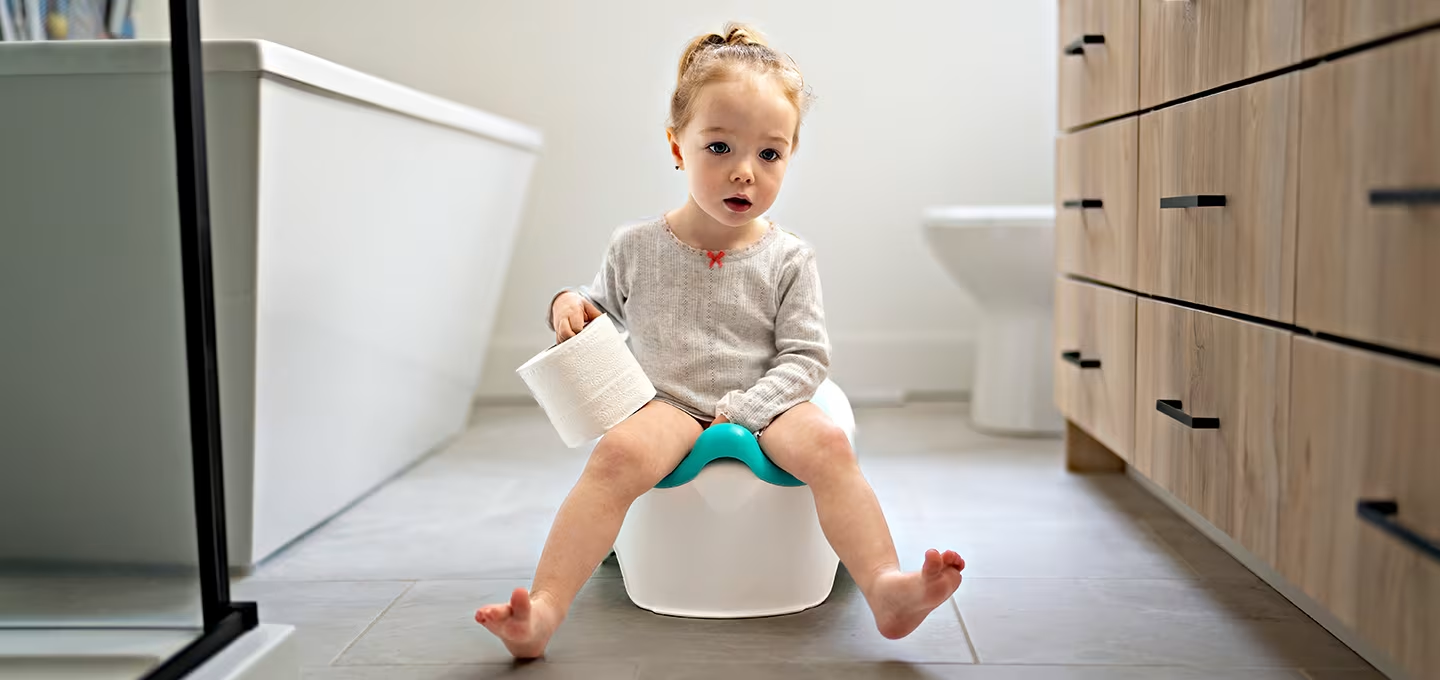
Potty Training Girls—Your Essential Guide


Key Takeaways
Potty training girls is about readiness, not age. Many toddlers show signs between 18 and 24 months. Look for cues like staying dry for two hours, following simple directions, and showing interest in the potty.
Potty training girls is less about the “right age” and more about the right moment—when your child shows physical, cognitive, and emotional readiness. Many girls start sometime between 18 and 24 months, but a later start is also normal (and often easier). With a simple setup, consistent routines, and calm encouragement, you can make the switch from diapers to potty training pants feel doable for both of you.
Next, we’ll break down a practical step-by-step plan to start potty training your little girl and keep progress steady.
When to Start Potty Training Girls
Each little girl is different, so if you’re wondering about the best age to potty train girls, you’ll find that there isn’t a specific age, but rather a readiness for potty training.
Based on readiness, many parents find that the average age to potty train a girl is between 18 and 24 months; however, some children may not be ready until the age of 3. Both are completely fine. It’s best not to rush things, as starting potty training too soon might delay the process.
So, when do you start potty training a girl? The best time is when she shows signs of readiness for potty training.
Here are a few things to pay attention to, like whether she can:
Most importantly, ask yourself whether your little girl seems interested in using the toilet or spending less time in diapers.
If you mostly answered yes to the above points, then she might be ready for potty training. If you mostly answered no, now may not be the best time for potty training, but you could try again later when she shows more signs of being ready.
Remember that potty training girls is a journey that requires time and patience. It’s also essential to provide positive reinforcement when she succeeds and to avoid expressing anger or visible frustration when you experience setbacks. Allowing her the space to learn the ropes at her own pace will positively enhance the experience.
Parents also ask… Can I potty train my girl at night first? Nighttime training often comes after daytime success, around age 3-4. Use potty training pants and limit evening drinks to ease into it. What diet helps with potty training girls? High-fiber foods like fruits and veggies prevent constipation. Avoid sugary snacks that can upset tummies during training. |
How to Potty Train a Girl: Step-by-step
If you’re wondering how to start potty training a girl, you’re likely eager to help your toddler take this exciting step toward independence. Whether you’re exploring the best way to potty train a girl gradually or considering how to potty train in 3 days, the key is the same: follow her readiness cues, stay consistent, and keep the experience positive.
A gradual and supportive approach is generally recommended. Focus on your child’s development—not the calendar.
Here’s a clear, supportive guide to help with potty training for girls.
Step 1: Watch for Readiness Signs
Before deciding how to start potty training a girl, make sure she’s ready. As we mentioned above, signs of readiness may include staying dry for at least two hours at a time, telling you when her diaper is wet or soiled, showing interest in the toilet, following simple instructions, and pulling pants up and down independently.
If you’re thinking about how to potty train a 2-year-old girl, readiness is especially important. Some 2-year-olds are ready, while others may need more time. The same applies if you’re considering how to potty train a 3-year-old girl—age alone doesn’t determine success.
Step 2: Prepare Before You Begin
Preparation makes a big difference in the best way to potty train a girl.
If you’re focusing on potty training your daughter in a way that builds confidence, involvement and preparation go a long way.
Step 3: Start With Sitting and Simple Routines
When learning how to start potty training a girl, begin with sitting on the potty at predictable times.
Encourage her to sit:
At first, she can sit fully clothed to get comfortable. Then gradually transition to sitting without a diaper. Short, low-pressure practice sessions are often most effective.
Step 4: Teach Proper Hygiene Early
An important part of potty training for girls is teaching healthy hygiene habits.
Show her how to:
Modeling these habits and practicing together can help her feel confident and capable.
Step 5: Encourage, Don’t Pressure
Accidents are part of the process—especially if you’re wondering how to potty train a girl in a week or hoping for quick results.
If she has an accident:
If you’re dealing with how to potty train a stubborn 3-year old girl, resistance may be a sign she needs a break. AAP guidance suggests pausing for a few weeks if training becomes a power struggle, then trying again in a low-pressure way.
Step 6: Transition to Underwear or Training Pants
Many parents find that potty training pants for girls offer a helpful bridge between diapers and underwear. They encourage independence while still providing reliable backup for accidents—which are completely normal during potty training.
You might try underwear during the day with close supervision, potty training pants for outings, preschool, or naps, and a gradual transition if your little girl feels hesitant about switching.
If you’re looking for a dependable option, Pampers offers a range of potty training pants for girls and boys, designed to support this stage of learning.
Pampers Easy Ups feature:
These potty training pants are designed to simplify potty training and minimize messy accidents for your little girl—helping to build confidence and independence.
Step 7: Make It Fun and Motivating
Keeping things light can make a big difference.
Try:
Praise effort as much as success. A simple “You’re learning!” can go a long way.
Step 8: Take the Potty on the Go
Consistency helps reinforce learning. If you’re out and about:
This helps her understand that using the potty isn’t just something that happens at home.
Tip
Remember to follow your little girl’s lead when it comes to potty training. Notice her signs of interest before making the next step. With time, patience, and a little creativity, you’ll make achieving this milestone a much easier process for you and your little girl.
Potty Training Tips for Girls
If you’re looking for helpful tips for potty training girls, consider trying the following suggestions to make the process smoother for you and your little one:
For more potty training tips for girls (and boys), read our dedicated guide.
Common Mistakes When Potty Training a Girl
How Long Does it Take to Potty Train a Girl
There isn’t a fixed timeline on how long potty training a girl should take. Your daughter may be more physically and cognitively ready for potty training compared to other children, allowing her to learn it more quickly.
It could also happen that your girl isn’t yet ready for potty training, and her process takes longer than that of other girls. Additionally, children with older siblings tend to pick up the process a lot faster as they can imitate their older siblings. That said, there are so many factors that play a role in potty training.
Overall, the process should take three to six months for her to fully grasp. If your little girl reaches the age of 4 and still isn’t potty trained, be sure to bring this up to your child’s healthcare provider.
Parents also ask… Why do girls potty train differently than boys? Girls often train faster due to earlier verbal skills and sitting comfort. They may focus more on wiping hygiene early on. However, every child is different, whether they’re a boy or a girl. Are there potty training regressions in girls? Yes, around age 3 or during big changes like a new sibling. Revert to basics with praise to get back on track quickly. |
What If Potty Training Isn’t Working?
If you’re searching for how to potty train a stubborn toddler girl, you’re not alone. Potty training can take time, and it’s common for progress to feel slow—or even stall.
It might just be a timing issue
Many children show signs of readiness between 18 and 24 months, but others may not be ready until closer to age 3 or beyond. Every toddler develops at their own pace.
If you have a 3-year-old girl who is not potty-trained yet, this doesn’t automatically mean there’s a problem. Some toddlers simply need more time to build the physical control, communication skills, and confidence that toilet training requires.
Setbacks are normal
Even after early success, accidents can happen. Changes in routine, starting preschool, travel, or stress at home can all lead to temporary regressions. This is common and usually short-lived.
Consider taking a break
If potty training has turned into a power struggle, the AAP suggests easing off for a few weeks. A low-pressure, supportive approach often works better than pushing too hard.
If you’re feeling concerned, your toddler’s healthcare provider can help rule out issues like constipation, which can interfere with toilet training. They can also offer reassurance and personalized guidance.
With patience, encouragement, and time, most toddlers get there—and your child will, too.
FAQS AT A GLANCE
Most children show signs of readiness for potty training between 18 and 24 months, but some may not be ready until age 3. According to the American Academy of Pediatrics (AAP), it’s best to follow your child’s developmental cues rather than focusing on a specific age.
The Bottom Line
Potty training a girl is an exciting milestone that requires time and patience. Only begin the process when your daughter seems ready for this big step—this can happen between 18 to 24 months or at the age of 3 years old. With positive reinforcement and a little creativity, your daughter will get the hang of potty training in a few months.
Don't worry if she is having difficulties with potty training; she may not be ready yet, and it's perfectly fine to take a break and try again later.
To earn rewards on those diapers and potty training pants, download the Pampers Rewards app and scan inside every pack you purchase.
Read more about Toddler
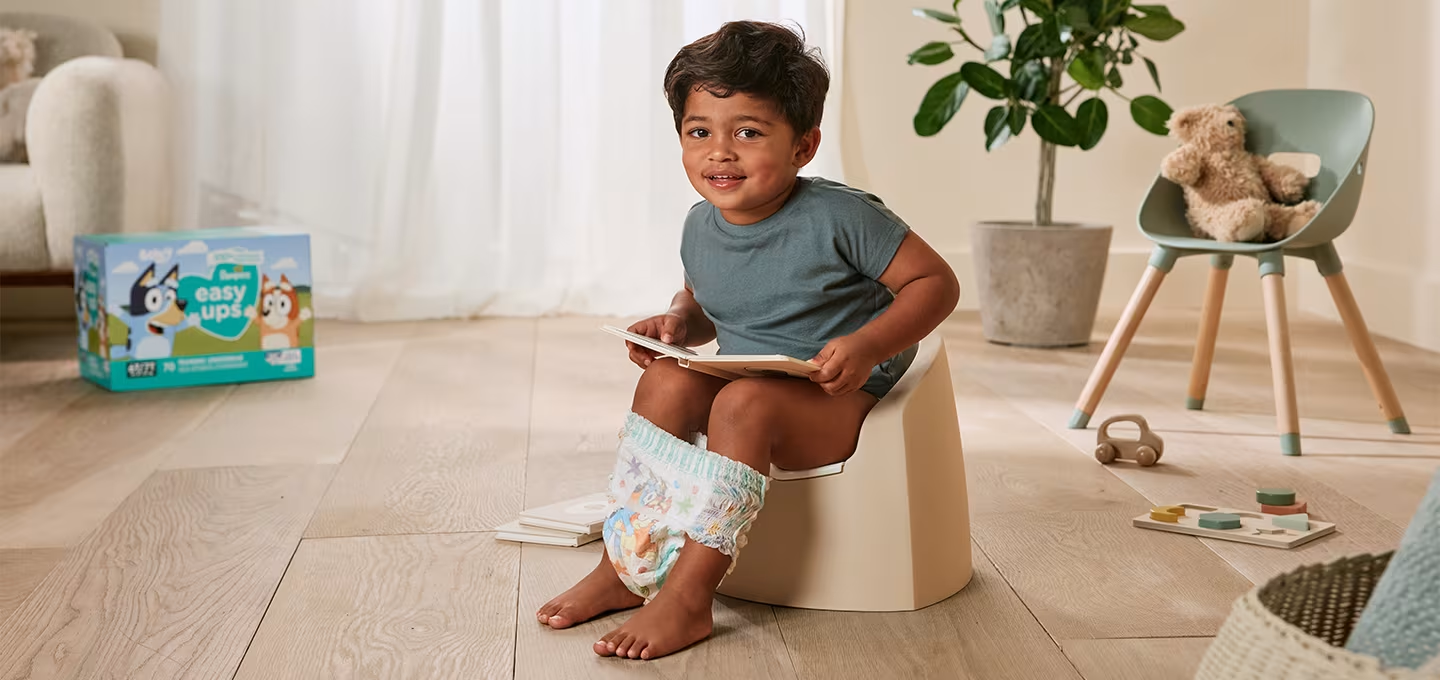
Your Guide to Potty Training Boys
Learn all about potty training boys and discover when it’s the right time and how best to potty train a boy.
Read more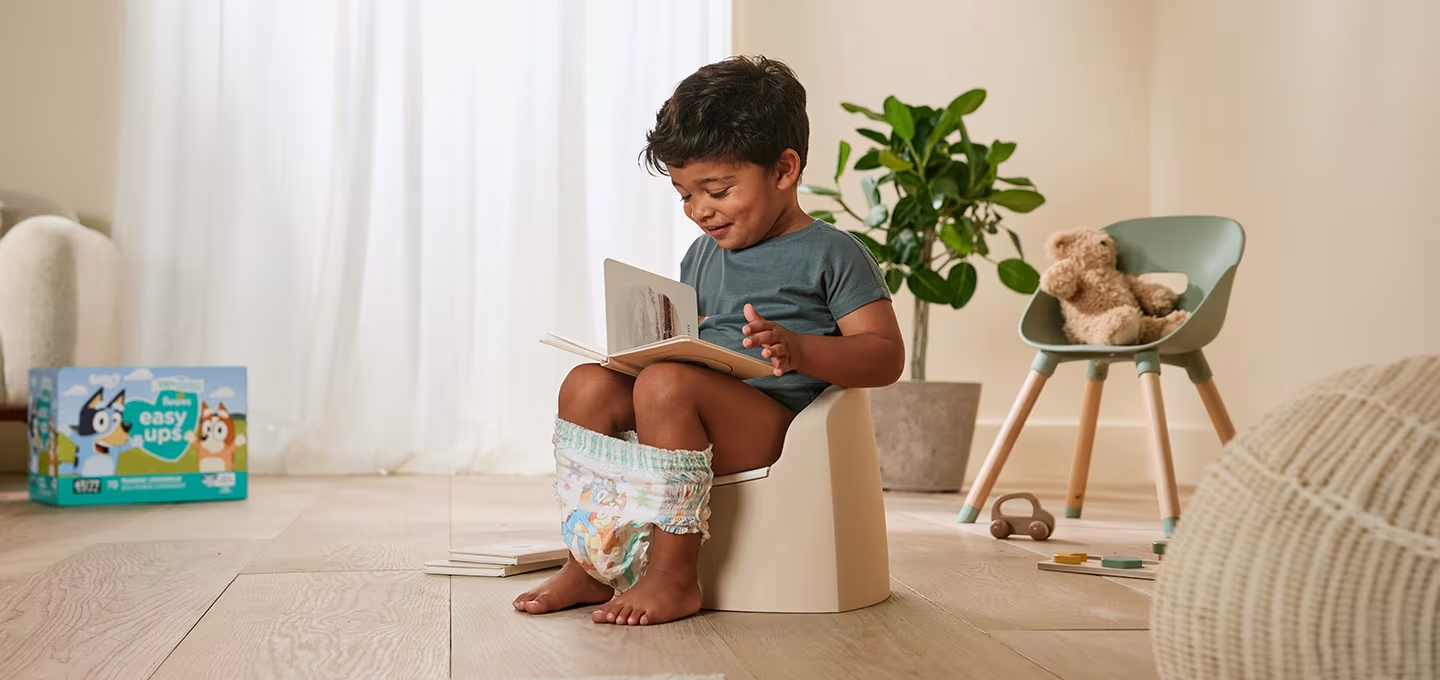
The 3-Day Potty Training Method—A Step-by-Step Guide
Interested in the three-day potty-training method? Learn tips you can use to toilet train your toddler using this method or any other method you decide to try.
Read more
When to Start Potty Training: 7 Signs Your Child Is Ready
By Madeline Johnson
Wondering when to start potty training? Learn the signs of readiness, best age to begin, and tips to help your toddler succeed.
Read more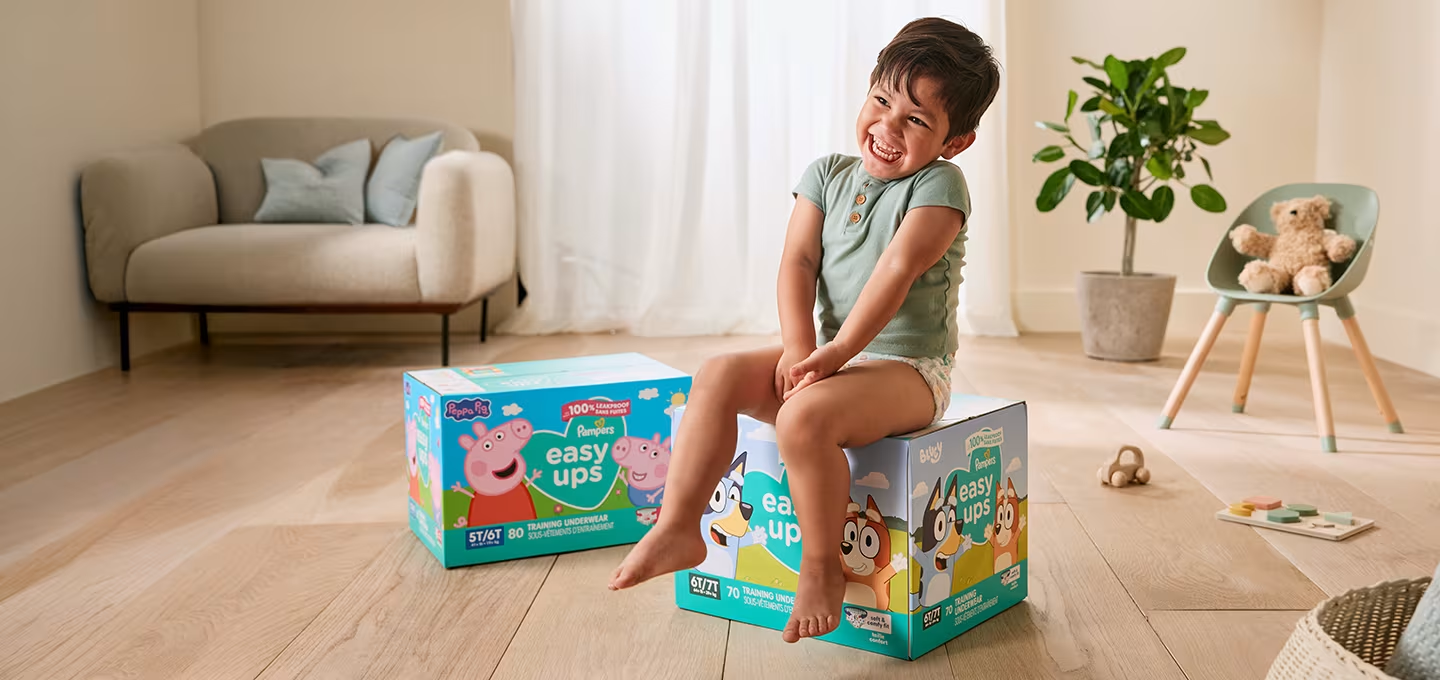
Nighttime Potty Training: When to Start and Tips to Help the Process
If your little one has mastered daytime dryness, it may be time to start nighttime potty training! We’ve got all the details, plus useful tips and tricks.
Read more
Are Training Pants a Good Idea?
By Nick Imholte
Curious about training pants? Find the benefits of training pants while potty training your child.
Read more
Potty Training at Day Care
By Madeline Johnson
Successful potty training at day care depends on the parent and day care provider working together. Find out how to build a great potty partnership.
Read more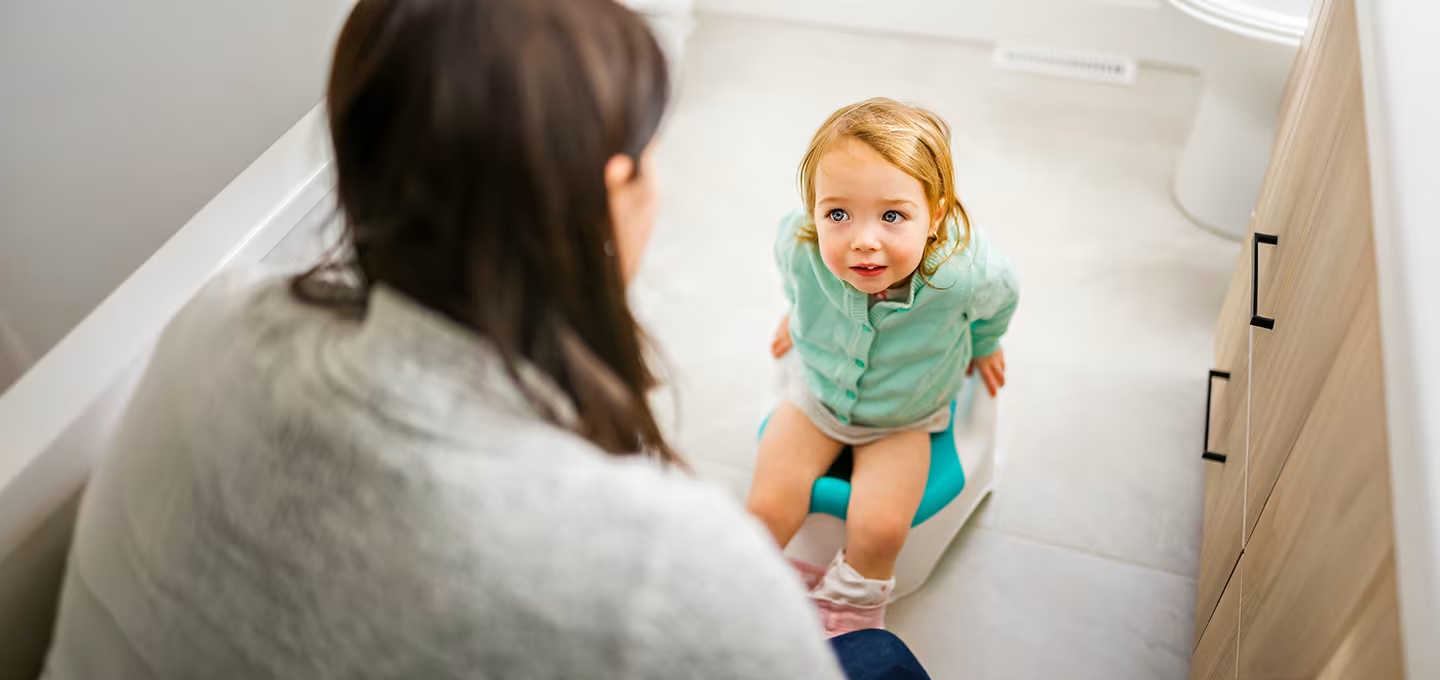
Potty Training Chart and Reward Ideas—Including Printables
Potty training can sometimes be challenging. Our article provides tips and free printable potty-training charts to help keep your toddler on track.
Read moreYour Guide to Potty Training Boys
Learn all about potty training boys and discover when it’s the right time and how best to potty train a boy.
Read moreThe 3-Day Potty Training Method—A Step-by-Step Guide
Interested in the three-day potty-training method? Learn tips you can use to toilet train your toddler using this method or any other method you decide to try.
Read moreWhen to Start Potty Training: 7 Signs Your Child Is Ready
By Madeline Johnson
Wondering when to start potty training? Learn the signs of readiness, best age to begin, and tips to help your toddler succeed.
Read moreNighttime Potty Training: When to Start and Tips to Help the Process
If your little one has mastered daytime dryness, it may be time to start nighttime potty training! We’ve got all the details, plus useful tips and tricks.
Read moreAre Training Pants a Good Idea?
By Nick Imholte
Curious about training pants? Find the benefits of training pants while potty training your child.
Read morePotty Training at Day Care
By Madeline Johnson
Successful potty training at day care depends on the parent and day care provider working together. Find out how to build a great potty partnership.
Read morePotty Training Chart and Reward Ideas—Including Printables
Potty training can sometimes be challenging. Our article provides tips and free printable potty-training charts to help keep your toddler on track.
Read moreYour Guide to Potty Training Boys
Learn all about potty training boys and discover when it’s the right time and how best to potty train a boy.
Read more