
Types of Diaper Rash—How to Identify Them and What to Do



Key Takeaways
Diaper rash isn’t one single problem—there are several types of diaper rash with different triggers and treatments. Some are caused by moisture and friction, while others come from yeast, allergies, or bacteria, and they can look surprisingly different (especially in skin folds). Knowing the pattern helps you choose the right cream and understand when to contact your baby’s healthcare provider.
Common categories include:
Most diaper rashes are common and treatable, and you’re not alone in figuring out what’s causing it. Next, we’ll walk through how to recognize each type and what may help clear it up.
Why It’s Important to Know the Type of Diaper Rash
If you’ve ever wondered whether it’s a irritant diaper rash or yeast infection, or something completely different, you’re not alone. Many rashes can look similar at first glance, but their causes—and care—can differ.
For example:
According to the American Academy of Pediatrics, diaper rash is common, but persistent or unusual rashes may need different approaches depending on the cause.
In Summary
Identifying the type can help you avoid trial-and-error and support faster relief for your baby.
Irritant Diaper Rash
The most common type is irritant diaper rash, sometimes called irritant diaper dermatitis.
What it looks like:
The skin barrier becomes irritated, which is why some parents refer to it as a chemical diaper rash—though it’s not a true burn.
What causes it:
Treatment and prevention:
According to the American Academy of Pediatrics, keeping the area clean, dry, and protected is the most effective way to treat irritant diaper dermatitis.
Yeast (Candida/Fungal) Diaper Rash
A yeast diaper rash (also called candida diaper rash or fungal diaper rash) is caused by an overgrowth of Candida, a type of fungus that thrives in warm, moist environments.
What it looks like:
How to tell if diaper rash is yeast:
Treatment and prevention:
Yeast rashes usually need antifungal treatment, as barrier creams alone will not clear the infection.
Discover more about yeast diaper rash in our dedicated guide, including the causes, what it looks like, and treatment options.
Irritant Diaper Rash vs Yeast Infection
It’s common to wonder about the difference between a yeast diaper rash vs regular diaper rash. Here’s a quick comparison:
| Feature | Irritant Diaper Rash | Yeast Diaper Rash |
|---|---|---|
| Appearance | Flat, red, irritated skin | Bright red, often shiny rash |
| Location | On exposed skin (buttocks, thighs) | In skin folds and creases |
| Edges | Less defined | Well-defined borders |
| Spots | No separate spots | Small red “satellite” spots nearby |
| Cause | Moisture, urine/stool, friction | Fungal overgrowth (Candida) |
| Response to care | Improves within 2–3 days of gentle care | Often persists or worsens without antifungal treatment |
Tip
If the rash clears up within a few days of frequent diaper changes and barrier cream, it’s more likely irritant diaper dermatitis.
Different diaper rashes may need different next steps. Download our quick care plan for simple relief tips, what to avoid, and when to call your provider.
Bacterial Diaper Rash
A bacterial diaper rash is less common but may require medical care. It can develop on its own or from an existing rash.
What it looks like:
Treatment and prevention:
Bacterial infections like impetigo or perianal strep require medical diagnosis and treatment.
Parents also ask…
Can an irritant diaper rash turn into a bacterial and fungal rash?
Yes, a diaper rash can start as irritation and later become infected with yeast or bacteria, especially if the skin stays moist or damaged.
Allergic or Contact Diaper Rash
An allergic or contact diaper rash happens when your baby’s skin reacts to something it touches.
Common triggers:
What it looks like:
Treatment and prevention:
Avoiding the source of irritation is key to clearing allergic diaper rashes.
Discover more about the treatment options for diaper rash in our dedicated guide.
Other Skin Conditions That May Be Mistaken for Diaper Rash
Sometimes, what looks like diaper rash may actually be another skin condition.
Common look-alikes:
If you’re unsure whether your little one has diaper rash or another skin condition, it’s always best to consult your healthcare provider for a clear diagnosis and treatment options.
If a rash keeps returning or doesn’t respond to typical care, your baby’s healthcare provider can help confirm the cause.
How to Tell Which Type of Diaper Rash It Is
If you’re trying to decide between an irritant diaper rash or yeast infection (or another type), this quick checklist may help. Plus, below, you can find baby rash types with pictures for a visual idea of how different rashes might look.
Your simple decision guide
| What you see | Possible type | What you can do |
|---|---|---|
| Red skin, not in folds | Irritant diaper rash | Change diapers frequently, use a diaper rash cream |
| Rash in folds + spots | Yeast diaper rash | Consult your provider if not improving, they may prescribe an antifungal cream |
| Blisters, pus, crusting | Bacterial diaper rash | Contact provider |
| Rash matches product area | Allergic or contact diaper rash | Stop using the product and monitor the area |
Still wondering what type of rash your baby has? Take a look at our types of diaper rash pictures for a clearer idea of how the different types may look on your baby’s bottom. Remember, rashes may appear different depending on your baby’s skin tone and the severity, so it’s always best to get a clear diagnosis from your healthcare provider.
Note: A rash can change over time, so it’s important to monitor it. An irritant rash may become yeast or bacterial, especially if the skin stays moist. Consult your healthcare provider if you suspect a yeast or bacterial rash, or if you’re unsure what type of rash it is.
Parents also ask…
Why does my baby keep getting the same type of diaper rash?
Recurrent diaper rash is often linked to ongoing moisture, frequent stools, or repeated exposure to the same trigger.
Can diaper rash spread outside the diaper area?
Some types, especially yeast diaper rash, can spread to skin folds or nearby areas beyond the diaper line.
When to Contact Your Healthcare Provider
If you notice any of the following, it’s best to consult your baby’s healthcare provider:
According to the AAP, these signs may indicate bacterial diaper rash or another condition requiring medical treatment.
FAQS AT A GLANCE
You may not need to wipe after every urination if the skin is clean, but keeping the area dry is important. Gentle wiping during changes can help prevent irritation.

The Bottom Line
There are several types of diaper rash, and while they may look similar at first, the differences can help guide your next steps. Most rashes improve with simple care, but some—like yeast or bacterial infections—may need medical treatment.
By learning to spot the patterns, you can feel more confident in caring for your baby’s skin and knowing when to reach out for help.
As you care for your baby’s skin, you can also get rewarded for your diaper purchases. Download the Pampers Rewards app to start earning rewards.
- Cleveland Clinic. Diaper Rash (Diaper Dermatitis)
- Cleveland Clinic. Yeast Diaper Rash
- Mayo Clinic. Atopic Dermatitis (Eczema)
- Mayo Clinic. Diaper Rash
- Healthy Children. Common Diaper Rashes & Treatment
- Healthy Children. Eczema in Babies and Children: Symptoms and Causes
- Healthy Children. Impetigo: What to Know About This Common Skin Infection in Children
- Kids Health. Diaper Rash
- Sage Journals. Differential Diagnosis of Diaper Dermatitis

Diaper Rash Treatment: How to Help Heal and Relieve Diaper Rash
Learn effective diaper rash treatment to soothe and heal your baby’s skin fast. Discover creams, care tips, and when to see a healthcare provider.
Read more
Diaper Rash: Causes, Symptoms, & Relief for Your Baby
By Christopher B. Peltier
What is diaper rash, and how do you prevent it? Find out what causes diaper rash, the symptoms to look out for, and how to protect your baby’s skin.
Read more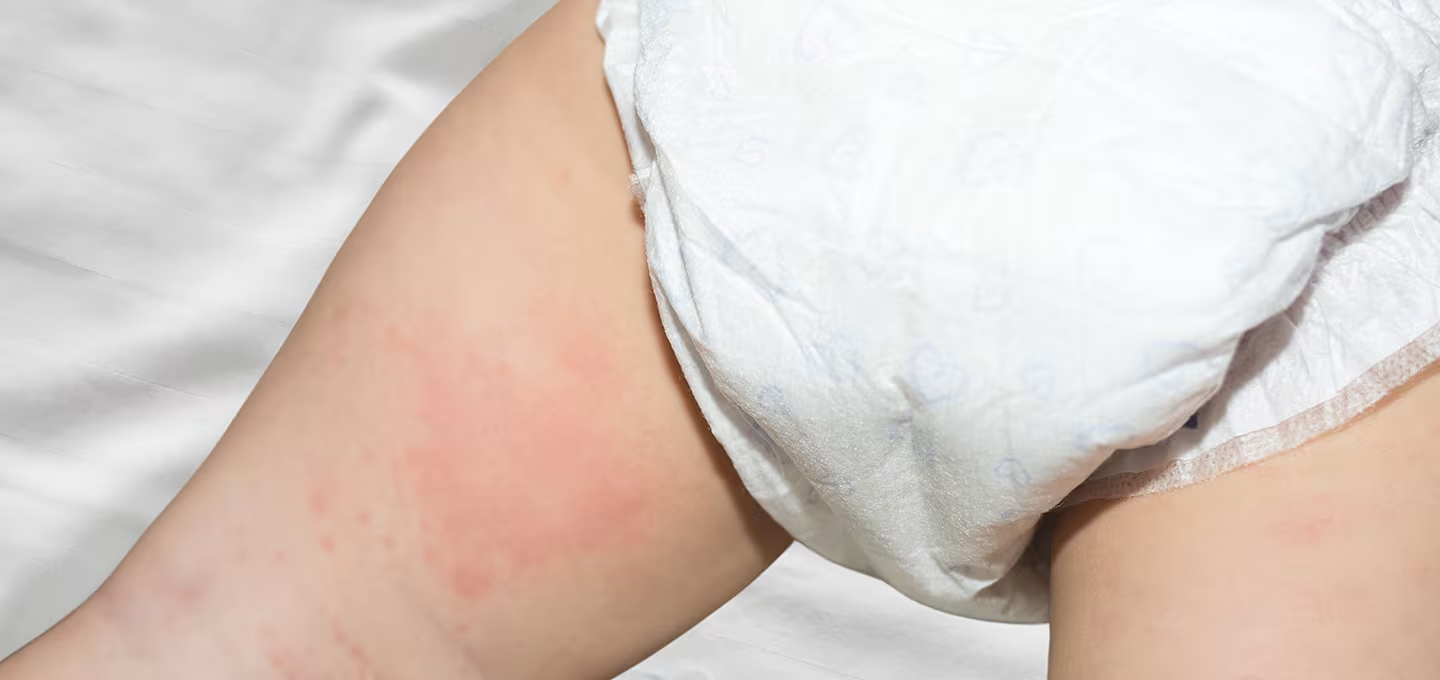
Diaper Rash Bleeding: How to Soothe, Prevent, and Heal Your Baby's Sensitive Skin
By Christopher B. Peltier
Learn how to manage diaper rash bleeding, understand when to seek medical advice, and keep your baby comfortable. Discover essential care tips here.
Read more
Home Remedies for Diaper Rash
By Christopher B. Peltier
Learn how to treat diaper rash fast with safe home remedies like breast milk and coconut oil. Discover what to avoid and when to call your healthcare provider.
Read more
Teething and Diaper Rash: Are They Connected?
By Christopher B. Peltier
Teething and diaper rash are often thought to be connected; however, teething generally doesn’t cause diaper rash. Read on to learn more.
Read more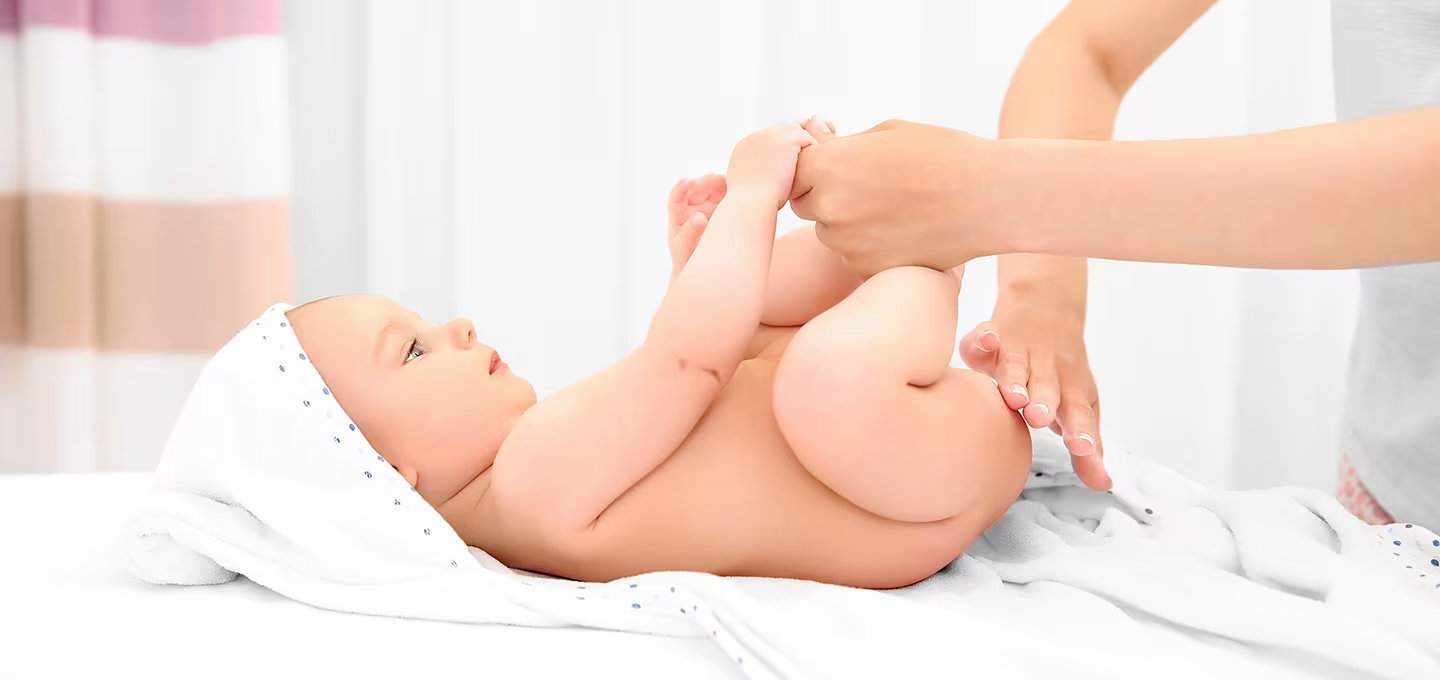
When and How to Use Diaper Cream for Your Baby
By Christopher B. Peltier
Wondering about the uses of diaper creams? We’ll discuss when to use a diaper cream and provide a step-by-step guide on how to apply it.
Read more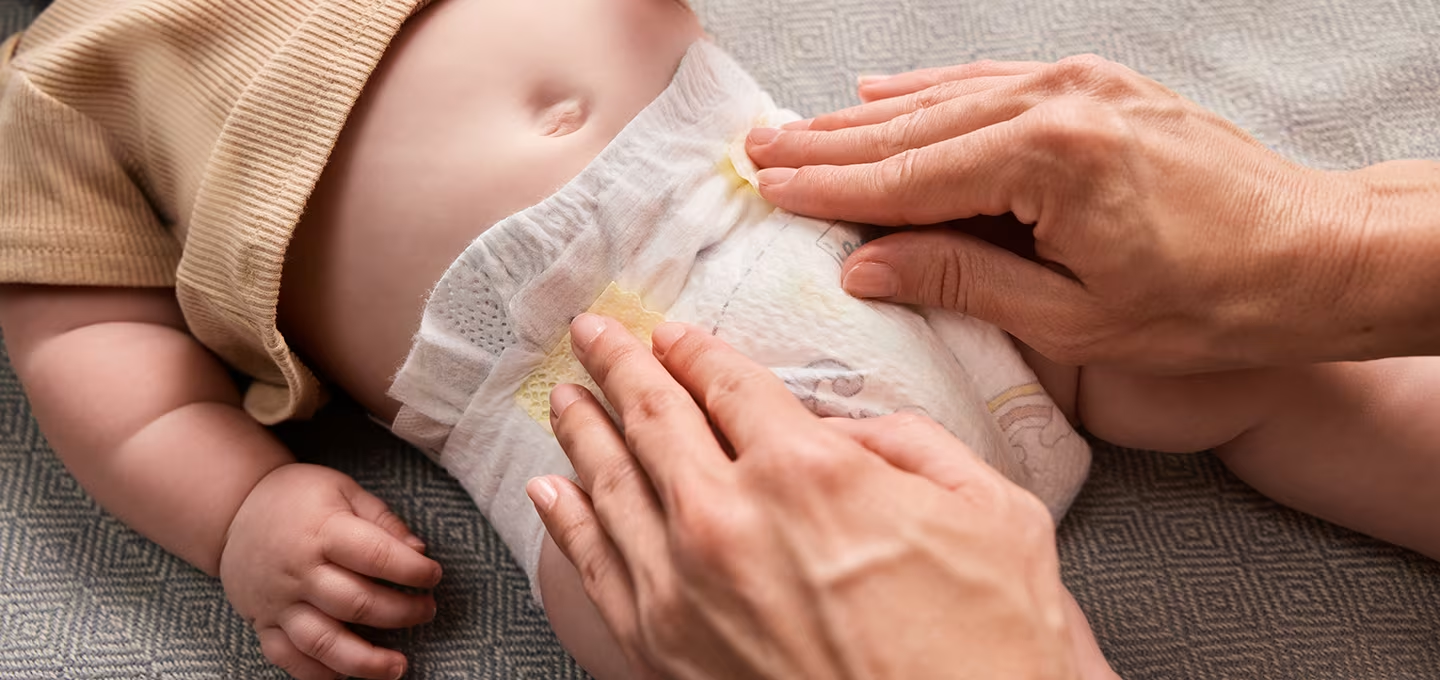
Choosing Comfort: Pampers Best Hypoallergenic Diapers for Sensitive Skin
By Christopher B. Peltier
Find the best diapers for sensitive skin with Pampers. Hypoallergenic, gentle, and designed to keep your baby dry and comfortable all day.
Read more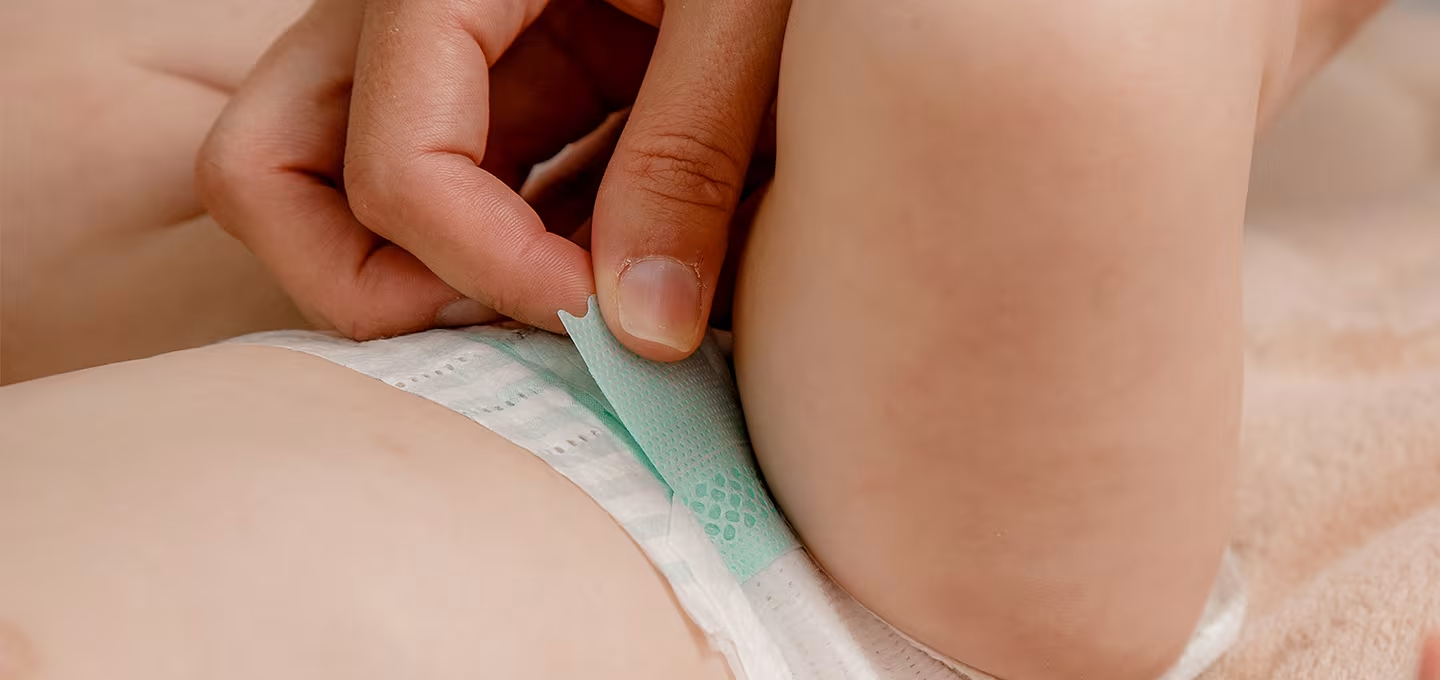
Yeast Diaper Rash: Causes, Symptoms, and Treatment
By Christopher B. Peltier
Identify yeast diaper rash symptoms, like satellite lesions. Learn effective treatments, antifungal cream options, and prevention tips for your baby's skin.
Read moreDiaper Rash Treatment: How to Help Heal and Relieve Diaper Rash
Learn effective diaper rash treatment to soothe and heal your baby’s skin fast. Discover creams, care tips, and when to see a healthcare provider.
Read moreDiaper Rash: Causes, Symptoms, & Relief for Your Baby
By Christopher B. Peltier
What is diaper rash, and how do you prevent it? Find out what causes diaper rash, the symptoms to look out for, and how to protect your baby’s skin.
Read moreDiaper Rash Bleeding: How to Soothe, Prevent, and Heal Your Baby's Sensitive Skin
By Christopher B. Peltier
Learn how to manage diaper rash bleeding, understand when to seek medical advice, and keep your baby comfortable. Discover essential care tips here.
Read moreHome Remedies for Diaper Rash
By Christopher B. Peltier
Learn how to treat diaper rash fast with safe home remedies like breast milk and coconut oil. Discover what to avoid and when to call your healthcare provider.
Read moreTeething and Diaper Rash: Are They Connected?
By Christopher B. Peltier
Teething and diaper rash are often thought to be connected; however, teething generally doesn’t cause diaper rash. Read on to learn more.
Read moreWhen and How to Use Diaper Cream for Your Baby
By Christopher B. Peltier
Wondering about the uses of diaper creams? We’ll discuss when to use a diaper cream and provide a step-by-step guide on how to apply it.
Read moreChoosing Comfort: Pampers Best Hypoallergenic Diapers for Sensitive Skin
By Christopher B. Peltier
Find the best diapers for sensitive skin with Pampers. Hypoallergenic, gentle, and designed to keep your baby dry and comfortable all day.
Read moreYeast Diaper Rash: Causes, Symptoms, and Treatment
By Christopher B. Peltier
Identify yeast diaper rash symptoms, like satellite lesions. Learn effective treatments, antifungal cream options, and prevention tips for your baby's skin.
Read moreJoin a World of Support
through Pregnancy and Parenthood.
TRACK WITH TOOLS
LEARN WITH EXPERTS
GET REWARDED




Where You Already Belong