
Diaper Rash Treatment: How to Help Heal and Relieve Diaper Rash



Key Takeaways
Diaper rash is common in babies and toddlers, usually triggered by excess moisture and prolonged skin contact with urine or stool. The best diaper rash treatment focuses on quickly removing irritants, keeping the area clean and dry, and protecting delicate skin—while watching for signs of yeast or bacterial infection that may need targeted care.
Key first steps:
Next, let’s explore how to treat diaper rash, including fast relief strategies, creams, and when to seek medical care.
How to Treat Diaper Rash
When parents ask, “How do you treat diaper rash?” the answer is simple but important: reduce moisture, protect the skin, and treat any infection if present.
According to the American Academy of Pediatrics (AAP), diaper rashes often improve with basic skin care measures that reduce irritation and restore the skin barrier.
How to Treat Diaper Rash Quickly
If you’re wondering how to treat a diaper rash quickly, these steps can bring quick relief if your baby has mild irritant diaper rash:
These steps can help provide fast diaper rash relief and reduce discomfort.
For diaper rash pain relief, keeping the area dry and protected is key. The Mayo Clinic notes that barrier creams reduce irritation and allow skin to heal more quickly.
Here’s your very own 24-Hour Rash Recovery Routine Backed by Pampers Skin Expertise.
Cure for Diaper Rash
There isn’t a single “instant cure for diaper rash,” but most mild rashes clear within a few days with proper care.
The best cure for diaper rash includes:
If the rash is caused by yeast (candida), antifungal creams may be needed. Yeast diaper rashes require targeted antifungal treatment rather than standard barrier creams alone. Learn more below about choosing the right creams and ointments for diaper rash.
Home Remedies for Diaper Rash
Some parents explore home remedies for diaper rash or natural remedies for diaper rash, such as increasing diaper-free time, applying breast milk, or gentle cleansing routines.
However, experts recommend caution—some home remedies for diaper rash, such as baking soda, may irritate sensitive skin, so it’s best to check with your healthcare provider before trying them.
For a full guide, visit our diaper rash home remedies article.
Diaper Rash Creams and Ointments
Using the right diaper rash cream or ointment, recommended by your healthcare provider, is one of the most effective treatments.
Pediatric experts emphasize barrier protection as a cornerstone of treatment.
Zinc Oxide for Diaper Rash
Zinc oxide for diaper rash is widely recommended because it:
Petroleum jelly is also commonly used as a safe barrier to protect your baby’s skin. Ask your healthcare provider to recommend a barrier cream for diaper rash.
How to Apply Diaper Rash Cream and Ointment
Parents often ask how to apply diaper rash cream and how much diaper cream to use.
Follow these simple steps:
The AAP recommends using a generous amount to protect the skin fully. Check out our full guide for more tips on when and how to use diaper rash cream.
When to Use Hydrocortisone
Hydrocortisone cream for diaper rash may be used in certain cases, but only under medical guidance. It may be recommended in some cases of more severe diaper rash or inflammation that doesn’t go away with home treatment.
Low-strength hydrocortisone (0.5–1%) can help reduce inflammation, but:
The Mayo Clinic advises caution with long term use of steroid creams in the diaper area due to the potential of skin damage.
Prescription Diaper Rash Cream
A prescription cream for diaper rash may be needed if:
If a yeast diaper rash is diagnosed, your baby's provider may recommend an antifungal cream. If it's a bacterial diaper rash, topical or oral antibiotic treatments may be prescribed.
Understanding the different types of diaper rash can help guide the right treatment and when to consult your healthcare provider.
Parents also ask…
Can using too much cream slow down healing?
No—using a thick layer of barrier cream is usually helpful. The goal is to protect the skin, not to rub the cream in completely.
Why isn’t the diaper rash improving after a few days?
If a rash isn’t improving, it may be more severe or need a different treatment. Persistent rashes may require medical advice.
Severe Diaper Rash Treatment
Treatment for severe diaper rash is needed when symptoms go beyond mild redness—such as blisters, open sores, bleeding, or a rash that isn’t improving after a few days of home care.
In these cases, your baby’s healthcare provider may recommend:
According to the Mayo Clinic and American Academy of Pediatrics, persistent or severe rashes often need targeted treatment beyond basic home care.
If you notice bleeding, open sores, or worsening symptoms, it’s best to consult your baby’s healthcare provider promptly.
How Long Does Diaper Rash Take to Heal?
It’s common to wonder, “How long does it take for diaper rash to heal?”
With proper care, diaper rash healing is usually quick. Your baby’s healthcare provider will be able to identify the severity of the diaper rash and the best course of action.
If you’re wondering how long diaper rash cream takes to work, many parents notice improvement within 24–48 hours.
Parents also ask…
Can diaper rash get worse before it gets better?
Sometimes irritation can look worse before it improves, especially if the skin was very inflamed. Consistent care usually leads to visible improvement within a few days.
Is it okay to let my baby go without a diaper during treatment?
Yes, short periods of diaper-free time can help the skin stay dry and heal faster, as long as the area stays clean.
When to Contact Your Healthcare Provider
Seek medical advice if:
The AAP recommends consulting a provider for persistent or severe rashes.
Preventing Diaper Rash Recurrence
Once the rash clears, prevention is key.
To help prevent diaper rash:
FAQS AT A GLANCE
Change diapers frequently, clean gently, air-dry the skin, and apply a thick barrier cream. Most mild rashes improve within 3–4 days with consistent care.
The Bottom Line
Diaper rash is a common part of babyhood, but with the right treatment for diaper rash, most cases clear quickly. Focus on keeping your baby’s skin clean, dry, and protected—and don’t hesitate to seek help if symptoms worsen.
With consistent care, your baby’s skin can heal comfortably, helping them stay happy, healthy, and ready for all those special moments ahead.
And why not get rewarded along the way? Download the Pampers Rewards app to earn Pampers cash on your diaper and wipes purchases and turn everyday care into extra perks.

Types of Diaper Rash—How to Identify Them and What to Do
Learn the different types of diaper rash, how to identify each, and when to contact your child’s healthcare provider. Read more now.
Read more
Diaper Rash: Causes, Symptoms, & Relief for Your Baby
By Christopher B. Peltier
What is diaper rash, and how do you prevent it? Find out what causes diaper rash, the symptoms to look out for, and how to protect your baby’s skin.
Read more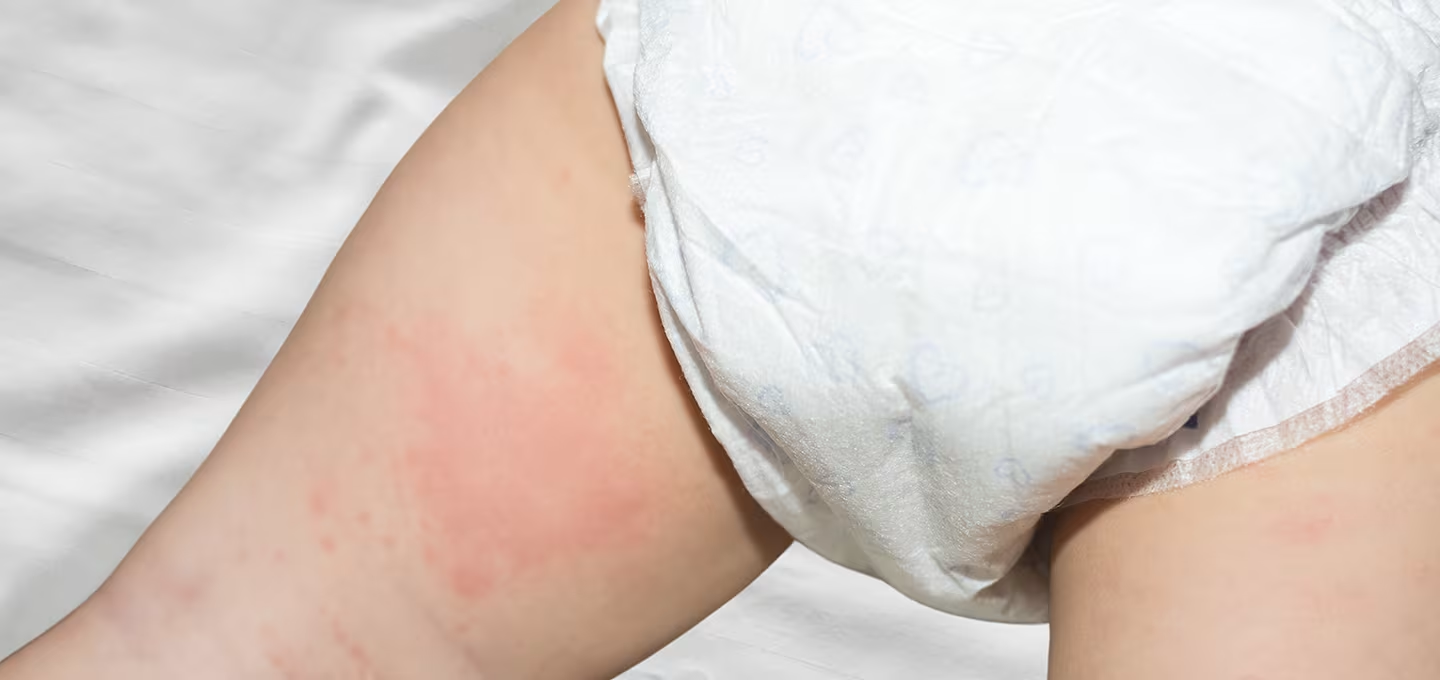
Diaper Rash Bleeding: How to Soothe, Prevent, and Heal Your Baby's Sensitive Skin
By Christopher B. Peltier
Learn how to manage diaper rash bleeding, understand when to seek medical advice, and keep your baby comfortable. Discover essential care tips here.
Read more
Home Remedies for Diaper Rash
By Christopher B. Peltier
Learn how to treat diaper rash fast with safe home remedies like breast milk and coconut oil. Discover what to avoid and when to call your healthcare provider.
Read more
Teething and Diaper Rash: Are They Connected?
By Christopher B. Peltier
Teething and diaper rash are often thought to be connected; however, teething generally doesn’t cause diaper rash. Read on to learn more.
Read more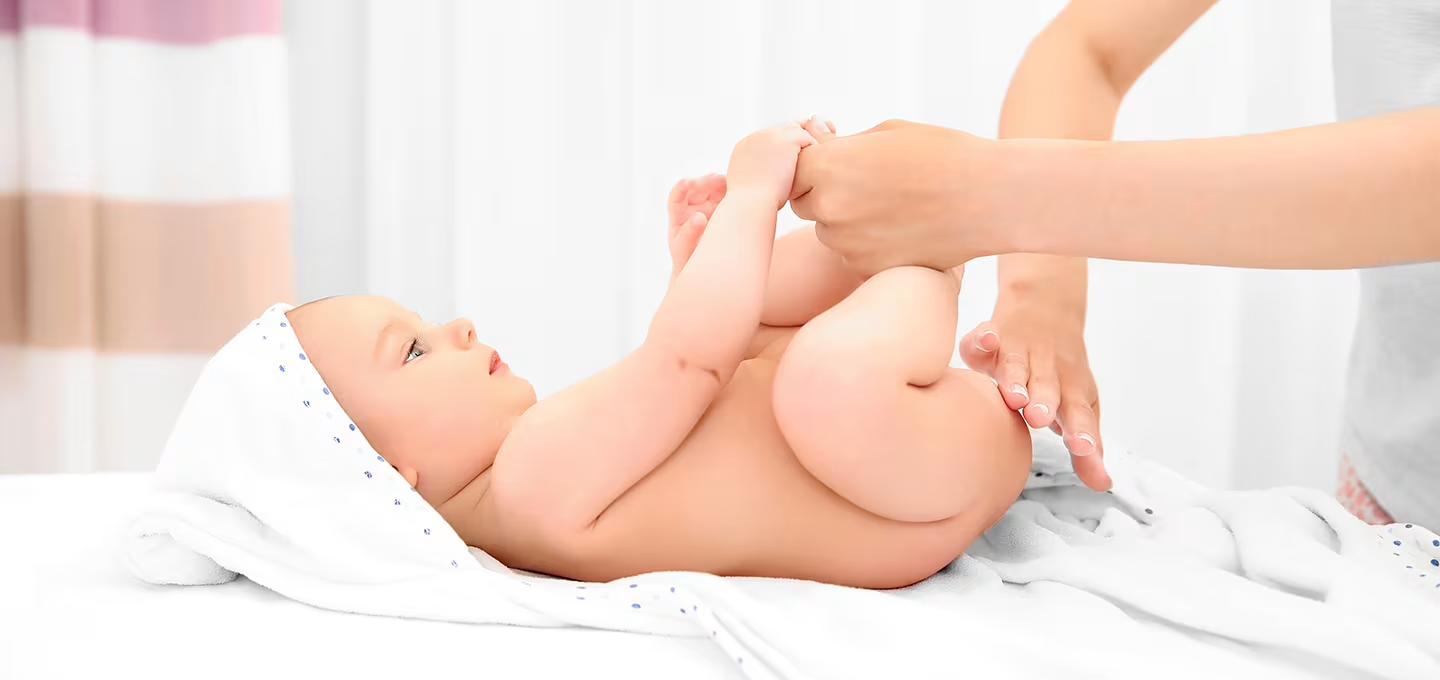
When and How to Use Diaper Cream for Your Baby
By Christopher B. Peltier
Wondering about the uses of diaper creams? We’ll discuss when to use a diaper cream and provide a step-by-step guide on how to apply it.
Read more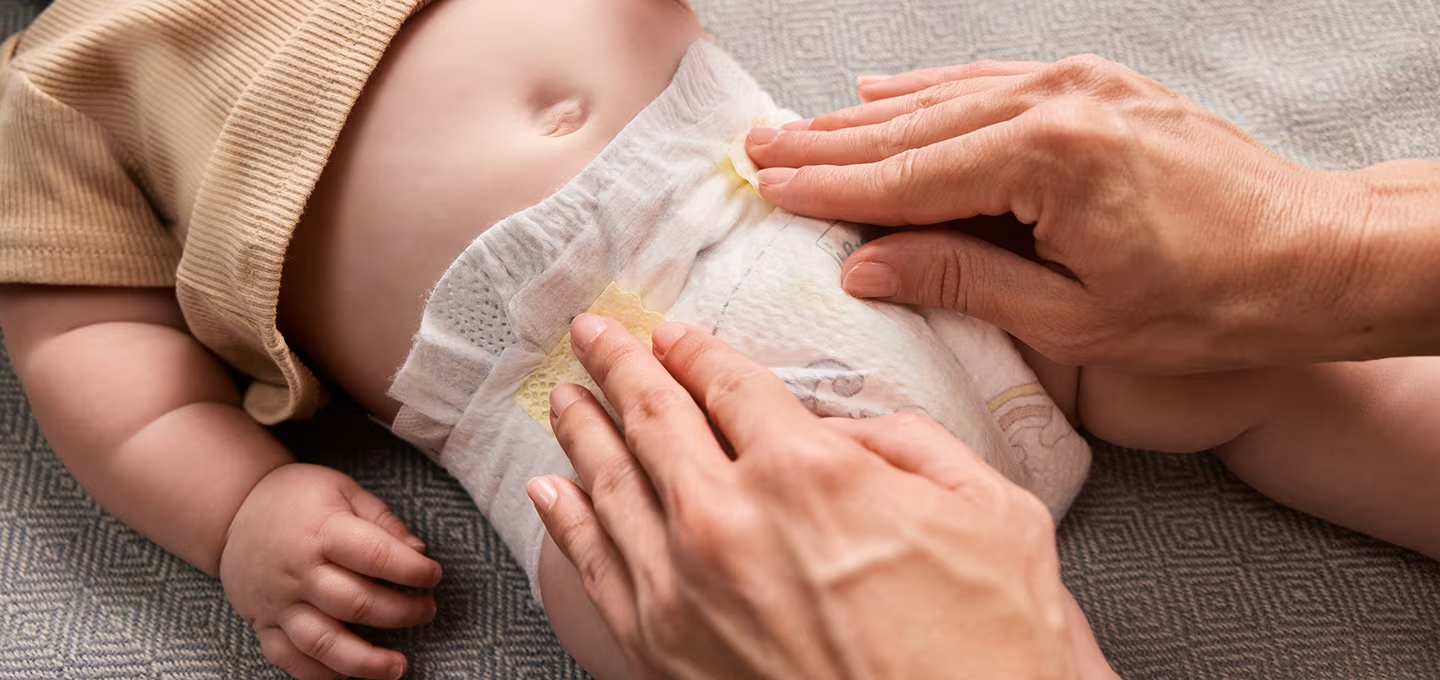
Choosing Comfort: Pampers Best Hypoallergenic Diapers for Sensitive Skin
By Christopher B. Peltier
Find the best diapers for sensitive skin with Pampers. Hypoallergenic, gentle, and designed to keep your baby dry and comfortable all day.
Read more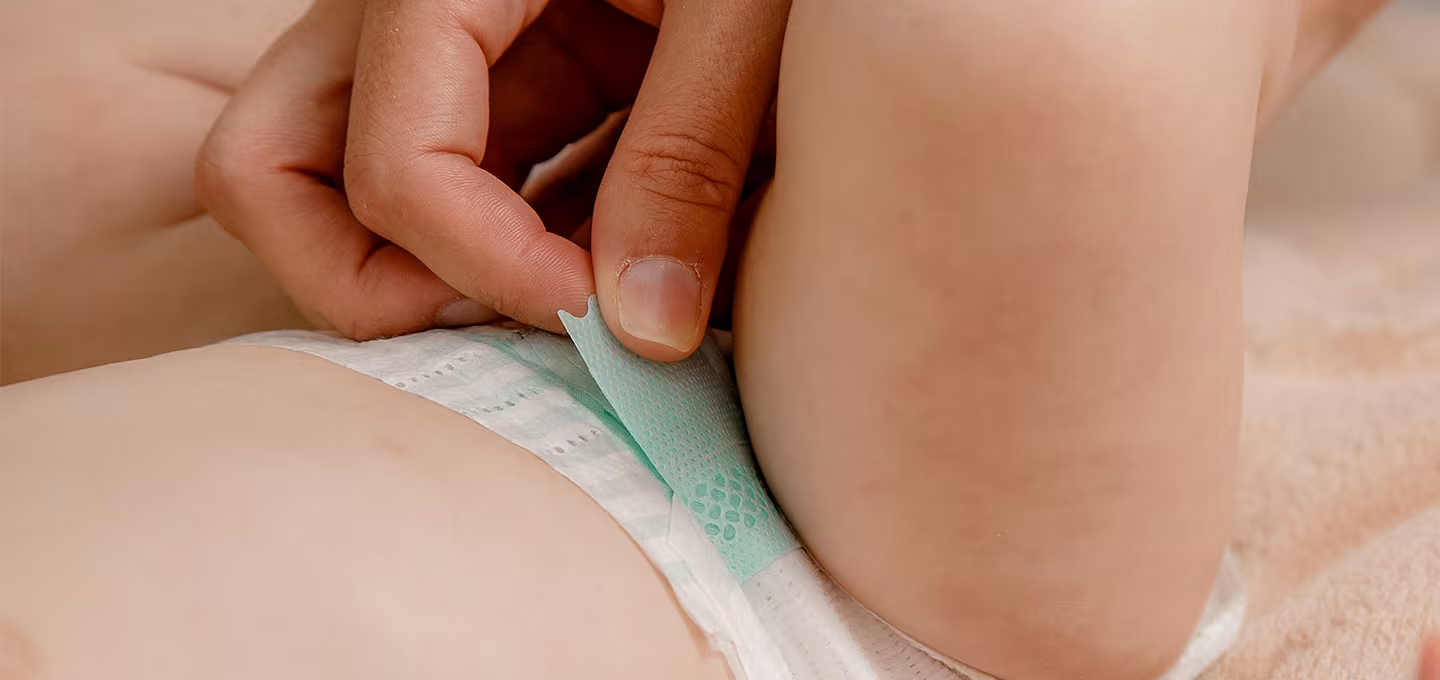
Yeast Diaper Rash: Causes, Symptoms, and Treatment
By Christopher B. Peltier
Identify yeast diaper rash symptoms, like satellite lesions. Learn effective treatments, antifungal cream options, and prevention tips for your baby's skin.
Read moreTypes of Diaper Rash—How to Identify Them and What to Do
Learn the different types of diaper rash, how to identify each, and when to contact your child’s healthcare provider. Read more now.
Read moreDiaper Rash: Causes, Symptoms, & Relief for Your Baby
By Christopher B. Peltier
What is diaper rash, and how do you prevent it? Find out what causes diaper rash, the symptoms to look out for, and how to protect your baby’s skin.
Read moreDiaper Rash Bleeding: How to Soothe, Prevent, and Heal Your Baby's Sensitive Skin
By Christopher B. Peltier
Learn how to manage diaper rash bleeding, understand when to seek medical advice, and keep your baby comfortable. Discover essential care tips here.
Read moreHome Remedies for Diaper Rash
By Christopher B. Peltier
Learn how to treat diaper rash fast with safe home remedies like breast milk and coconut oil. Discover what to avoid and when to call your healthcare provider.
Read moreTeething and Diaper Rash: Are They Connected?
By Christopher B. Peltier
Teething and diaper rash are often thought to be connected; however, teething generally doesn’t cause diaper rash. Read on to learn more.
Read moreWhen and How to Use Diaper Cream for Your Baby
By Christopher B. Peltier
Wondering about the uses of diaper creams? We’ll discuss when to use a diaper cream and provide a step-by-step guide on how to apply it.
Read moreChoosing Comfort: Pampers Best Hypoallergenic Diapers for Sensitive Skin
By Christopher B. Peltier
Find the best diapers for sensitive skin with Pampers. Hypoallergenic, gentle, and designed to keep your baby dry and comfortable all day.
Read moreYeast Diaper Rash: Causes, Symptoms, and Treatment
By Christopher B. Peltier
Identify yeast diaper rash symptoms, like satellite lesions. Learn effective treatments, antifungal cream options, and prevention tips for your baby's skin.
Read moreJoin a World of Support
through Pregnancy and Parenthood.
TRACK WITH TOOLS
LEARN WITH EXPERTS
GET REWARDED




Where You Already Belong