
Home Remedies for Diaper Rash



Key Takeaways
Diaper rash is common, but it can be uncomfortable for babies and stressful for parents. The good news is that many cases improve quickly with gentle, consistent care at home. Effective home remedies for diaper rash focus on keeping skin clean, dry, and protected while reducing friction and irritation.
If the rash is severe, spreading, or lasts more than a few days, consult your healthcare provider. Next, we’ll break down the best remedies and how to use them safely.
Home Remedies for Diaper Rash
When your baby develops diaper rash symptoms, it’s natural to want to find relief as quickly as possible. While many over-the-counter creams and ointments are available, some parents prefer to start with safe and natural diaper rash home remedies to help baby skin irritation.
Tip
It’s important to remember that not all home remedies are suitable for every baby, and it’s always wise to consult with your baby’s healthcare provider before trying a new treatment.
Apply Human Breast Milk
One of the best natural diaper rash treatments is human breast milk. Breast milk for diaper rash is a readily available option that many parents trust. You can store breast milk for later use or simply apply it right before or after breastfeeding or pumping.
Applying a few drops of breast milk to the affected area may help soothe inflammation and reduce redness, thanks to its natural antibacterial and anti-inflammatory properties.
While clinical evidence is still emerging on the use of breast milk for diaper rash, many parents consider this a safe first step in home treatment. If the rash doesn’t improve or worsens, consult your baby’s healthcare provider to rule out more serious causes like a yeast diaper rash.
Breastfeeding and want some helpful tips? Check out our breastfeeding tips to support your journey.
Increase Airflow With Diaper-Free Time
When considering diaper-free time, how long is best to air out the area to help prevent diaper rash? Allow your baby about 10–15 minutes several times a day without a diaper. This simple step exposes the diaper area to air and helping it stay dry, which may be crucial in both treating and preventing diaper rash.
Diaper rash often occurs when the skin is exposed to moisture for prolonged periods. By giving your baby some diaper-free time, you allow the skin to breathe and dry out, which may help reduce the rash's severity and prevent further irritation. This home remedy is especially helpful for diaper rash from diarrhea, as frequent bowel movements can exacerbate irritation.
This method is simple, safe, and may easily be incorporated into your baby’s daily routine to help manage and prevent diaper rash. Use a waterproof mat or towel during diaper-free time to minimize mess while encouraging skin recovery.
Change Diapers Frequently
One of the best ways to prevent diaper rash is to change your baby’s diaper frequently. Keeping your baby's diaper area clean and dry will help prevent the likelihood of diaper rash and heal existing discomfort. Prolonged exposure to wet or soiled diapers is one of the most common causes of diaper rash, as moisture often irritates a baby’s sensitive skin.
So, how often to change diapers for a baby with diaper rash? To minimize the risk of diaper rash, it’s important to check your baby’s diaper often and change it as soon as it’s wet or soiled. Newborns generally require diaper changes often, usually every 1-3 hours for wetness and 2-5 times a day for bowel movements during the early weeks. This frequency gradually decreases as they grow older. Discover more about how often to change a baby’s diaper in our dedicated guide.
Choosing Pampers can be an important step in keeping your baby comfortable and dry, thanks to their superior absorbency and gentle materials designed for sensitive skin. This can be especially important at night when long stretches of sleep might lead to extended contact with a dirty diaper. When changing diapers, clean the diaper area gently with water or our best baby wipes for diaper rash prevention, and allow the skin to air dry before putting on a fresh diaper. Using this method consistently may help promote faster healing if a rash does develop.
Other Home Remedies for Diaper Rash
Here are some other home remedies that might help with diaper rash. It’s important to consult your baby's healthcare provider before trying the following home remedies to ensure they are recommended for your baby’s skin:
How to Help Treat and Relieve Diaper Rash Fast
As mentioned earlier, keeping the diaper area clean and dry is a great way to treat diaper rash. In addition to these methods, here are a few more steps you can take if you’re wondering how to treat diaper rash fast:
Tip
Consider trying our Pampers® Swaddlers and Pampers® Sensitive™ Wipes together as a diapering regimen. These two powerhouse products are scientifically demonstrated to work together to balance pH levels, improving overall skin health and providing the ultimate comfort for your baby.
As a parent dealing with diaper rash, it’s common to wonder how to get rid of diaper rash in 24 hours, especially if your baby is uncomfortable. Remember, with patience and gentle care, diaper rash generally clears up within a few days.
If you’ve tried the treatment options mentioned above and your baby’s rash is still there after a few days or has worsened, contact their healthcare provider.
Still unsure what’s causing the rash?

Parents also ask…
How long does diaper rash usually last with home treatment?
Most mild diaper rashes will begin to clear up within 2 to 3 days if you keep the area clean, dry, and protected with a barrier cream. If the rash persists or worsens after 3 days of home care, it is best to consult your provider.
Is a baking soda bath safe for my baby's diaper rash?
No, a soaking bath is generally not recommended as a treatment for diaper rash. It may disrupt the natural pH of the skin and cause further irritation.
Home Treatments to Avoid for Diaper Rash
While many home treatments for diaper rash may be effective, some remedies should be approached with caution or avoided altogether. Not all natural diaper rash treatments are suitable for every baby, and some might even worsen the condition.
The following are a few home treatments for diaper rash that should be avoided or used with care.
Baking Soda
While some parents try a baking soda bath for diaper rash due to its drying and soothing reputation, it's not generally recommended by pediatric experts. Baking soda in your baby’s bath or on their skin may disrupt their natural skin pH, and, in some cases, baking soda can “burn” diaper rash or cause stinging, especially if the skin is broken.
While some anecdotal reports claim baking soda helps diaper rash, medical sources like the Cleveland Clinic and AAP advise against using harsh or highly alkaline substances on an infant’s delicate skin.
Witch Hazel & Apple Cider Vinegar
You may come across advice online promoting apple cider vinegar for diaper rash, either diluted or as a wipe, along with remedies like witch hazel. However, both substances are acidic and may be too harsh for sensitive baby skin. According to pediatricians, using acidic treatments can worsen irritation, disrupt healing, and increase the risk of infection. Apple cider vinegar or witch hazel for diaper rash is not recommended by organizations like the AAP or Mayo Clinic.
Some Aloe Vera Products
Is aloe vera good for diaper rash? Pure aloe vera gel, directly from the plant, may have some soothing benefits and is often praised for its anti-inflammatory properties. However, many commercial products labeled as aloe vera for diaper rash contain additives like alcohol, fragrances, or preservatives, which can irritate or worsen the rash.
If you choose to try aloe vera gel for diaper rash, ensure it is 100% pure and always check with your baby’s healthcare provider first.
Cornstarch
Although cornstarch for diaper rash is a common folk remedy, it's generally not recommended by pediatric dermatologists. While cornstarch may absorb moisture, it can also promote the growth of Candida albicans—the yeast that causes yeast diaper rash—especially in warm, moist environments like diapers.
So, while some may believe cornstarch helps diaper rash, medical experts caution against it, especially if yeast is suspected.
Essential Oils
Some natural health sites suggest using essential oils for diaper rash, such as tea tree oil. So, it’s common to wonder if tea tree oil is safe for babies and what the best essential oils for diaper rash may be. It’s important to note that essential oils can be potent irritants, especially for infants. Undiluted oils like tea tree oil for diaper rash can cause skin burns or allergic reactions, and even diluted versions are not typically recommended by pediatricians.
There's insufficient medical evidence to support the safety or efficacy of using essential oils for treating diaper rash, and many healthcare providers urge caution.
Baby Powder
Traditional diaper rash powder containing talc or cornstarch was once a nursery staple, but today it’s largely discouraged. The AAP and CDC warn against baby powder use due to the risk of respiratory irritation if the powder is inhaled. While some may ask, “Doesn’t baby powder help with diaper rash?” the risks often outweigh the benefits.
Frequent diaper changes and allowing the skin to breathe are safer and more effective options to reduce moisture on the skin.
Parents also ask…
Is Vaseline or coconut oil better for diaper rash?
Both are helpful but serve different purposes; coconut oil has mild antimicrobial properties that can soothe the skin, while Vaseline (petroleum jelly) for diaper rash acts as a powerful physical moisture barrier. Many parents use coconut oil for mild redness and Vaseline to protect raw or sensitive skin.
Why does my baby keep getting recurring diaper rash?
Frequent recurrence is often linked to prolonged moisture exposure, sensitive skin reactions to fragrance in wipes, or even changes in diet (like starting solids), which may alter the acidity of stools. Switching to highly absorbent diapers and fragrance-free wipes often helps.
Everyday Tips: How to Prevent Diaper Rash
Here are some extra tips for diaper rash you can easily apply to your everyday routine with your little one:
Tip
Prevention is often easier than treatment—frequent checks and breathable diapers make a big difference.
If your baby's diaper rash is partly caused by friction from a tight-fitting diaper, they may be wearing the wrong size. Finding the right fit can help reduce friction and keep your baby comfortable throughout the day.
Support your baby’s skin with the right fit
How Can Pampers Help Prevent Diaper Rash?
Keeping your baby’s skin clean, dry, and comfortable is key to preventing diaper rash, and Pampers diapers and wipes are designed to support just that. From pH-balanced wipes to super-absorbent diapers, Pampers skin protection offers a gentle touch to help keep your little one’s skin healthy.
You can explore our best diapers for sensitive skin to help keep your baby’s bottom clean, dry, and rash-free.
When to Contact a Healthcare Provider
While most diaper rashes may be treated at home, there are times when you should seek medical advice, especially if you're unsure whether your baby's rash is diaper rash or something else.
Home remedies for a severe diaper rash are not recommended and you should always consult with your baby’s healthcare provider. Remember, timely intervention may ensure your baby gets the appropriate care and relief.
FAQS AT A GLANCE
With proper care, most cases of diaper rash improve within two to three days, though some may take up to a week to fully heal. If the rash doesn’t improve or gets worse, your baby’s healthcare provider may recommend treatment.
The Bottom Line
Diaper rashes are common, but they may often be treated effectively with simple home remedies. Keeping the diaper area clean, dry, and covered with barrier creams is an important step in treating the rash. Natural remedies for a diaper rash, like giving the skin some time to air out, may also provide relief. However, it’s important to approach any remedy cautiously and consult a healthcare provider if the rash doesn’t improve.
Be sure to check out our Diaper Rash Treatment and Diaper Bag Checklist to stay prepared when you're on the go.
For added convenience, the Pampers Rewards app offers rewards on all your Pampers purchases, helping you care for your baby.
- Cleveland Clinic. “Diaper Rash (Diaper Dermatitis).”
- Cleveland Clinic. “DIY Treatment Tips to Tame Eczema with Gowri Kabbur, MD.”
- Cleveland Clinic. “Skin Rash.”
- Healthy Children. “Common Diaper Rashes and Treatments.”
- Healthy Children. “How to Choose Safer Personal Care Products: Tips for Families.”
- Kids Health. "How to Treat Diaper Rash."
- Kids Health. “What to Do About a Skin Rash.”
- Mayo Clinic. “Diaper Rash.”
- National Library of Medicine. “Assessment Effect of Breast Milk on Diaper Dermatitis.”
- National Library of Medicine. “Diaper dermatitis care of newborns human breast milk or barrier cream.”
Types of Diaper Rash—How to Identify Them and What to Do
Learn the different types of diaper rash, how to identify each, and when to contact your child’s healthcare provider. Read more now.
Read more
Diaper Rash Treatment: How to Help Heal and Relieve Diaper Rash
Learn effective diaper rash treatment to soothe and heal your baby’s skin fast. Discover creams, care tips, and when to see a healthcare provider.
Read more
Diaper Rash: Causes, Symptoms, & Relief for Your Baby
By Christopher B. Peltier
What is diaper rash, and how do you prevent it? Find out what causes diaper rash, the symptoms to look out for, and how to protect your baby’s skin.
Read more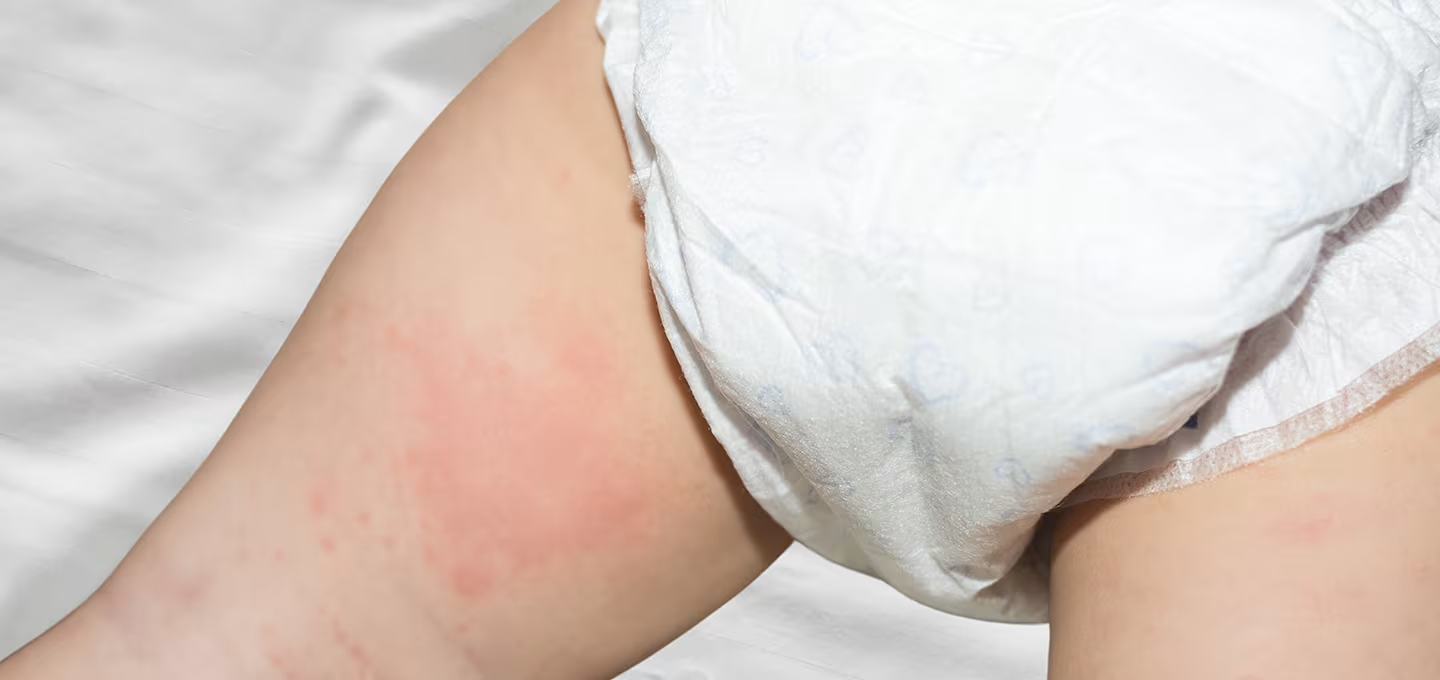
Diaper Rash Bleeding: How to Soothe, Prevent, and Heal Your Baby's Sensitive Skin
By Christopher B. Peltier
Learn how to manage diaper rash bleeding, understand when to seek medical advice, and keep your baby comfortable. Discover essential care tips here.
Read more
Teething and Diaper Rash: Are They Connected?
By Christopher B. Peltier
Teething and diaper rash are often thought to be connected; however, teething generally doesn’t cause diaper rash. Read on to learn more.
Read more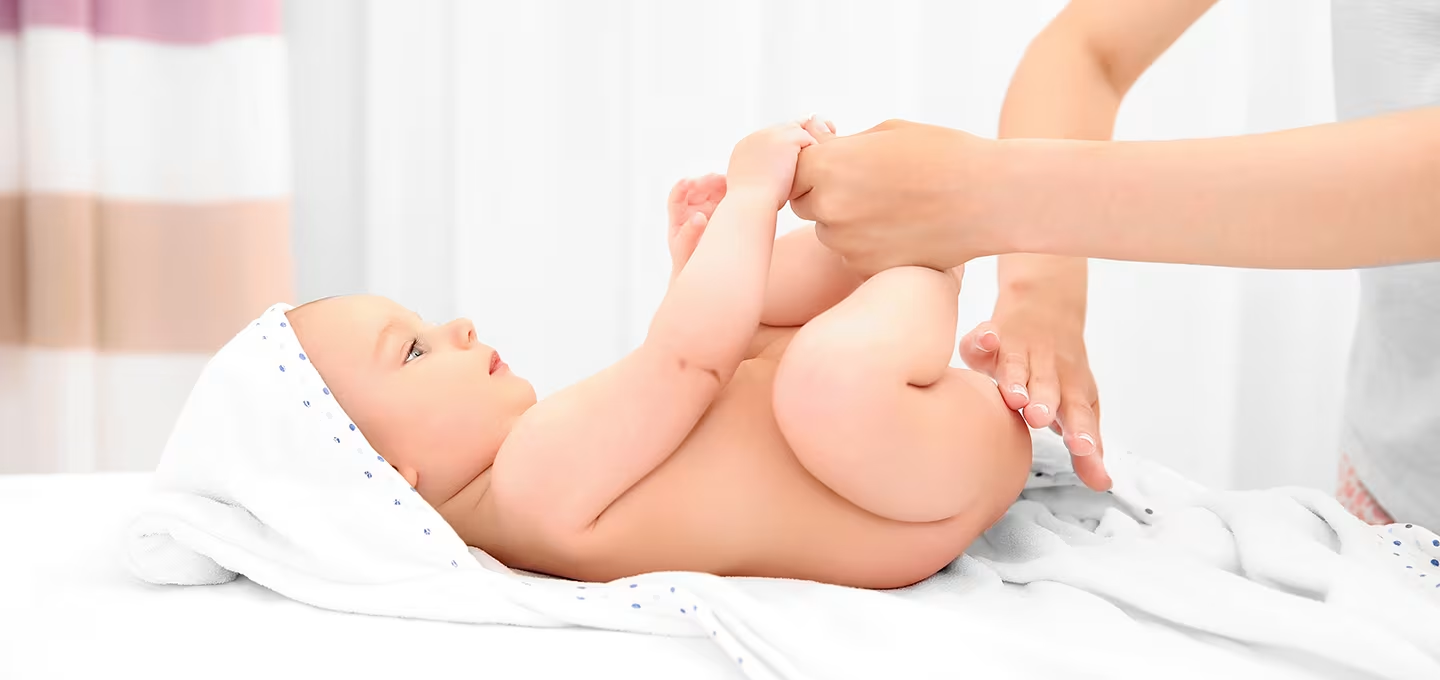
When and How to Use Diaper Cream for Your Baby
By Christopher B. Peltier
Wondering about the uses of diaper creams? We’ll discuss when to use a diaper cream and provide a step-by-step guide on how to apply it.
Read more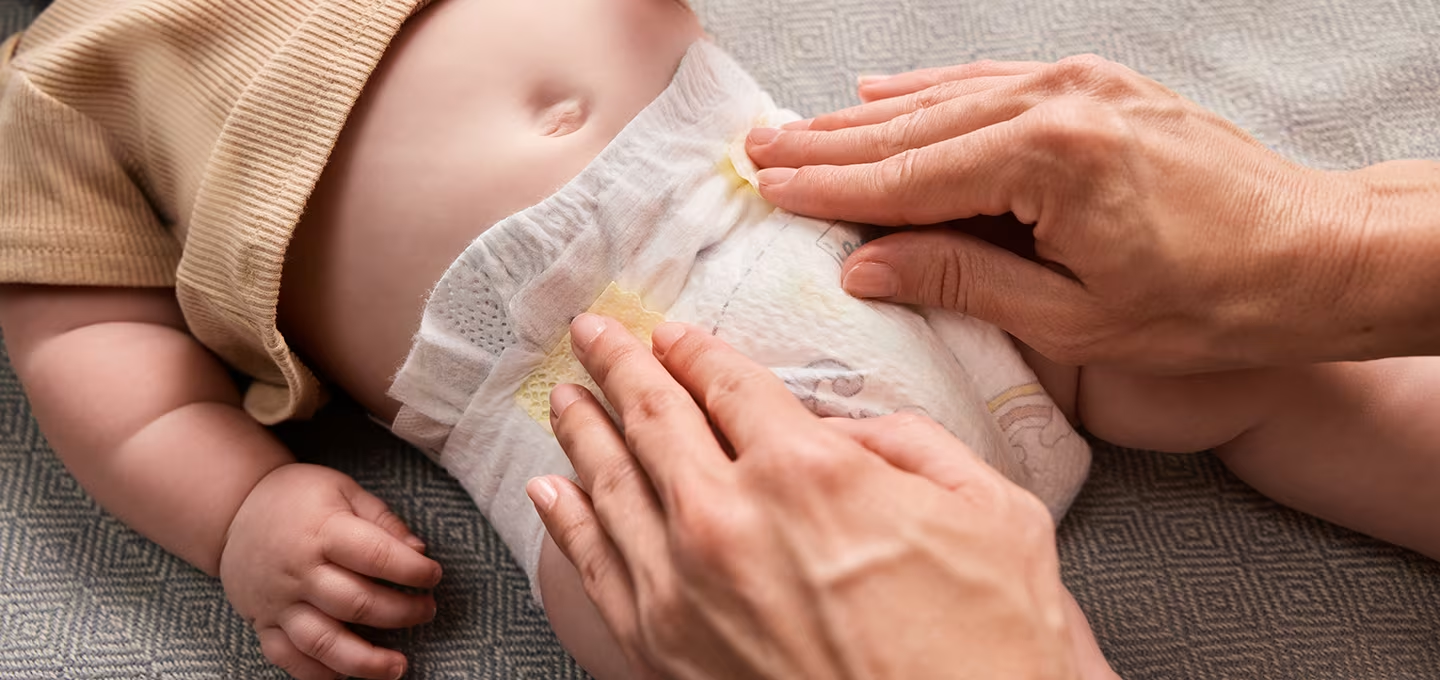
Choosing Comfort: Pampers Best Hypoallergenic Diapers for Sensitive Skin
By Christopher B. Peltier
Find the best diapers for sensitive skin with Pampers. Hypoallergenic, gentle, and designed to keep your baby dry and comfortable all day.
Read more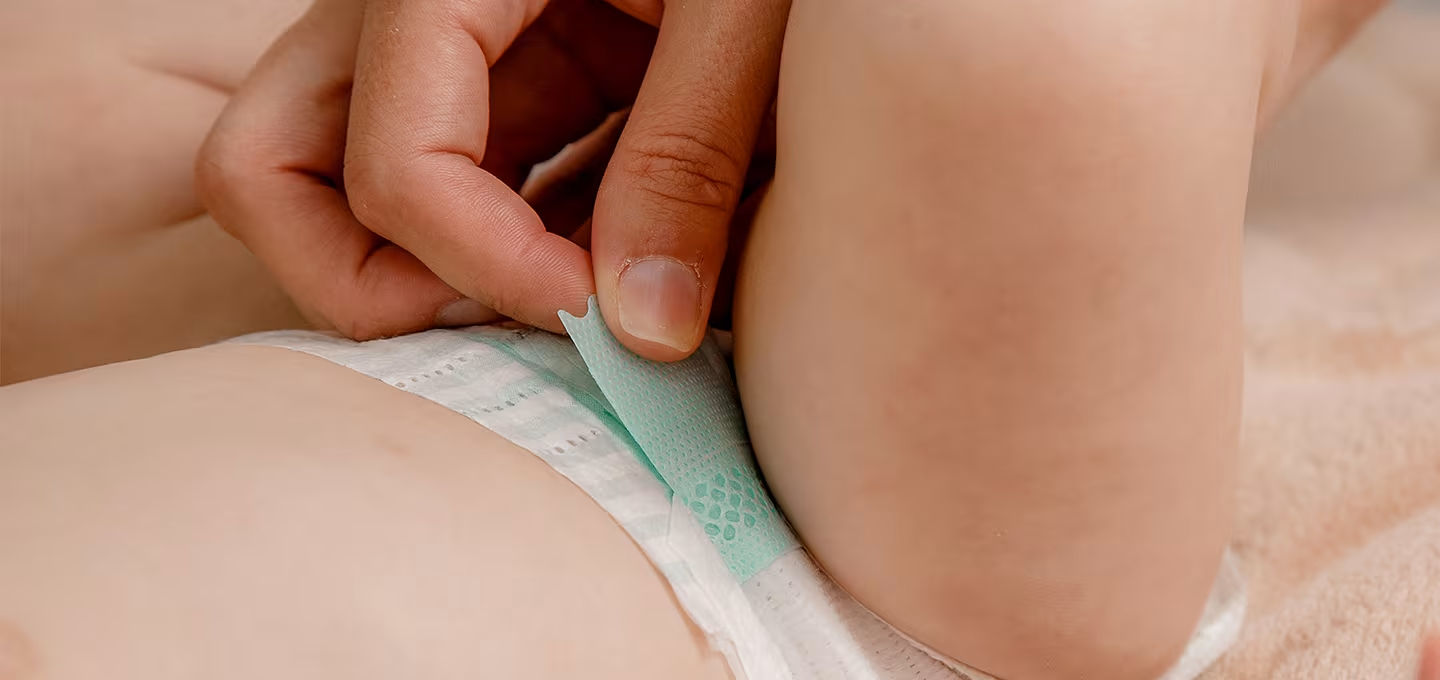
Yeast Diaper Rash: Causes, Symptoms, and Treatment
By Christopher B. Peltier
Identify yeast diaper rash symptoms, like satellite lesions. Learn effective treatments, antifungal cream options, and prevention tips for your baby's skin.
Read moreTypes of Diaper Rash—How to Identify Them and What to Do
Learn the different types of diaper rash, how to identify each, and when to contact your child’s healthcare provider. Read more now.
Read moreDiaper Rash Treatment: How to Help Heal and Relieve Diaper Rash
Learn effective diaper rash treatment to soothe and heal your baby’s skin fast. Discover creams, care tips, and when to see a healthcare provider.
Read moreDiaper Rash: Causes, Symptoms, & Relief for Your Baby
By Christopher B. Peltier
What is diaper rash, and how do you prevent it? Find out what causes diaper rash, the symptoms to look out for, and how to protect your baby’s skin.
Read moreDiaper Rash Bleeding: How to Soothe, Prevent, and Heal Your Baby's Sensitive Skin
By Christopher B. Peltier
Learn how to manage diaper rash bleeding, understand when to seek medical advice, and keep your baby comfortable. Discover essential care tips here.
Read moreTeething and Diaper Rash: Are They Connected?
By Christopher B. Peltier
Teething and diaper rash are often thought to be connected; however, teething generally doesn’t cause diaper rash. Read on to learn more.
Read moreWhen and How to Use Diaper Cream for Your Baby
By Christopher B. Peltier
Wondering about the uses of diaper creams? We’ll discuss when to use a diaper cream and provide a step-by-step guide on how to apply it.
Read moreChoosing Comfort: Pampers Best Hypoallergenic Diapers for Sensitive Skin
By Christopher B. Peltier
Find the best diapers for sensitive skin with Pampers. Hypoallergenic, gentle, and designed to keep your baby dry and comfortable all day.
Read moreYeast Diaper Rash: Causes, Symptoms, and Treatment
By Christopher B. Peltier
Identify yeast diaper rash symptoms, like satellite lesions. Learn effective treatments, antifungal cream options, and prevention tips for your baby's skin.
Read moreJoin a World of Support
through Pregnancy and Parenthood.

Where You Already Belong