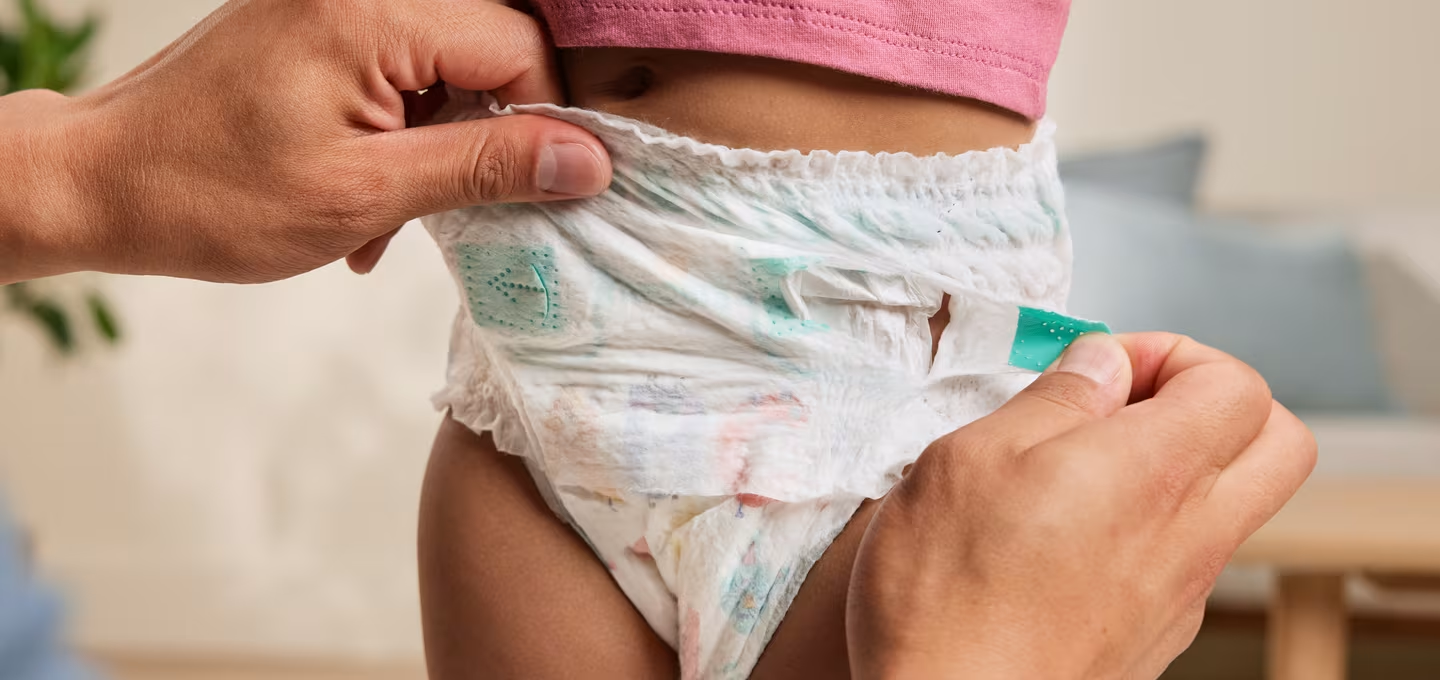
When to Size Up Diapers and Why Fit Matters?



📋 QUICK SUMMARY
It's time to size up when the waistband leaves red marks, the tabs won't fasten without stretching, or leaks start happening at the legs or back.
Key Takeaways
Wondering when to size up diapers? If your baby is nearing the top of a diaper’s weight range, it’s often time to size up—but the most important signs are about fit. Frequent leaks, red marks, gaps around the legs, or tabs that don’t fasten comfortably are clear signals your baby may need a bigger size. A well-fitting diaper should feel snug without leaving marks and provide full coverage to help prevent leaks.
Common signs it’s time to move up:
Next, we’ll break down each sign and help you understand how to know when to size up diapers with confidence.
Signs It’s Time to Size Up
If you’re asking yourself, “How do you know when to size up in diapers?” the answer usually comes down to how the diaper fits and performs—not your baby’s age alone. Babies grow at different rates, so watching for physical signs is key.
Parents also ask…
How often should you check diaper size as your baby grows? It’s a good idea to reassess diaper size every couple of weeks, especially during the first few months when growth is rapid.
How do you know if your baby is between diaper sizes? If one size feels snug but the next seems slightly loose, your baby may be between sizes—this often happens during rapid growth phases.
How Do Diaper Sizes Work?
If you’re unsure when to change diaper size, it helps to understand how sizing works.
Diaper sizes are typically based on weight ranges, not age. For example:
However, weight is only a guideline. Body shape, movement, and growth patterns all play a role.
So, how do you know when to change diaper size? Combine:
For more guidance, check our diaper size and weight chart.
What if Your Baby Is Between Sizes?
If you’re wondering when to move up a diaper size, but one size feels snug, and the next seems a little loose, your baby may be between sizes—which may occur during growth spurts.
Here are a few simple ways to decide:
As your baby grows, you may find yourself switching sizes sooner than expected—and that’s completely normal.
Still not sure which size is right? Try our Diaper Size Quiz for a quick, easy way to find the right size for your little one.

What is the right diaper size for your baby?
Not sure if your baby’s diaper fits quite right? From leaks to comfort, finding the right size makes all the difference! Take our quick quiz to discover the best diaper size for your little one and say goodbye to leaks. Let’s find that perfect fit!
Instant Results
Enjoyment Guaranteed
Personal Insights
How Should a Diaper Fit?
Understanding how a diaper is supposed to fit can make it much easier to decide when to size up.
A well-fitting diaper should:
Diapers like Pampers Swaddlers are designed with soft, flexible materials to help provide a snug, comfortable fit as your baby grows. According to pediatric guidance from HealthyChildren.org (AAP), a proper fit helps reduce leaks and skin irritation.
Tip
Why the right diaper size matters for leak protection
Features like Dual Leak-Guard Barriers and stretchy waistbands are designed to help prevent leaks—but they work best when the diaper fits properly. If a diaper is too small, it may not provide full coverage. If it’s too big, gaps can form around the legs, allowing leaks to escape. Choosing the right size helps these features perform as intended, keeping your baby more comfortable and dry.
Fit | Too Small | Just Right | Too Big |
|---|---|---|---|
Waist | Tight, leaves marks | Snug, no digging | Loose, slips down |
Leg cuffs | Red marks or gaps | Secure seal | Gaping openings |
Coverage | Doesn’t fully cover | Full coverage | Bulky or sagging |
Leaks | Frequent blowouts | Minimal leaks | Leaks due to gaps |
Baby comfort | Fussy | Comfortable | May shift or bunch |
Parents also ask…
When do newborns switch to size 1 diapers? Most babies move to size 1 diapers within a few weeks, once they exceed the newborn weight range or start outgrowing the fit.
When to switch diaper sizes during a growth spurt? During growth spurts, babies may outgrow diapers quickly, so it’s a good idea to reassess fit every few days.
What Happens if a Diaper is Too Big?
While sizing up can help, a diaper that’s too large can also cause issues.
If you’re wondering how to tell if a diaper is too big, look for:
A diaper that’s too big may not create a proper seal, allowing moisture to escape.
Should You Size Up Diapers at Night?
Nighttime is a common situation where parents consider sizing up.
Because babies may go longer between changes at night, a slightly larger diaper can sometimes offer extra absorbency and reduce leaks. Some parents also choose overnight-specific options like Pampers ZZZ, which are designed to provide enhanced absorbency for nighttime protection.
If you’re thinking about when to size up in diapers for overnight use, you might try:
If leaks continue, your baby’s healthcare provider can help rule out other concerns.

FAQS AT A GLANCE
Common signs include red marks, frequent leaks, tabs not reaching the center, gaps around legs, and fussiness. If the diaper feels tight or doesn’t fully cover your baby’s bottom, it may be time to size up.
The Bottom Line
Knowing when to size up diapers comes down to paying attention to your baby’s comfort and the diaper’s performance. A good fit should feel snug, prevent leaks, and keep your baby comfortable throughout the day and night. If you notice red marks, leaks, or fussiness, it may be time to move up a size.
Every baby grows differently, so trust what you see—and when in doubt, your baby’s healthcare provider can offer guidance tailored to your little one.
As you navigate diaper changes and growth spurts, you’re learning what works best for your baby—and that’s what matters most.
For more diapering tips, as well as rewards on all those diaper purchases, download the Pampers Rewards app.
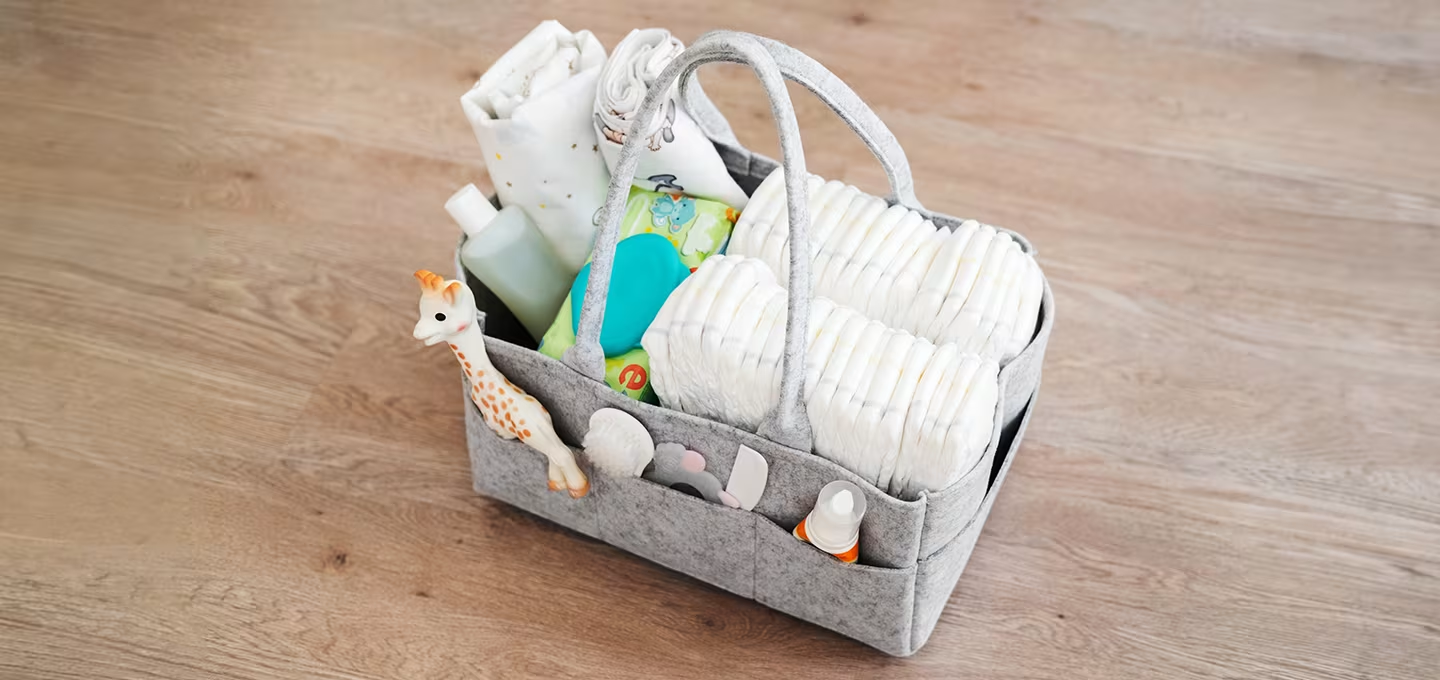
Diaper Caddy Essentials: What to Put in Your Baby’s Organizer
Are you looking for a great way to organize your diapering gear? A diaper caddy is a practical option for organizing all the essentials for easy diaper changes.
Read more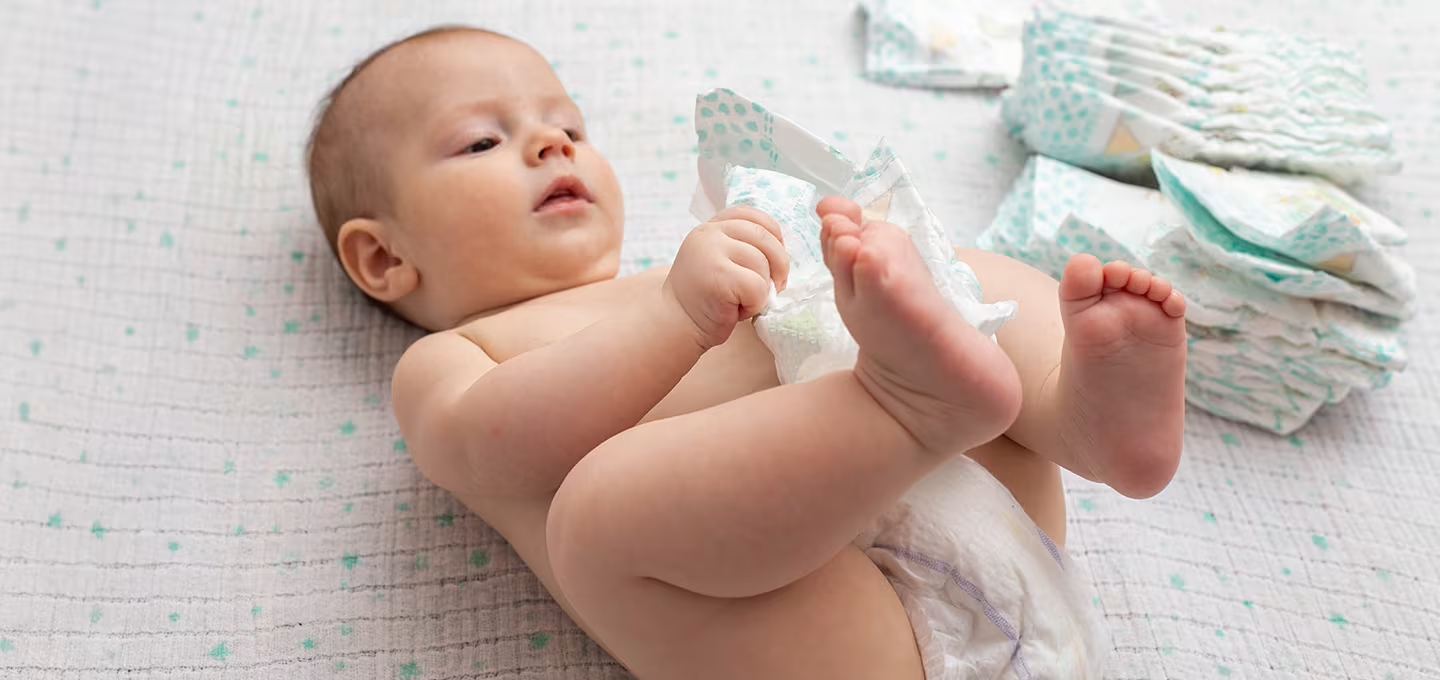
How to Properly Dispose of Diapers
Diaper disposal is simple—but not as simple as tossing a used diaper in the trash. Get our signature method and top tips for the proper disposal of diapers.
Read more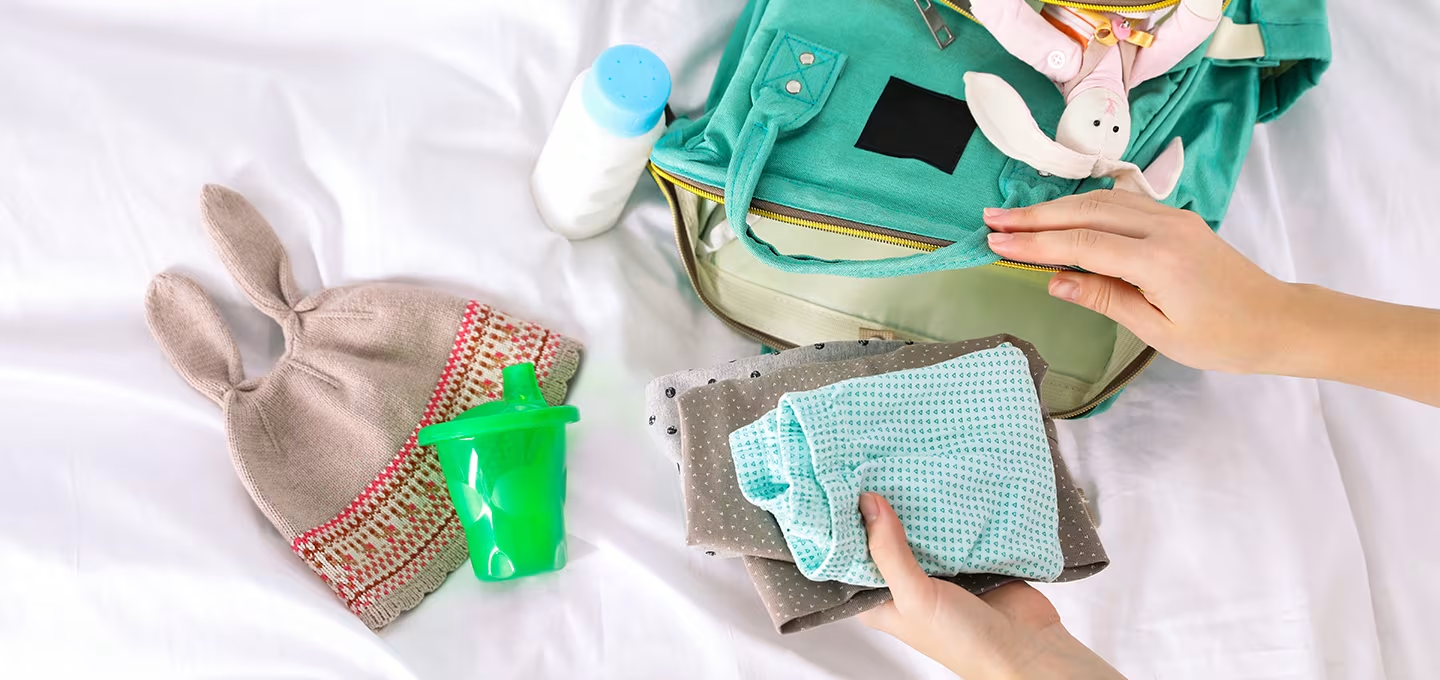
Your Diaper Bag Essentials Checklist
Here is our must-have checklist for what to pack in your diaper bag. Discover the essentials and nice-to-haves, and learn some helpful packing tips.
Read more
How Many Diapers a Day Does a Baby Need?
Wondering how many diapers a day your baby needs? Learn daily averages by age, diapering tips, and how to plan ahead with confidence.
Read more
What are Diaper Pants? A Guide to Pampers Pull-On Diapers
By Christopher B. Peltier
What are diaper pants and when should your baby use them? Learn more about Pampers pull-on diapers and the benefits for growing, active infants.
Read more
How Many Newborn Diapers Do I Need?
By Nick Imholte
While preparing for your baby’s arrival, you might ask yourself the question, “How many newborn diapers do I need?” We’ve got the answer and more!
Read more
Pampers Baby Diaper Size Chart Guide
By Nick Imholte
Use the Pampers diaper size chart to find the right fit for your baby. Compare diaper sizes by weight, learn when to size up, and avoid leaks with ease.
Read moreDiaper Caddy Essentials: What to Put in Your Baby’s Organizer
Are you looking for a great way to organize your diapering gear? A diaper caddy is a practical option for organizing all the essentials for easy diaper changes.
Read moreHow to Properly Dispose of Diapers
Diaper disposal is simple—but not as simple as tossing a used diaper in the trash. Get our signature method and top tips for the proper disposal of diapers.
Read moreYour Diaper Bag Essentials Checklist
Here is our must-have checklist for what to pack in your diaper bag. Discover the essentials and nice-to-haves, and learn some helpful packing tips.
Read moreHow Many Diapers a Day Does a Baby Need?
Wondering how many diapers a day your baby needs? Learn daily averages by age, diapering tips, and how to plan ahead with confidence.
Read moreWhat are Diaper Pants? A Guide to Pampers Pull-On Diapers
By Christopher B. Peltier
What are diaper pants and when should your baby use them? Learn more about Pampers pull-on diapers and the benefits for growing, active infants.
Read moreHow Many Newborn Diapers Do I Need?
By Nick Imholte
While preparing for your baby’s arrival, you might ask yourself the question, “How many newborn diapers do I need?” We’ve got the answer and more!
Read morePampers Baby Diaper Size Chart Guide
By Nick Imholte
Use the Pampers diaper size chart to find the right fit for your baby. Compare diaper sizes by weight, learn when to size up, and avoid leaks with ease.
Read moreDiaper Caddy Essentials: What to Put in Your Baby’s Organizer
Are you looking for a great way to organize your diapering gear? A diaper caddy is a practical option for organizing all the essentials for easy diaper changes.
Read more