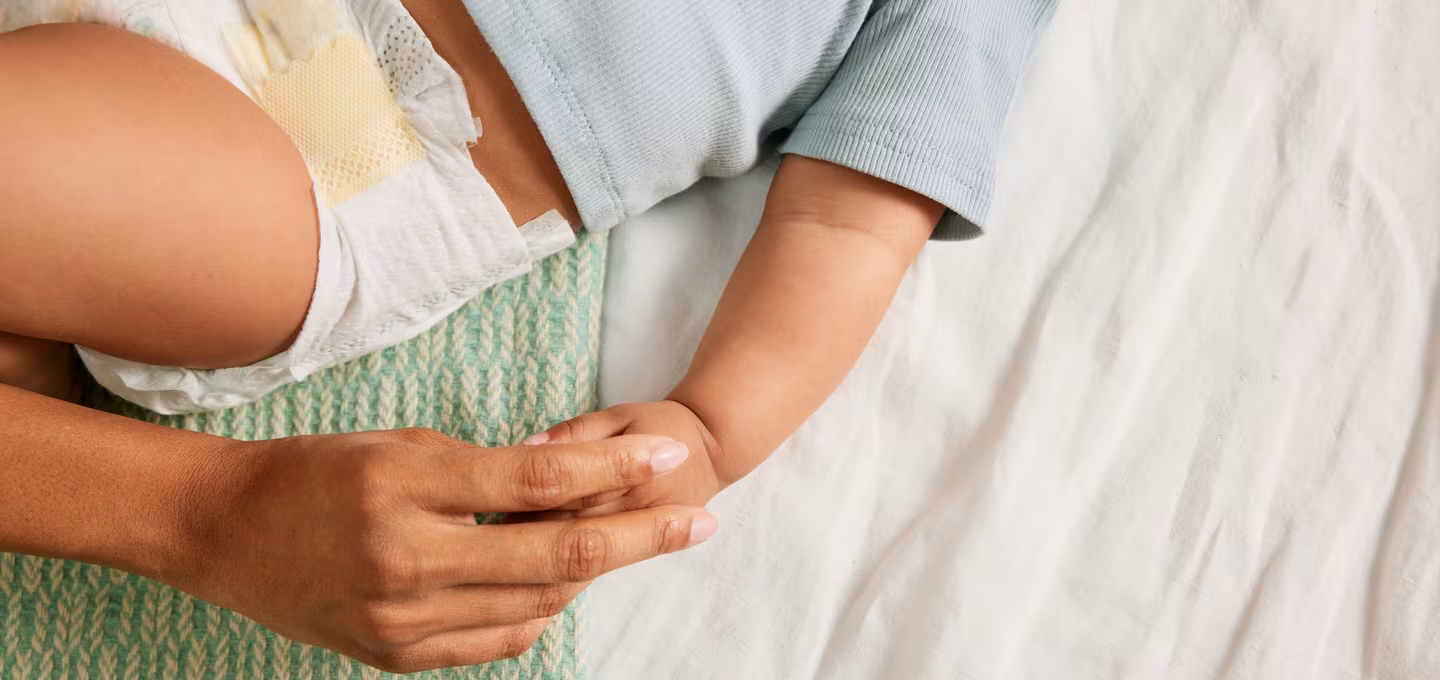
How Many Diapers a Day Does a Baby Need?



Key Takeaways
Wondering how many diapers a day your baby will go through? You’re not alone—this is one of the most common questions new parents ask, especially when planning ahead or trying to avoid those last-minute store runs.
The answer depends on your baby’s age, feeding patterns, and how often they urinate or have bowel movements. In general, newborns need the most frequent diaper changes, and the number gradually decreases as your baby grows and their digestive system matures.
Up next, we’ll break down how many diapers a day your baby may need at each stage, what’s considered normal, and how to make diapering a little easier for you.
How Many Diapers a Day?
If you’re asking, “How many diapers does a baby use in a day?” the short answer is: it varies—but there are reliable averages.
In the early weeks, your baby’s tiny bladder fills quickly, and frequent feedings mean frequent diaper changes. As your baby grows, their bladder capacity increases, and bowel movements may become less frequent.
According to the American Academy of Pediatrics (AAP), frequent wet diapers are also a reassuring sign that your baby is getting enough to eat.
This is why tracking how many diapers per day your baby uses can be a helpful way to understand their overall well-being.
How Many Diapers a Day for a Newborn?
So, how many diapers a day does a newborn use? The answer is quite a lot!
During the newborn stage (which typically includes the first 2 to 3 months), most babies go through about 8 to 12 diapers per day. So, you can likely expect frequent changes—especially in those early weeks.
In fact, many parents are surprised by just how many diapers a day newborns go through. It can easily add up to 70 or more per week.
What’s Typical in the First Week?
In the very early days, diaper output gradually increases. If you’re wondering, “How many wet diapers should a 3-day-old have?” here’s a simple guide:
Day 1: at least 1 wet diaper
Day 2: about 2 wet diapers
Day 3: about 3 wet diapers
By Day 5: 6 or more wet diapers per day.
This pattern of increasing wet diapers in newborns is often a sign of adequate feeding.
Bowel movements can also be frequent—sometimes after every feeding.
So whether you’re searching, “How many diapers a day for a 2-month-old?” or “How many diapers per day for a 3-month-old?” The range stays high during the entire newborn stage.
Remember, it’s normal for newborn diaper patterns to vary. Some babies may have a bowel movement after each feeding, while others may skip a day.
If you notice fewer wet diapers than expected or sudden changes, consult your baby’s healthcare provider.
Discover more in our guide to how many newborn diapers you need each day.
How Many Diapers After the Newborn Stage?
As your baby grows, you may notice fewer diaper changes per day—but still plenty!
Wondering how many diapers per day for a 4-month-old, 6-month-old, or 9-month-old? It’s important to remember that every baby is different, including their diaper output, so it’s tricky to give exact estimates by age. However, here’s a general breakdown of how many diapers per day for an infant:
This gradual decrease often happens as your baby’s digestive system matures and solid foods are introduced around 6 months.
What About Poop Frequency?
Along with fewer diaper changes, you may also notice changes in how often your baby has bowel movements—and this can vary quite a bit.
Some babies may continue to have daily bowel movements, while others may go several days without pooping, especially as they get older. This can be completely normal.
Feeding type can also play a role:
Both patterns can be typical as long as your baby’s stool is soft and they seem comfortable.
If you’re ever unsure about your baby’s diaper patterns, especially if stools become hard, very infrequent, or your baby seems uncomfortable, your baby’s healthcare provider can help guide you.
Want help planning ahead? Try our Diaper Purchase Planner to estimate how many diapers you might need over the next month.
How Many Diapers Per Day: Chart by Age and Weight
It’s important to remember that diaper size is based on weight, not age. Babies grow at different rates, so this chart offers general guidance.
Here’s how babies typically grow in terms of weight:
Birth to age 6 months. During this age range, your baby may gain about five to seven ounces per week, doubling their birth weight by about 5 months.
From 6 to 12 months. Typically, babies gain three to five ounces a week and triple their birth weight by 1 year.
The chart below offers a general estimate of how many diapers per day by size and weight.
How Many Diapers per Day Chart by Weight and Size | |||
|---|---|---|---|
Pampers diaper size | Baby weight (in pounds) | Average number of diapers per day* | How long your baby might need this size (in months) |
Size P1 diapers | <6 | as needed | as needed |
Size NB diapers | <10 lb | up to 10 | 1.6 |
Size 1 diapers z | 8-14 lb | up to 9 | 1.7 |
Size 2 diapers | 10-22 lb | up to 8 | 2.8 |
Size 3 diapers | 13-26 lb | up to 7 | 5.8 |
Size 4 diapers | 15-34 lb | up to 7 | 6.8 |
Size 5 diapers | 20-37 lb | up to 6 | 5.0 |
Size 6 diapers | 23-44 lb | up to 6 | 5.8 |
Size 7 diapers | 26-50 lb | up to 6 | 4.1 |
Size 8 diapers | 30+ lb | varies | - |
*Estimates can vary depending on your baby’s needs and feeding patterns.
Tip
If you’re unsure about sizing, check out our helpful diaper size and weight guide.
How Many Wipes Does a Baby Use in a Day?
When you’re changing all those diapers, it’s also common to ask, “How many baby wipes do you use in a day?”
The number of wipes you use each day can vary depending on how many diaper changes your baby needs and how messy they are. A messy diaper blowout will likely require more wipes than a regular poop. On average, your baby may need about 1 to 3 wipes per diaper change.
You may use more wipes during bowel movements and fewer for wet diapers.
Gentle cleaning with baby wipes during diaper changes helps prevent irritation and diaper rash.
Check out our comprehensive guide to Pampers baby wipes, and also learn more about our best baby wipes for diaper rash prevention.
How Often Should You Change Your Baby’s Diaper at Night?
At 3 a.m., simplicity matters. Here’s a quick guide if you’re wondering, “Should I change a poopy diaper at night?” or “Should you change a wet diaper at night?”:
Change now | Can likely wait until morning | ||
|---|---|---|---|
|
| ||
|
| ||
|
Checking the Wetness Indicator on the diaper or taking a quick peek down the back of your little one’s diaper without disturbing them can give you an idea of whether a diaper change may be needed. Keep nighttime diaper changes calm and quiet to avoid overstimulating your baby. Also consider our best overnight diapers for extra absorbency and leak protection throughout the night.
When to Change Your Baby’s Diaper?
Instead of focusing only on timing, it helps to look for cues.
Change your baby’s diaper when:
Frequent changes can help reduce the risk of diaper rash. Discover more about how often to change a diaper in our dedicated guide.
Parents also ask…
When to switch newborn diaper sizes? It may be time to size up if your baby is nearing the upper end of the newborn weight range (around 10 pounds) and you notice red marks, frequent leaks, or a tight fit. A well-fitting diaper should sit comfortably and fully cover your baby’s bottom.
Do breastfed newborns use more diapers? Breastfed newborns may go through more diapers—often around 10 to 12 per day—because they tend to have more frequent, softer bowel movements, especially in the early weeks.
How to tell if a newborn needs a diaper change? You might notice a wetness indicator changing color, a full or heavy diaper, or signs of discomfort. Many parents check every 2 to 3 hours during the day, as well as after feedings or bowel movements.
Should You Stock Up on Diapers?
It’s tempting to do a big diaper stock up before your baby arrives, but a balanced approach usually works best.
You may wonder, “What diaper size should I stock up on?” or “How many of each size diaper to stock up on?” The answer depends on your baby’s growth, which can be hard to predict ahead of time.
Tips for a smart diaper stock up:
- Buy more of larger sizes. Babies often outgrow newborn diapers quickly, so it can help to stock up more on Sizes 1, 2, and beyond. Learn more about when to size up in diapers.
-Avoid overbuying newborn sizes. While you may use plenty at first, this stage may only last a few weeks.
- Start small with different options. Trying a few different diapers, such as Pampers Swaddlers or AMORE, can help you find what works best for your baby.
- Keep receipts when possible. This makes it easier to exchange unopened packs if your baby outgrows a size sooner than expected.
Taking a flexible approach to your diaper stock-up can help you stay prepared without ending up with unused boxes.
And if you want to make savings as you stock up, download the Pampers Rewards app. With our free app, you can scan every diaper and wipes pack you purchase to earn Pampers Cash, which can be redeemed online or in-store.

FAQS AT A GLANCE
Most babies use 6 to 12 diapers per day, depending on age. Newborns need the most changes, while older babies may use fewer as their bladder capacity increases.
The Bottom Line
If you’re wondering how many diapers in a day your baby will need, the answer changes as your baby grows—but you can count on frequent changes in the early months.
Newborns may go through up to 12 diapers a day, while older babies typically need fewer. Watching your baby’s cues—and keeping them clean and comfortable—is what matters most.
And remember: every baby is different. If you ever have concerns about diaper output or feeding, your baby’s healthcare provider is always your best resource.
As you settle into your routine, you’ll quickly find your rhythm—and diaper changes will become just another small (and manageable) part of your parenting day.
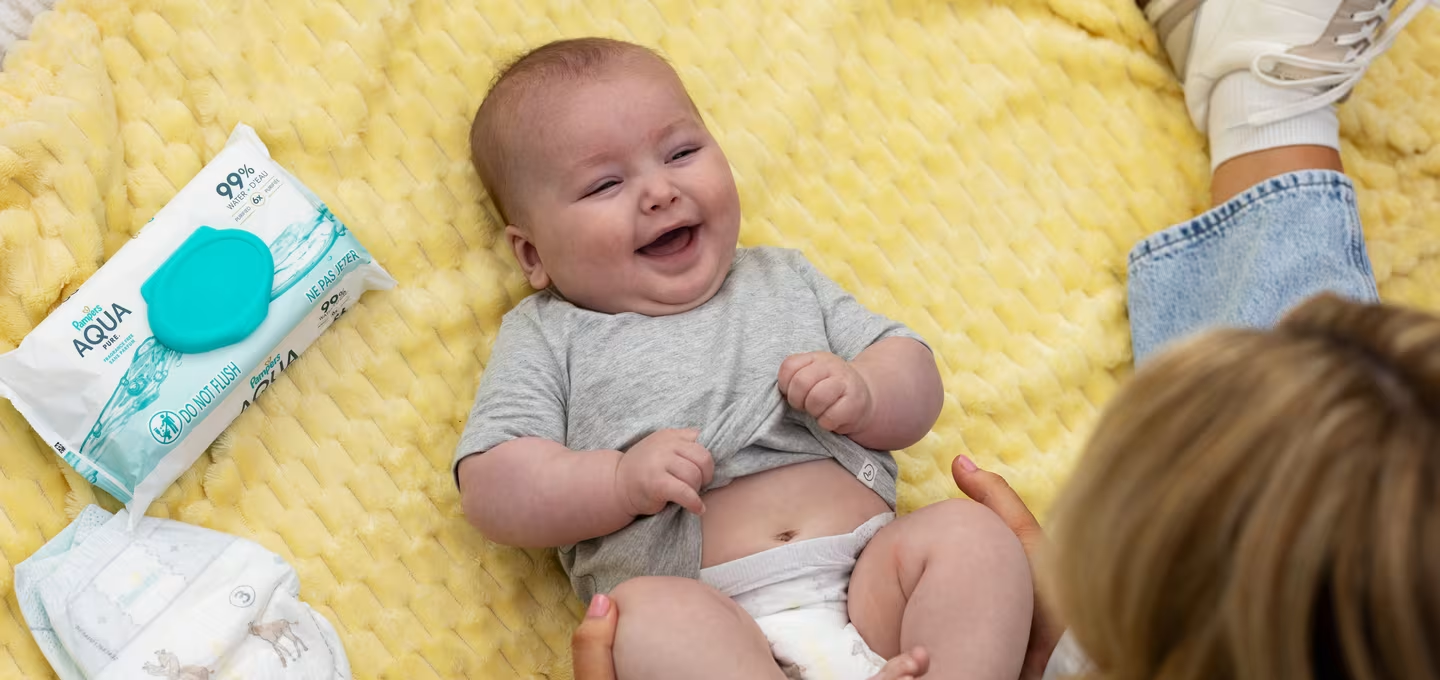
Pampers Baby Diaper Size Chart Guide
By Nick Imholte
Use the Pampers diaper size chart to find the right fit for your baby. Compare diaper sizes by weight, learn when to size up, and avoid leaks with ease.
Read more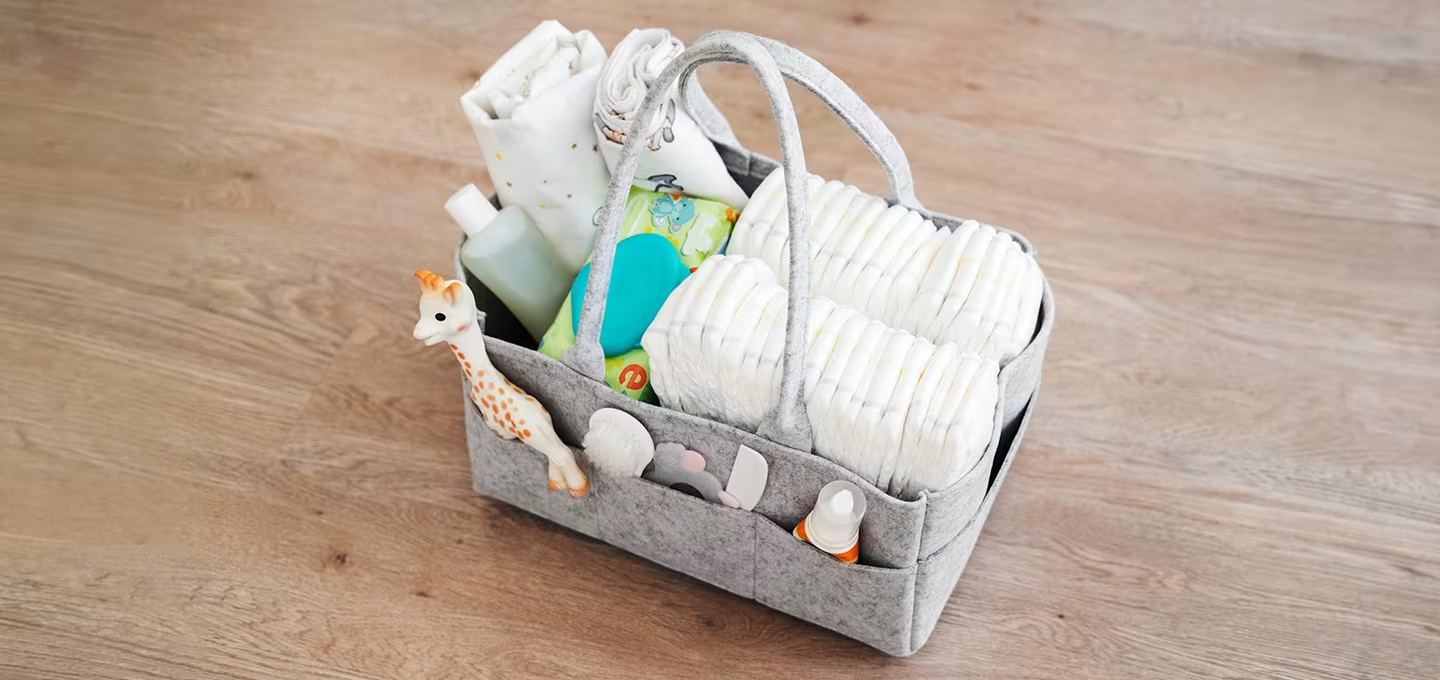
Diaper Caddy Essentials: What to Put in Your Baby’s Organizer
Are you looking for a great way to organize your diapering gear? A diaper caddy is a practical option for organizing all the essentials for easy diaper changes.
Read more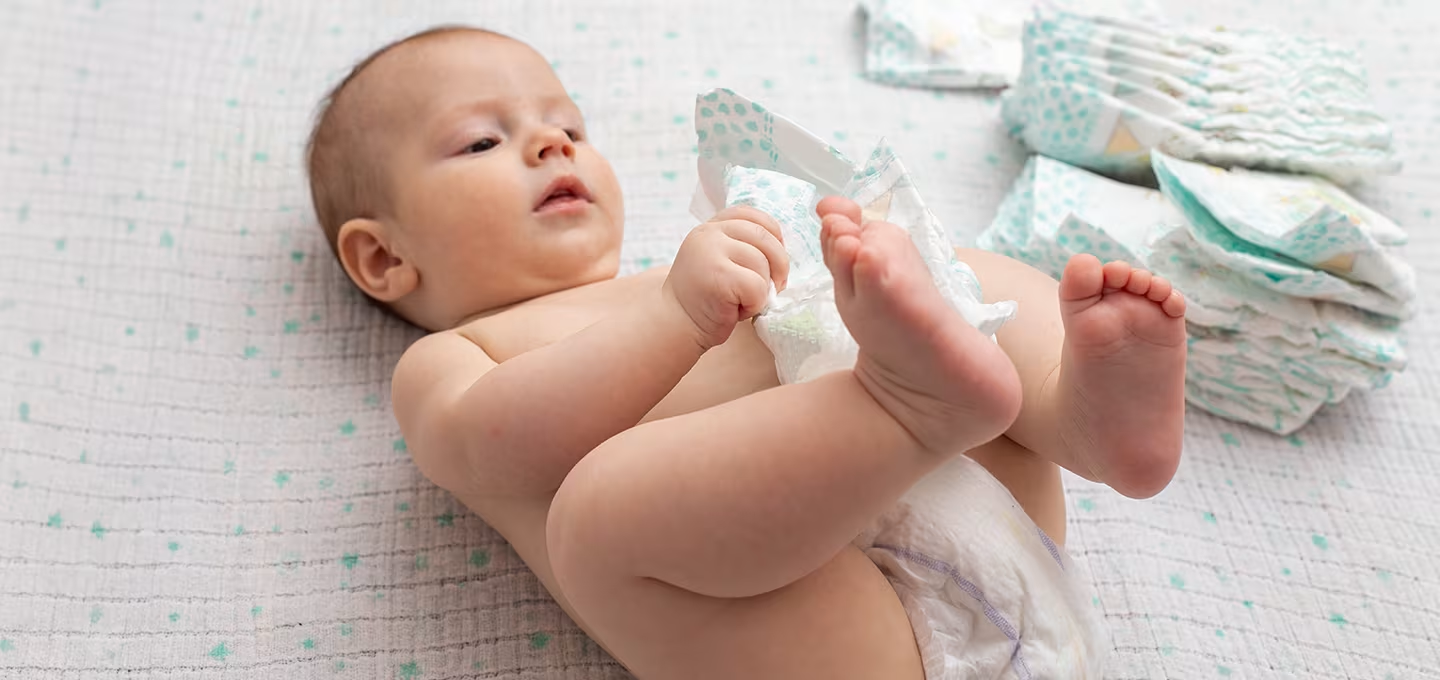
How to Properly Dispose of Diapers
Diaper disposal is simple—but not as simple as tossing a used diaper in the trash. Get our signature method and top tips for the proper disposal of diapers.
Read more
Your Diaper Bag Essentials Checklist
Here is our must-have checklist for what to pack in your diaper bag. Discover the essentials and nice-to-haves, and learn some helpful packing tips.
Read more
What are Diaper Pants? A Guide to Pampers Pull-On Diapers
By Christopher B. Peltier
What are diaper pants and when should your baby use them? Learn more about Pampers pull-on diapers and the benefits for growing, active infants.
Read more
When to Size Up Diapers and Why Fit Matters?
By Nick Imholte
Not sure when to size up diapers? Learn the signs—like leaks, red marks, and poor fit—and how to choose the right size for comfort and protection.
Read more
How Many Newborn Diapers Do I Need?
By Nick Imholte
While preparing for your baby’s arrival, you might ask yourself the question, “How many newborn diapers do I need?” We’ve got the answer and more!
Read morePampers Baby Diaper Size Chart Guide
By Nick Imholte
Use the Pampers diaper size chart to find the right fit for your baby. Compare diaper sizes by weight, learn when to size up, and avoid leaks with ease.
Read moreDiaper Caddy Essentials: What to Put in Your Baby’s Organizer
Are you looking for a great way to organize your diapering gear? A diaper caddy is a practical option for organizing all the essentials for easy diaper changes.
Read moreHow to Properly Dispose of Diapers
Diaper disposal is simple—but not as simple as tossing a used diaper in the trash. Get our signature method and top tips for the proper disposal of diapers.
Read moreYour Diaper Bag Essentials Checklist
Here is our must-have checklist for what to pack in your diaper bag. Discover the essentials and nice-to-haves, and learn some helpful packing tips.
Read moreWhat are Diaper Pants? A Guide to Pampers Pull-On Diapers
By Christopher B. Peltier
What are diaper pants and when should your baby use them? Learn more about Pampers pull-on diapers and the benefits for growing, active infants.
Read moreWhen to Size Up Diapers and Why Fit Matters?
By Nick Imholte
Not sure when to size up diapers? Learn the signs—like leaks, red marks, and poor fit—and how to choose the right size for comfort and protection.
Read moreHow Many Newborn Diapers Do I Need?
By Nick Imholte
While preparing for your baby’s arrival, you might ask yourself the question, “How many newborn diapers do I need?” We’ve got the answer and more!
Read morePampers Baby Diaper Size Chart Guide
By Nick Imholte
Use the Pampers diaper size chart to find the right fit for your baby. Compare diaper sizes by weight, learn when to size up, and avoid leaks with ease.
Read more