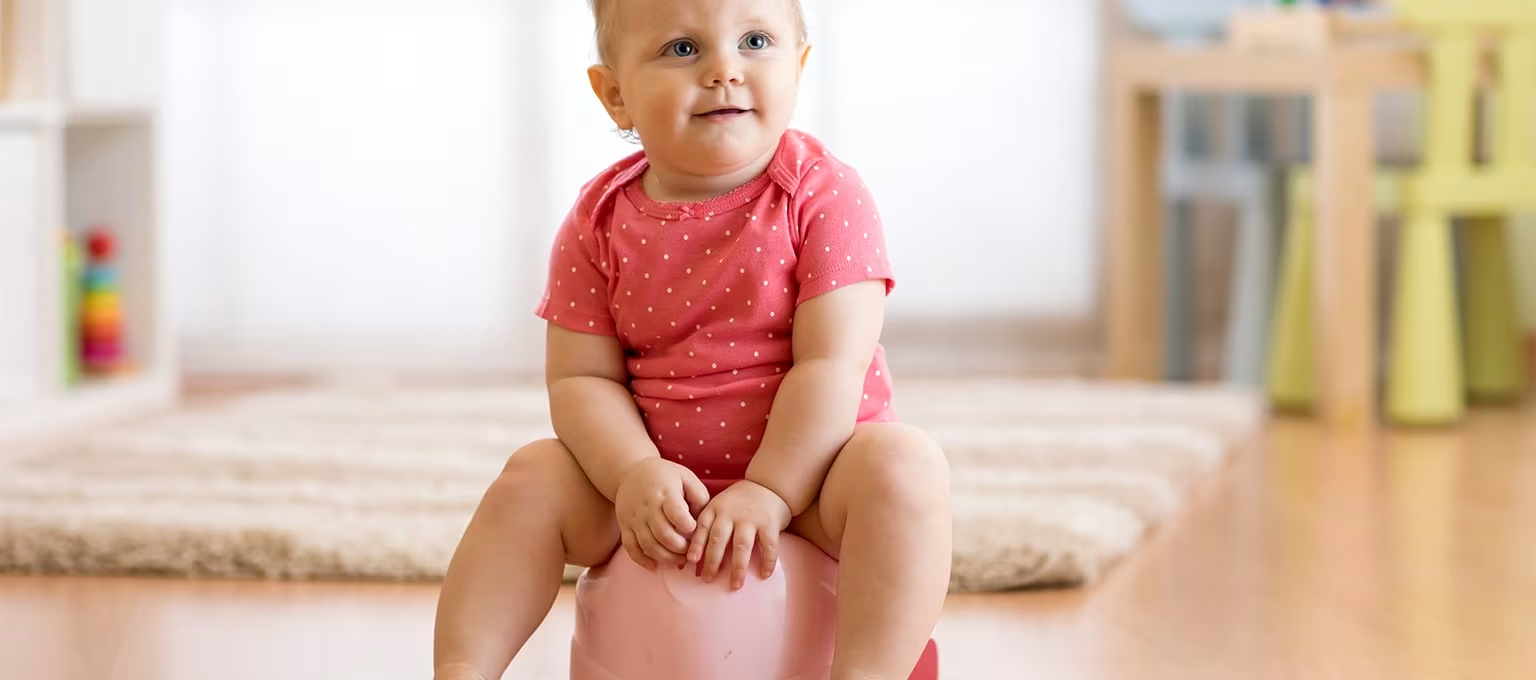
Potty Training Tips for Boys and Girls



Key Takeaways
Potty training is a big step from diapers to independence, and it goes best when you follow your child’s cues, keep expectations realistic, and stay calm through inevitable accidents. The most helpful potty training tips focus on readiness, routine, and positive reinforcement—rather than pressure or perfection. Start by setting up an easy, kid-friendly bathroom space and building predictable potty times into the day.
Key basics to remember:
Next, we’ll break these strategies down into simple, step-by-step guidance you can use right away.
Potty Training Tips
Wondering how to potty train? Potty training is a complex process, and knowing the best approach can be challenging because every child learns differently; there is no single best way to teach these necessary skills. It’s all about staying calm, consistent, and positive during the process.
To help you with your little one’s potty training adventure, we’ve compiled a list of tips for potty training to provide you with some techniques and advice:
Starting Potty Training: Setting the Stage for Success
If you’re wondering how to begin potty training, the best advice is to get yourself and your little one prepared before starting. This means ensuring your child is ready, interested, and that you have the setup needed for a smooth transition into potty training.
1. Ensure your child is ready. Try not to rush the process and start potty training too early, before your little one is actually capable of achieving success. Look for the signs of readiness in your child before starting potty training.
2. Involve your child in choosing the potty. If possible, go shopping for the potty chair or seat together with your child. It will make them feel more included and excited about using a new potty. You could even consider buying some stickers to decorate the potty, making it more appealing to your little one.
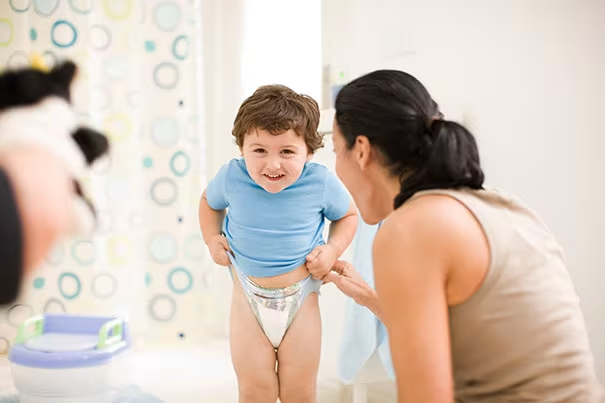
3. Buy big-kid underwear as a sign of encouragement. Purchase fun underwear or potty training pants, such as Pampers Easy Ups, with a favorite cartoon character on them. Explain to your child that during potty training, they can wear this fun “big kid” underwear. If you’re using regular underwear, be prepared for some potty training accidents.
4. Place the potty in a convenient spot. The bathroom is the obvious location (and putting it there may help your child make the connection that going potty happens in the bathroom), but you may also want to think about placing the potty in your child's bedroom for easy access after naps, or in the playroom.
5. Consider encouraging the toilet instead of the potty. You may prefer to start your child on a toilet with a child seat instead of a freestanding potty. If so, reinforce the idea that the toilet is where the adults go, and that this is a great chance to do “grown-up” things. A stepstool or footstool will help them reach the toilet more easily and help them maintain balance, too.
| Try Pampers Easy Ups |
|---|
Featuring your favorite characters—Bluey and Peppa Pig—Pampers Easy Ups are super soft, comfortable, and breathable training pants that fit just like real underwear! The 360 stretchy waistband is gentle on your child's skin and makes it easy for them to pull up and down independently. They also provide up to 100% leakproof protection, day and night. |
Creating a Potty Routine
6. Get on a potty schedule. Once your little one starts potty training, implement a simple toilet training schedule. For example, you could encourage going to the potty after eating or after naptime. This lets your child know that going potty is a routine thing.
7. Recognize the signs. Keep an eye out for cues that your child needs to use the potty. For example, when they need to poop, you might notice grunting, squatting, or their face may turn red. It might help to explain to your child that these signs mean a poop is about to come. If your child is able to verbally communicate with you, they may tell you when they need to go or when their diaper is wet. Praise them for telling you—even if they didn’t make it to the potty.
8. Potty train before bedtime and after waking. It’s a good idea to take your child to the toilet before they go to bed and as soon as they wake up in the morning. You might like to take them to use the potty during any nighttime wakings, too. Showing them the routine of going to the potty at regular times will help them build good habits and might help prevent some nighttime accidents, too. It’s important to remember that nighttime potty training usually takes longer than daytime.
9. Teach good hygiene habits. Show your little one how to wipe properly. When potty training a girl, show them how to wipe front to back to prevent infections. When potty training a boy, it’s recommended to start by teaching him to pee sitting down rather than standing up when using the potty. Make sure your child learns to wash their hands thoroughly after they use the potty.
| Parents also ask… |
|---|
When is the right age to start potty training? Most toddlers show signs of potty training readiness between 18 months and 3 years old. Look for cues like staying dry longer, showing interest in the toilet, or telling you when they need to go.
How often should I take my toddler to the potty? Many parents start by encouraging potty breaks every 1–2 hours or after meals and naps. Over time, your child will begin recognizing their own signals. |
Making Potty Training Fun and Motivating
10. Use a rewards chart to track (and reward) progress. You can hang it near the potty or in the bathroom, and every time your toddler does a good job, let them place a sticker on the chart. They’ll feel great every time they get a new sticker.
11. Create a potty-training song. If your child seems nervous about using the potty, some musical encouragement could help them feel more relaxed and get into the groove. You could sing the song as you both head to the potty, or you can sing it together while they are using the potty. There are plenty of videos online of song ideas, or you could make up your own little ditty.
12. Shower your child with praise. When your little one does a good job on the potty, tell them! You could also give them a high-five or a hug, or do whatever works to keep their motivation high and to reinforce that they’re doing a great job.
13. Have naked time. Some parents swear by this tactic for potty training. The basic idea is that letting your child go naked at home encourages them to use the potty since they have no diaper to go into. For those children who still find it difficult to pull down their training pants to use the potty, this approach might be especially useful. This strategy might work best during the hot summer months, but, as with all of the potty training tips in this article, it might not work for every child.
14. Magic tricks. Add some blue dye (or just some blue toilet bowl cleaner) to your toilet bowl. As your little one pees, the color of the toilet water will change from blue to green. An alternative is to add dish soap to the toilet. When your child pees, they will love watching it foam and bubble up.
15. Use target practice to encourage your boy. Once your boy is ready to try peeing standing up, you can start to teach him how to aim. One way to do this is to drop a piece of O-shaped cereal into the toilet bowl or potty. Then encourage your boy to take aim. The satisfaction of making the target will serve as positive reinforcement.
Teaching Through Modeling and Learning
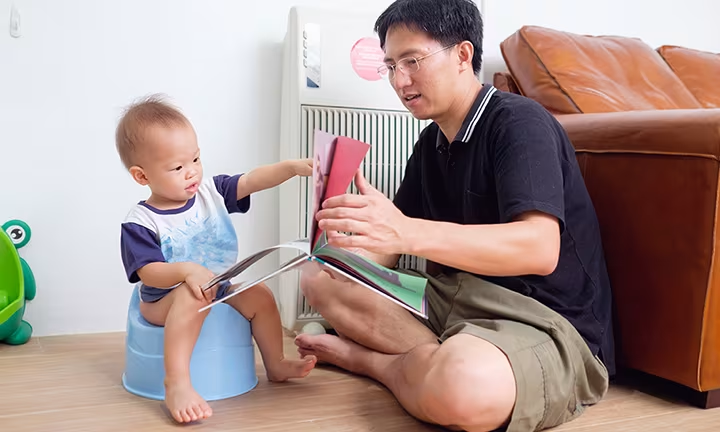
16. Give your child a book. Read your little one a book about going to the potty while they’re actually on the potty, or let them look at one of their favorite picture books to pass the time and help them feel more relaxed.
17. Train by example. Take your child with you the next time you need to use the toilet, and show them how easy it is to pee and poop. Dads might find it easier to teach little boys, and moms might demonstrate the process for girls. However, there’s no single rule, and you should go with what works for your family.
18. Show and tell. If you’re wondering how to get your toddler to poop on the potty, another tactic is to act out a “going to the bathroom” scene. Use a favorite doll or teddy bear to act out how the doll goes about using the toilet or potty. You can even ask your child to show you how the doll goes potty to reinforce the lesson.
Helping With Pooping and Toilet Fears
19. Make pooping less scary. For your little one, passing a bowel movement might be frightening. Their reluctance can lead to withholding, which can lead to constipation. Passing hard stools can be painful, too, and your child may associate pooping with pain. Teach your toddler (perhaps by watching a cartoon on the subject or by reading them a children’s book on potty training) that pooping is a natural process, and that there’s nothing to be afraid of.
20. Don’t flush right away. If you’re using your toilet to train, don’t flush right after your child has used the potty. The flushing sound can be especially scary in the initial stages of potty training. Introduce the concept of flushing gradually, perhaps once your toddler has gotten the hang of going potty, and make a fun game out of it—almost like letting your little one press an elevator button.
Handling Challenges and Setbacks
21. Don’t expect miracles in a few days. Some parents swear by three-day potty training, which is kind of like potty training boot camp where the training occurs on a strictly timed schedule. Although this might work well for some, it’s not for every parent or child. It’s important to be patient and remember that potty training may take time.
22. Try reverse psychology. If you find your child is having a hard time getting used to the idea of using the potty, or is simply refusing to do so, you might like to try some reverse psychology. For example, you might gently ask if they would rather stay in diapers even when they’re a big boy or girl. The trick with this tactic is not to cross over into applying too much stress or pressure on your little one, as this can have the opposite effect and make them even more resistant to potty training.
23. Don’t punish mistakes. Although potty-training struggles can be frustrating at times, resist the urge to get angry or punish your toddler. Instead, let them know that it’s OK and they can try again later. Added pressure will not help them learn any faster. It may also be that your little one isn’t ready yet, so consider putting potty training on hold for a few days or weeks.
24. Remember, regression can happen. During the potty-training phase, you might hit a snag or encounter setbacks. This is a normal and natural part of the learning process. Don’t be discouraged if this happens. Be patient. Try another technique. Give it time. Check out our dedicated guide for more potty training regression tips.
| Parents also ask… |
|---|
When should I talk to a pediatrician about potty training concerns? If your child shows ongoing pain, extreme fear, or hasn’t made progress well past age 3–4, it may be worth checking in with a healthcare provider.
Is it okay to pause potty training if it’s not going well? Yes. Taking a short break can reduce stress for both you and your child and often leads to better progress when you restart. |
FAQs at a Glance
The three-day potty training method is kind of like a potty training boot camp for your child. Using the potty is done on a strictly timed schedule, which can put your child under quite a bit of pressure. This method doesn’t work for every parent or child.
The Bottom Line
We hope that these potty training tips can help you and your child during this process. Don’t lose hope if it isn’t happening as seamlessly as you’d like. With these potty training techniques on hand, hopefully you can find a method that works best for you and your little one. Eventually, they’ll get the hang of it.
Download the Pampers Rewards app so that you can earn rewards on the diapers or training pants you’ll be using during potty training. You deserve it!
- American Academy of Pediatrics. Caring for Your Baby and Young Child: Birth to Age 5, 7th ed. (New York: Bantam Books, 2019).
- Healthy Children: Toilet Training: 12 Tips to Keep the Process Positive
- Healthy Children: Is it true boys usually toilet trained later than girls?
Read more about Toddler
My Preschooler Isn’t Fully Potty Trained and I’m Okay with That
Potty training is different for every child, and it takes time. If you’re worried about potty training, read this heartfelt story from an experienced Mom.
Read more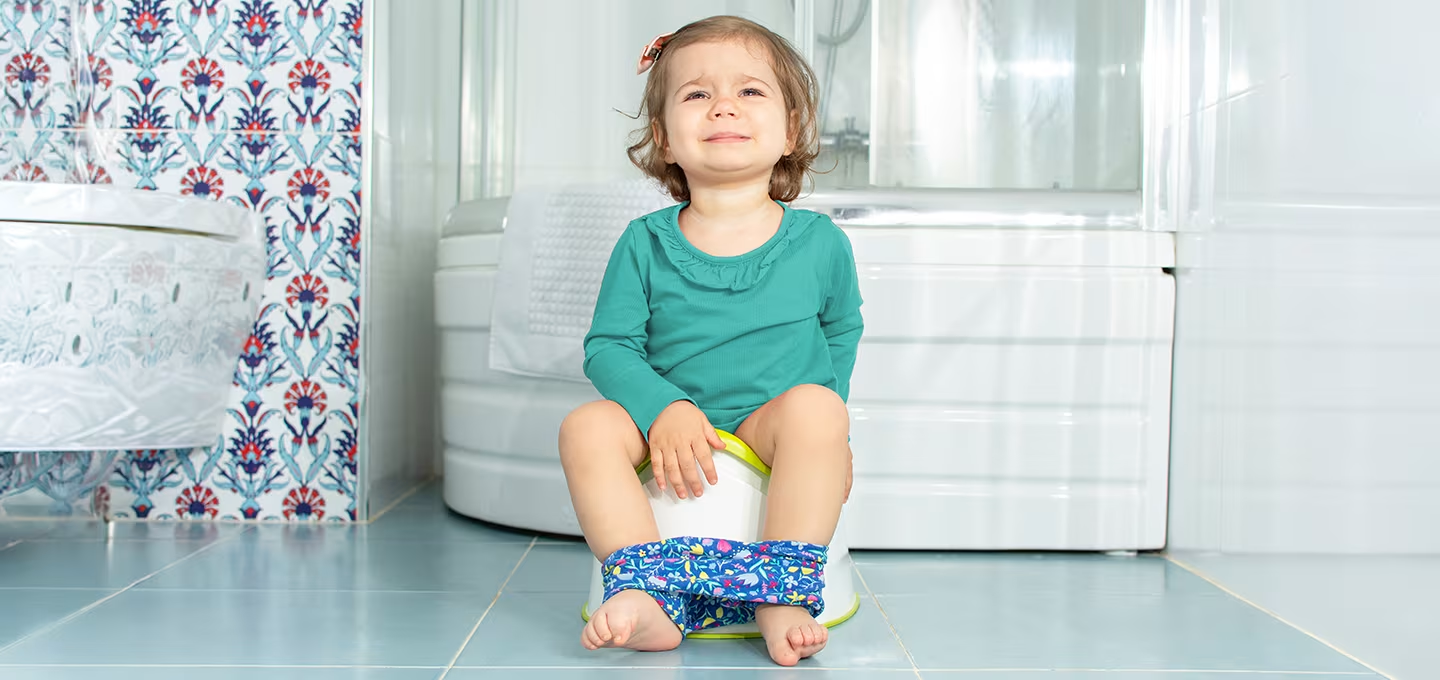
How to Deal With Potty-Training Regression
Learn all about potty-training regression, including what might cause your potty-trained child's accidents and how to handle them.
Read more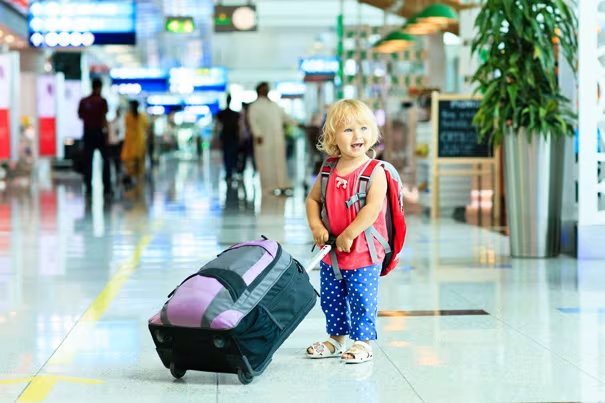
Potty Training While Traveling
Potty training is hard at home and can be even harder on the road. Follow these guidelines to help with potty training while traveling.
Read more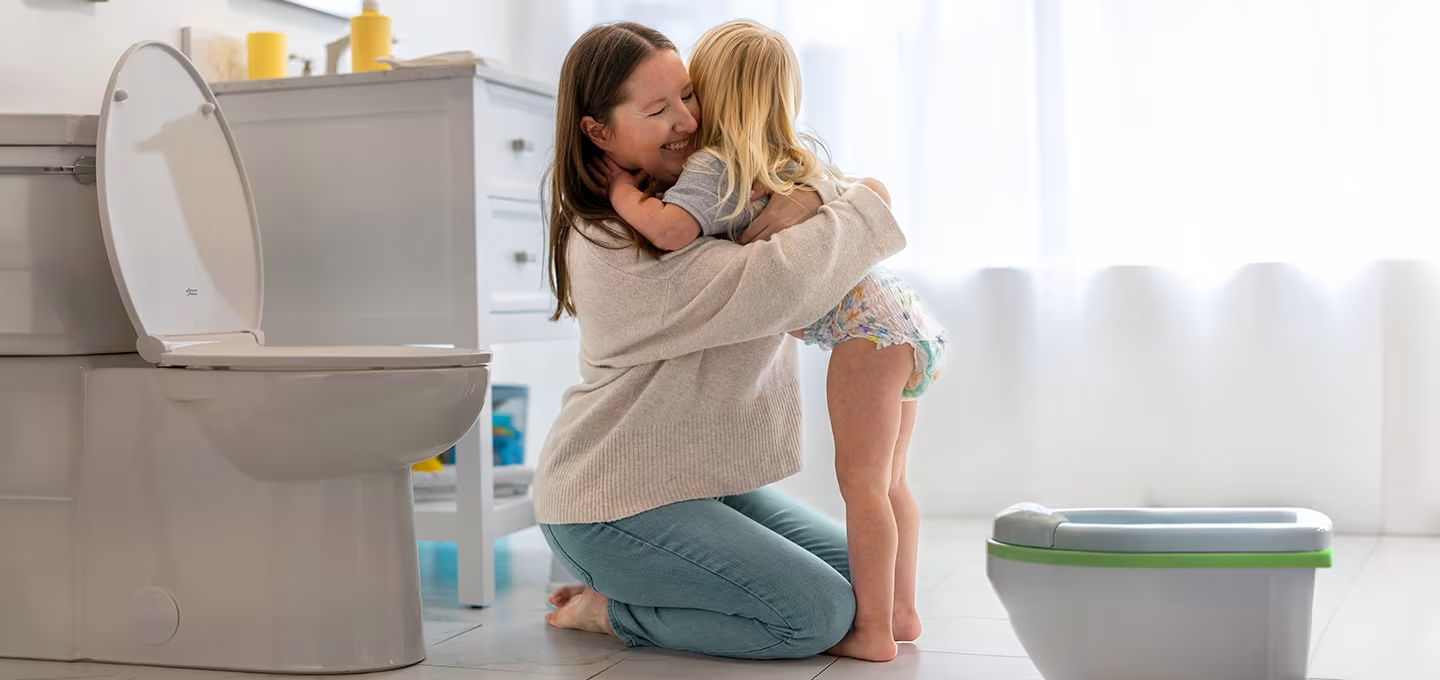
Potty Training Songs: Fun Tunes to Help Your Toddler
Looking for potty training songs? Check out our list of fun tunes that can make potty training an exciting journey for your toddler.
Read more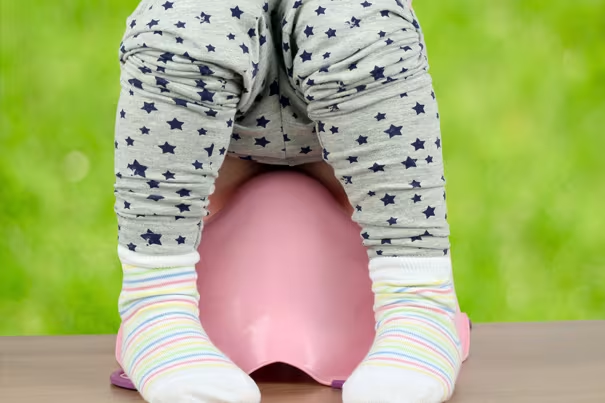
Potty Training Stories
Potty training can be surprising, challenging, and even hilarious. Check out these real-life stories from moms who've made it through the process.
Read moreMy Preschooler Isn’t Fully Potty Trained and I’m Okay with That
Potty training is different for every child, and it takes time. If you’re worried about potty training, read this heartfelt story from an experienced Mom.
Read moreHow to Deal With Potty-Training Regression
Learn all about potty-training regression, including what might cause your potty-trained child's accidents and how to handle them.
Read morePotty Training While Traveling
Potty training is hard at home and can be even harder on the road. Follow these guidelines to help with potty training while traveling.
Read morePotty Training Songs: Fun Tunes to Help Your Toddler
Looking for potty training songs? Check out our list of fun tunes that can make potty training an exciting journey for your toddler.
Read morePotty Training Stories
Potty training can be surprising, challenging, and even hilarious. Check out these real-life stories from moms who've made it through the process.
Read moreMy Preschooler Isn’t Fully Potty Trained and I’m Okay with That
Potty training is different for every child, and it takes time. If you’re worried about potty training, read this heartfelt story from an experienced Mom.
Read moreHow to Deal With Potty-Training Regression
Learn all about potty-training regression, including what might cause your potty-trained child's accidents and how to handle them.
Read morePotty Training While Traveling
Potty training is hard at home and can be even harder on the road. Follow these guidelines to help with potty training while traveling.
Read moreJoin a World of Support
through Pregnancy and Parenthood.
TRACK WITH TOOLS
LEARN WITH EXPERTS
GET REWARDED




Where You Already Belong