
Toddler Biting: How to Help a Child Who Bites


Biting is very common among children ages 18 months to 3 years. Most biting reflects not only a toddler's feelings, but also her limited expressive language. A 5-year-old may say, "Leave that alone. It's mine!" but a younger child may defend her turf with her teeth.
Why Children Bite
Biting is an emotional topic for parents. It seems so primitive and unmannered, and lots of parents think it indicates a disturbed child. Nothing gets a kid kicked out of day care or off the birthday party list quicker than being identified as a biter. But biting alone does not predict later emotional and social problems, and the risks of physical harm are small.
Sometimes children will bite when they're excited or even happy. And almost all toddlers will bite someone at one time or another. At this age children usually act without thinking of the consequences. In fact, when one child bites another, the one who bit is often as surprised and upset as the one who was bitten.
Helping a Child Who Bites
Don't wait even a few minutes to talk to your child when she bites another. Toddlers have short attention spans, so they need clear and immediate feedback. Avoid vague statements like "Now, be nice to your sister," because a toddler may not see the link between that and her biting.
Try this: "No! We can bite apples or sandwiches, but we never bite people!"
Never bite a child back. It only teaches her that biting is acceptable behavior. She won't understand her parent's aggression and is likely just to be scared without learning anything.
Adapted from Toddlers and Preschoolers by Lawrence Kutner, Ph.D. (Avon, 1994).
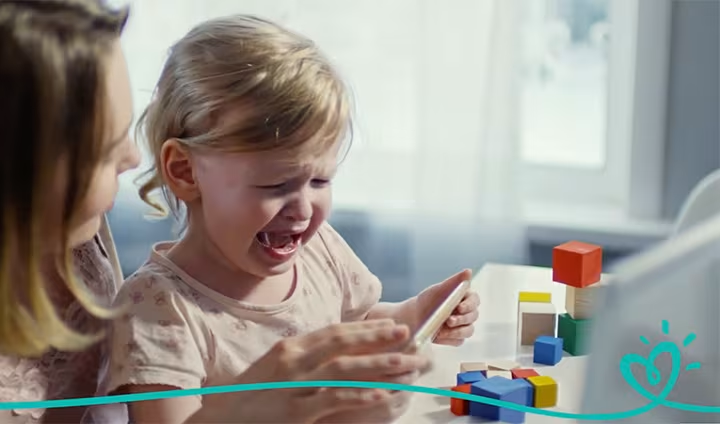
Read more about Toddler
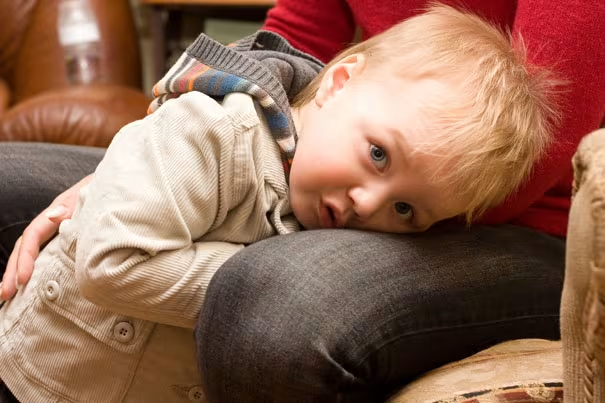
How to Help a Child Who Is Shy
What causes shyness? How can we help a young child overcome these feelings?
Read more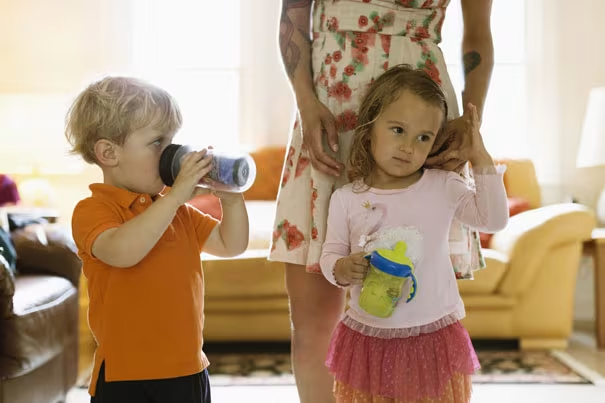
Fighting Toddlers: Handling Aggressive Behavior
Does your child fight a lot? Some toddlers and preschoolers get into repeated and escalating tussles. Get some tips and insight on helping kids cope with aggressive behavior.
Read more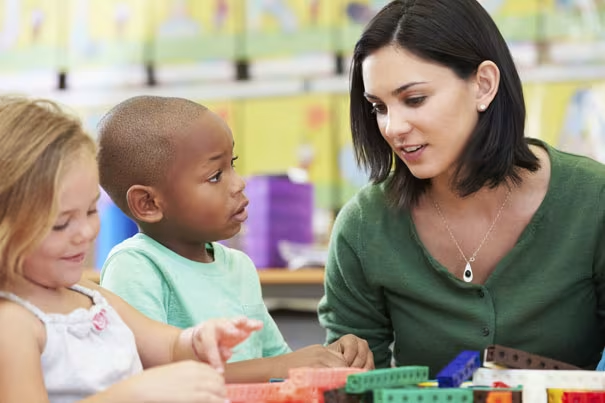
Manners for Toddlers
Are you struggling with getting your little one to say please and thank you? A few smart strategies and techniques may help this go more smoothly. Learn more about teaching manners.
Read more
Potty Talk: Curbing Bad Language in Toddlers
Poo-poo head! Sometimes, the words toddlers and preschoolers use are not as innocent as you might hope. What does this bad language really mean to them?
Read more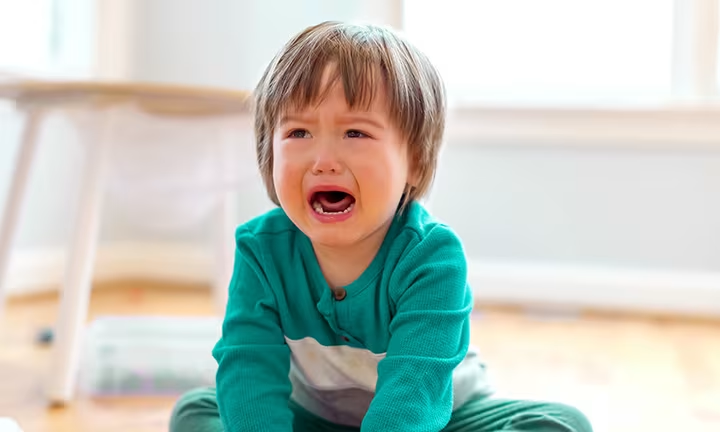
How to Handle Toddler Temper Tantrums
By Christopher B. Peltier
Temper tantrums are an inevitable part of toddler development. Learn how to prevent and manage your toddler’s temper tantrums before they escalate.
Read more
How Understanding ‘Power’ Can Help With Toddler Behavior
Back to basics parenting consists of four major tools that parents can learn to resolve 90% of behavior issues with your little ones at home. Mastering the first principle, power, is an important step to conquering these challenges and reducing tantrums. Read more about it here!
Read more
Why Some Children Cry More Than Others
You might ask yourself why your baby cries so much. Here’s what you can do to soothe your baby and relieve your own stress.
Read more
Why Does Your Child Suck Her Thumb and Should You Stop It?
Most babies suck their thumbs, but should you be trying to stop it when they get older? Learn why your child sucks her thumb and when to break the habit.
Read more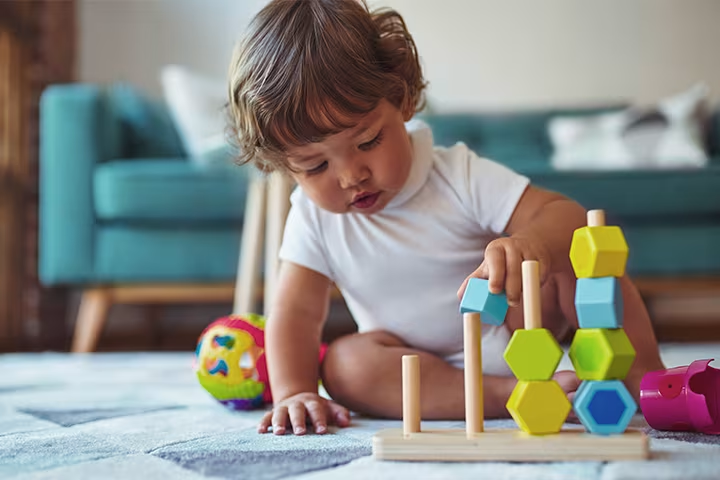
Pincer Grasp Development
Find out at what age your baby may start developing the pincer grasp, the type of hold that’s used for fastening and holding a pencil.
Read more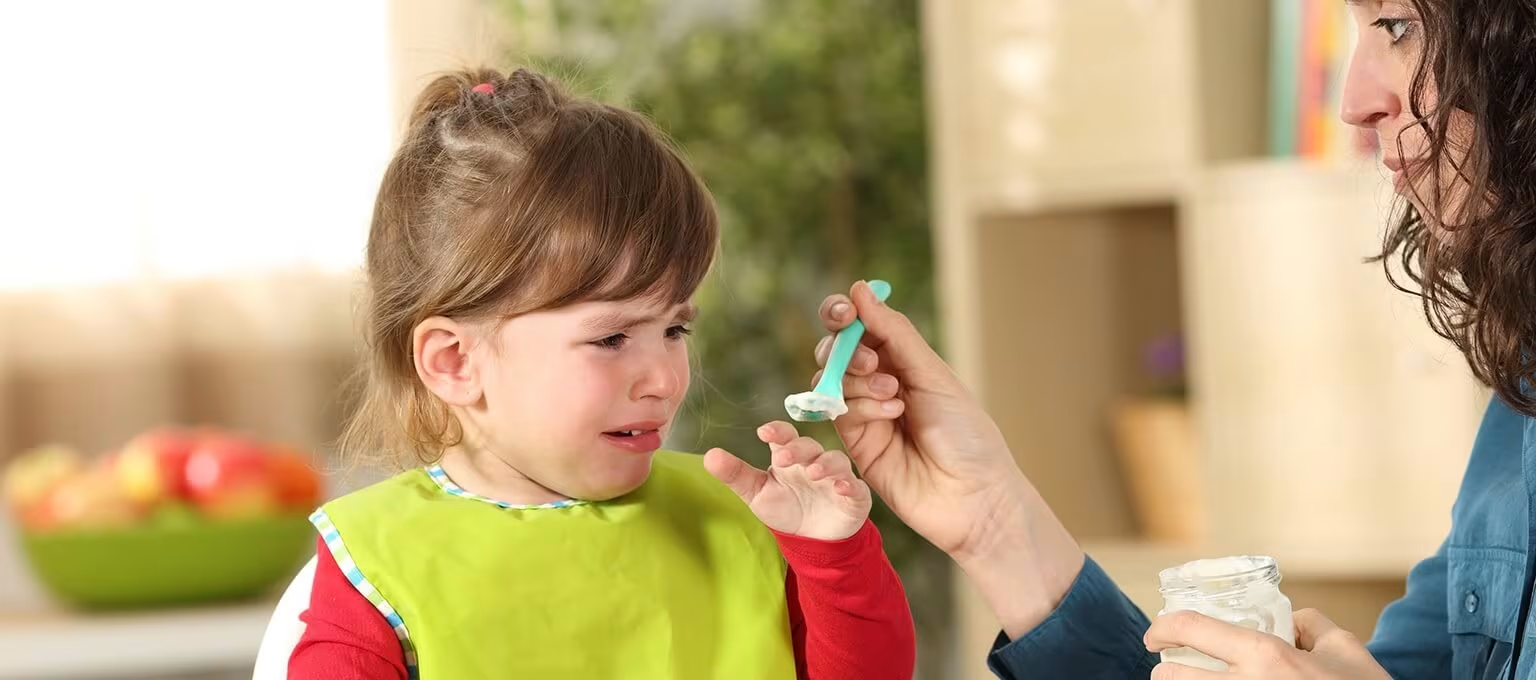
Toddler Pushing Boundaries? Learn Techniques to Help you Best Handle the Situation
Set boundaries for kids' behavior. Without them, they won't know what's acceptable. Learn effective responses as parents. More info.
Read moreHow to Help a Child Who Is Shy
What causes shyness? How can we help a young child overcome these feelings?
Read moreFighting Toddlers: Handling Aggressive Behavior
Does your child fight a lot? Some toddlers and preschoolers get into repeated and escalating tussles. Get some tips and insight on helping kids cope with aggressive behavior.
Read moreManners for Toddlers
Are you struggling with getting your little one to say please and thank you? A few smart strategies and techniques may help this go more smoothly. Learn more about teaching manners.
Read morePotty Talk: Curbing Bad Language in Toddlers
Poo-poo head! Sometimes, the words toddlers and preschoolers use are not as innocent as you might hope. What does this bad language really mean to them?
Read moreHow to Handle Toddler Temper Tantrums
By Christopher B. Peltier
Temper tantrums are an inevitable part of toddler development. Learn how to prevent and manage your toddler’s temper tantrums before they escalate.
Read moreHow Understanding ‘Power’ Can Help With Toddler Behavior
Back to basics parenting consists of four major tools that parents can learn to resolve 90% of behavior issues with your little ones at home. Mastering the first principle, power, is an important step to conquering these challenges and reducing tantrums. Read more about it here!
Read moreWhy Some Children Cry More Than Others
You might ask yourself why your baby cries so much. Here’s what you can do to soothe your baby and relieve your own stress.
Read moreWhy Does Your Child Suck Her Thumb and Should You Stop It?
Most babies suck their thumbs, but should you be trying to stop it when they get older? Learn why your child sucks her thumb and when to break the habit.
Read moreJoin a World of Support
through Pregnancy and Parenthood.
TRACK WITH TOOLS
LEARN WITH EXPERTS
GET REWARDED




Where You Already Belong