Preemie Diapers Guide: Sizes, Fit, and Tips | Pampers


📋 QUICK SUMMARY
Babies under 6 pounds usually need a preemie or micro preemie diaper — smaller than a standard newborn size — which hospitals typically provide during a NICU stay.
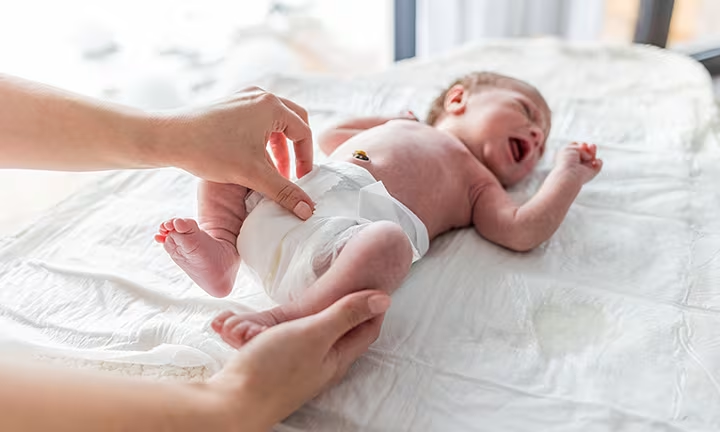
If your baby arrived earlier than expected, choosing the right diaper may feel like one more thing to figure out during an emotional and overwhelming time. The good news is that preemie diapers are specially designed to fit tiny babies comfortably while helping protect their delicate skin.
Unlike standard newborn diapers, preemie diapers are made for babies who weigh less than about 6 pounds. They offer a snugger fit around the legs and waist to help reduce leaks and irritation during the many diaper changes your little one may need each day.
Key Takeaways
In this guide, you’ll learn how preemie diaper sizes work, what features to look for, how long babies typically wear them, and when it may be time to size up.
What Are Preemie Diapers
Preemie diapers are specially designed diapers made for premature babies, also called preemies. A premature baby is born before 37 weeks of pregnancy, according to the American Academy of Pediatrics (AAP).
Because preemies are often smaller than full-term newborns, regular newborn diapers may fit too loosely around the legs and waist. Gaps in the diaper can lead to leaks, friction, and irritation on sensitive skin.
Preemie diapers are thoughtfully designed to support the unique needs of premature babies, whose skin is more delicate and vulnerable to irritation than full-term newborn skin.
Features commonly found in preemie diapers include:
Pampers Preemie Swaddlers are designed in collaboration with NICU nurses and are used in many hospitals across the United States. The diapers are designed to help support skin health while providing gentle comfort and protection for premature babies.
Many neonatal intensive care units (NICUs) use preemie diapers designed specifically for low birth weight babies. Your baby’s healthcare provider or NICU team may also recommend a certain diaper size based on your little one’s weight and skin needs.
How Preemie Diapers Differ From Newborn Diapers
Although preemie and newborn diapers may look similar, there are some important differences.
| Feature | Preemie Diapers | Newborn Diapers |
|---|---|---|
| Typical Weight Range | Under 6 pounds | Around 6 to 10 pounds |
| Fit | Smaller and snugger | Larger overall fit |
| Leg Openings | Narrower for tiny legs | Wider openings |
| Skin Features | Extra soft materials and flexible fit | Standard newborn protection |
| Umbilical Cord Notch | Often included | Often included |
| Common Uses | Premature or low birth weight babies | Full-term newborns |
A snug fit may help prevent leaks while also reducing rubbing against your baby’s fragile skin.

Can You Use Newborn Diapers For Preemies?
In some cases, newborn diapers may work for larger preemies nearing the newborn weight range. However, many premature babies are simply too small for standard newborn diapers.
If a diaper is too large, you might notice:
Using the correct diaper size may help keep your baby more comfortable while helping protect their sensitive skin.
Parents also ask…
How do you know if a preemie diaper fits correctly? A good fit should feel secure around the waist and legs without gaps, slipping, or tight red marks on the skin.
What is the biggest risk of using diapers that are too large for a preemie? Oversized diapers can cause leaks, skin irritation from rubbing, and less effective absorption, which can lead to discomfort and rashes.
Preemie Diaper Sizes
Preemie diaper sizes are usually based on your baby’s weight rather than age.
Because every baby grows differently, your little one may move through preemie sizes at their own pace. Some babies only wear preemie diapers for a short time, while others may need them for several weeks.
Preemie Diaper Size Chart
Here’s a simple preemie diaper size chart to help you compare sizes at a glance:
| Pampers Sizes | Approximate Weight Range | Typical Use |
|---|---|---|
| Pxxs (Preemie extra extra small) | <1 pound (<500 grams) | Extremely premature babies in NICU care |
| P3 | <1.8 pounds (<800 grams) | Tiny preterm babies needing the smallest standard preemie fit |
| P2 | <4 pounds (<1800 grams) | Very small premature babies |
| P1 | <6 pounds (<2700 grams) | Premature or low birth weight babies transitioning toward newborn sizing |
| Newborn | <10 pounds (<4.5 kilograms) | Full-term newborns and larger preemies transitioning out of preemie diapers |
Find the Right Diaper Size for Your Baby
Use the Pampers Diaper Size Calculator to help determine which diaper size may fit your little one best:
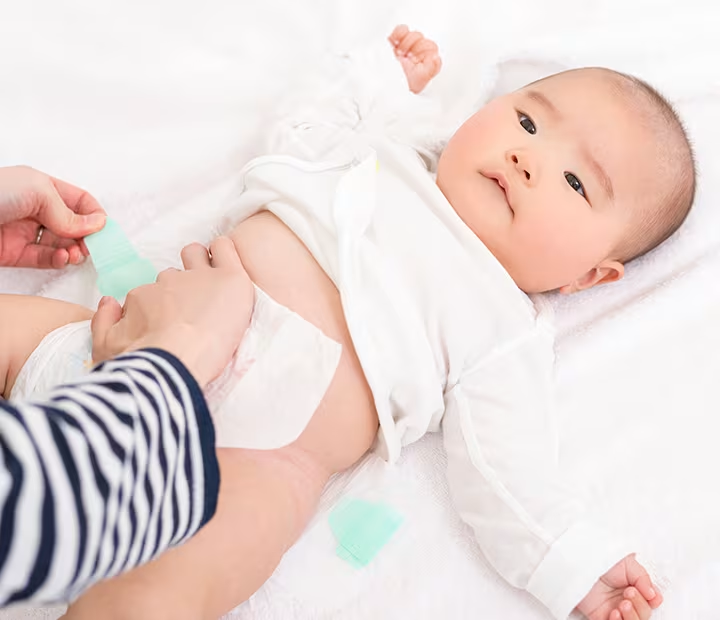
What is the right diaper size for your baby?
Not sure if your baby’s diaper fits quite right? From leaks to comfort, finding the right size makes all the difference! Take our quick quiz to discover the best diaper size for your little one and say goodbye to leaks. Let’s find that perfect fit!
Instant Results
Enjoyment Guaranteed
Personal Insights
Micro Preemie Diapers and Pampers Pxxs Sizing
If your baby was born very early or at a very low birth weight, even standard preemie diapers may feel too large at first. That’s why Pampers created Pxxs (Preemie Extra Extra Small) diapers for the tiniest babies receiving NICU care.
These specially designed micro preemie diapers are made for babies weighing as little as about 1 pound, 2 ounces (500 grams). They’re thoughtfully designed to help provide a secure, gentle fit during an especially delicate stage of development.
For many parents, seeing just how tiny these diapers are can feel emotional and overwhelming. But the right fit may help your baby stay more comfortable by reducing leaks, minimizing skin irritation, and making diaper changes easier.
Pampers Pxxs diapers are designed with features that may help support premature babies’ unique needs, including:
NICU teams carefully monitor preemie skin because premature babies have thinner, more sensitive skin barriers than full-term newborns. Helping keep skin clean and dry may help reduce irritation during frequent diaper changes.
As your baby grows stronger and gains weight, your NICU team or baby’s healthcare provider may recommend transitioning to larger preemie sizes and eventually newborn diapers.
NICU Diapering Essentials Checklist
If your baby is in the NICU, these diapering essentials may help make daily care a little easier:
✓ Properly sized preemie diapers ✓ Fragrance-free wipes approved by your NICU team ✓ Extra diapers for frequent changes and skin checks ✓ A notebook or app for tracking feedings and diaper changes, if recommended ✓ Questions for your baby's healthcare team about diaper fit and skin care.
How Long Do Babies Stay In Preemie Diapers?
There’s no set timeline for how long a baby will wear premature diapers. Some babies only need them for a short time, while others may stay in preemie sizes for several weeks.
Your baby’s growth, weight gain, and overall fit will help determine when it’s time to transition to the next diaper size. Premature babies often grow quickly during the first few weeks and months, especially after feeding is well established.
Instead of focusing only on age, it may help to pay attention to how the diaper fits your baby day to day.
Many parents find it reassuring to know that moving into larger diaper sizes is often a sign that their little one is growing and gaining strength.
Because preemies can outgrow sizes unexpectedly, you may want to avoid stocking up on too many diapers in one size at a time.
When to Size Up in Diapers?
As your baby grows, their diaper fit will change, too. So, how to know when to size up diapers? While every baby grows at their own pace, there are a few common signs that it may be time to move up to the next diaper size.
You may notice:
A properly fitting diaper should feel secure without looking overly tight or leaving deep marks on your baby’s skin. Discover more about when to size up diapers.
Your Step-by-Step Guide to Easier Diapering
Explore our downloadable diapering guide for practical tips and step-by-step support
Best Preemie Diapers
The best preemie diapers are the ones that fit your baby comfortably while helping keep their skin dry and protected.
When comparing preemie diapers, parents often look for:
Many NICU parents describe diaper changes as emotional in the beginning, especially when their baby is very small. Some parents share that finding a diaper that fits properly can help them feel more confident handling and caring for their baby during NICU stays.
Pampers Preemie Diapers: Our Best Options
Pampers Swaddlers Preemie diapers were redesigned with direct feedback from NICU professionals to help support premature babies during the earliest stages of care.
The Pampers Swaddlers Preemie Collection includes sizes P3, P2, and P1 for babies weighing less than about 6 pounds, including very small babies receiving NICU care.
These diapers are designed to help support both comfort and skin health while also helping reduce leaks and disruptions during care routines.
Pampers Swaddlers Preemie Collection
Features of the Pampers Preemie Collection include:
These diapers were designed to help support neurodevelopmentally sensitive care by helping babies stay comfortable and dry between diaper changes. Because preemies need plenty of sleep and rest to support their growth and development, it's common to have questions about newborn sleep habits. If you're caring for a preemie or newborn, you may also be wondering, how much sleep does a newborn need during those early weeks and months. This guide can help you better understand newborn sleep patterns and provide tips for supporting healthy sleep.
They are the #1 Choice of U.S. hospitals, nurses, NICU professionals and parents**
*vs. product replaced
**Hospital - based on hospital sales | Nurses and NICU professionals - based on a 2025 survey of U.S. nurses | Parents - based on retail sales
Discover more about Pampers Swaddlers for Preemies.
What to Look for in a Preemie Diaper
When shopping for preemie diapers, these features may help support your baby’s comfort and skin health:
For premature babies, a diaper that fits well and helps pull wetness away from the skin may help reduce irritation during the frequent diaper changes often needed in the NICU and at home.
Parents also ask...
How often should you change a preemie baby’s diaper? Premature babies typically need frequent diaper changes to help keep sensitive skin clean and dry. Your NICU team or baby’s healthcare provider may offer guidance based on your baby’s needs.
Are preemie diapers safe for sensitive or eczema-prone skin? Many preemie diapers are made with soft, hypoallergenic materials designed to help minimize irritation for delicate or sensitive skin.
Pampers Behind Every Preemie Initiative
Pampers supports families and healthcare professionals through initiatives focused on premature babies and NICU care.
The Pampers Behind Every Preemie initiative shares real stories from families, NICU nurses, and healthcare teams while helping raise awareness about the challenges and resilience of premature babies.
The initiative also highlights the importance of developmentally supportive care for preemies, including gentle handling, skin protection, comfort, and properly fitting diapers during NICU stays.
Behind every preemie is a story of strength, support, and small but meaningful milestones.
Many parents find comfort in hearing from other families who have experienced the NICU journey.
Learn more about our commitment at every milestone.
FAQS AT A GLANCE
Preemie diapers are designed for babies weighing less than about 6 pounds. Pampers offers preemie sizes P3, P2, and P1 for very small premature babies, including babies receiving NICU care.
The Bottom Line
Choosing the right preemie diapers may help your little one stay more comfortable during their earliest weeks. A secure fit, soft materials, and reliable absorbency can help reduce leaks and support delicate skin.
Because every baby grows differently, you may need to adjust diaper sizes more often than expected during the newborn stage. If you’re unsure about sizing or skin concerns, consult your baby’s healthcare provider or NICU team.
Pampers Swaddlers Preemie diapers are designed to provide softness, comfort, and protection for tiny babies while helping support sensitive skin.
As you stock up on diapers and wipes, don’t forget you can earn rewards along the way with the Pampers Rewards app.
Premature Baby Development Week-by-Week
By Christopher B. Peltier
Understand a preemie's development week-by-week, when they might reach certain milestones, and how to support their development.
Read more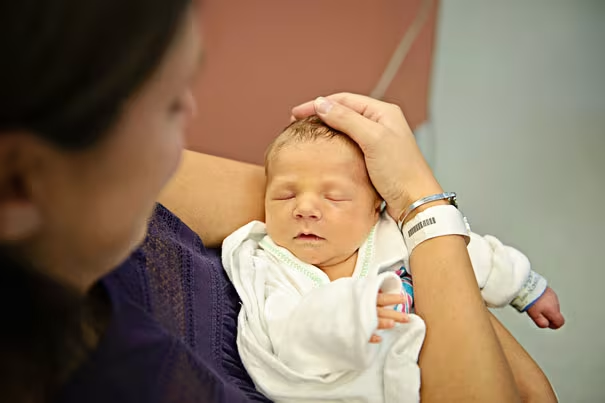
Premature Birth: Coping With Worry
The arrival of a premature baby may bring joy and worry, and this is completely normal. Read on to find out some tips on how to cope with the worry.
Read more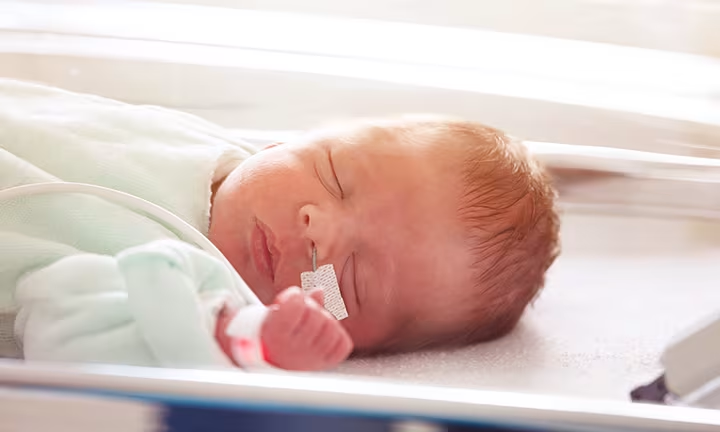
All About Preterm Birth and Your Preemie Baby
Learn the signs and risk factors of preterm labor and birth, the stages of premature birth, and the potential health needs of preemies.
Read moreCorrected Gestational Age
By Christopher B. Peltier
Using corrected gestational age helps you track a preterm baby’s development more accurately. Read on to learn how to calculate corrected age.
Read more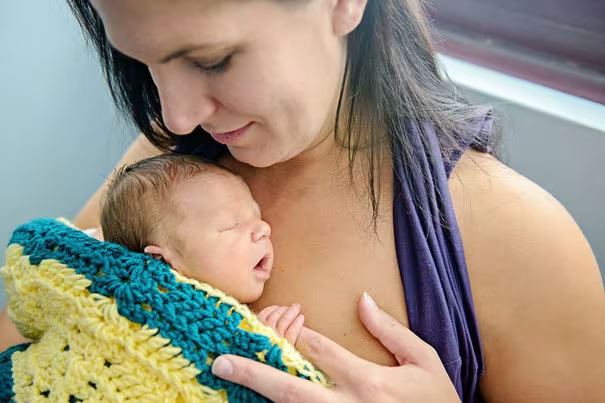
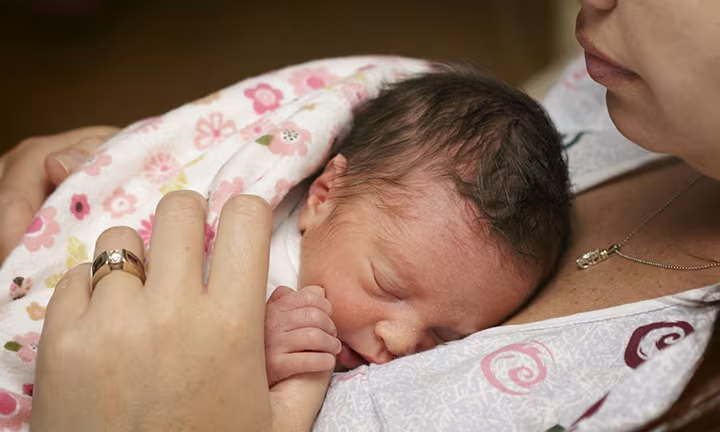
Benefits of Kangaroo Care for Preemies
Kangaroo Care can help premature babies in a number of ways. Learn what Kangaroo Care is, what the benefits are, and how you can safely practice it.
Read morePremature Baby Development Week-by-Week
By Christopher B. Peltier
Understand a preemie's development week-by-week, when they might reach certain milestones, and how to support their development.
Read morePremature Birth: Coping With Worry
The arrival of a premature baby may bring joy and worry, and this is completely normal. Read on to find out some tips on how to cope with the worry.
Read moreAll About Preterm Birth and Your Preemie Baby
Learn the signs and risk factors of preterm labor and birth, the stages of premature birth, and the potential health needs of preemies.
Read moreCorrected Gestational Age
By Christopher B. Peltier
Using corrected gestational age helps you track a preterm baby’s development more accurately. Read on to learn how to calculate corrected age.
Read moreBenefits of Kangaroo Care for Preemies
Kangaroo Care can help premature babies in a number of ways. Learn what Kangaroo Care is, what the benefits are, and how you can safely practice it.
Read morePremature Baby Development Week-by-Week
By Christopher B. Peltier
Understand a preemie's development week-by-week, when they might reach certain milestones, and how to support their development.
Read morePremature Birth: Coping With Worry
The arrival of a premature baby may bring joy and worry, and this is completely normal. Read on to find out some tips on how to cope with the worry.
Read moreAll About Preterm Birth and Your Preemie Baby
Learn the signs and risk factors of preterm labor and birth, the stages of premature birth, and the potential health needs of preemies.
Read more